2026 Best 3D Home Rendering Trends for Global Buyers?
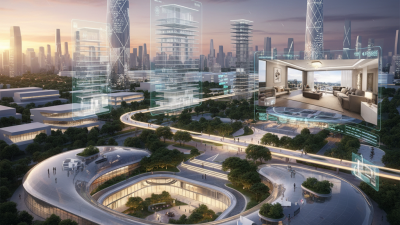
As we approach 2026, the realm of 3D home rendering is evolving rapidly. Industry reports indicate that the global market for architectural visualization is projected to reach $9 billion by 2025, fueled by advances in technology and rising consumer expectations. Buyers are increasingly seeking realistic and immersive visuals that enhance their home design experience.
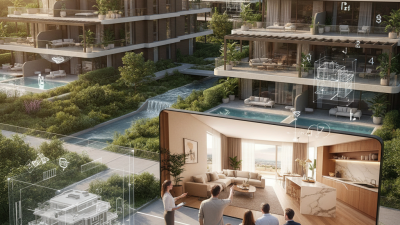
3D home rendering is not just about aesthetics; it plays a crucial role in decision-making for buyers. A study by the National Association of Realtors found that homes with high-quality visual presentations sell 32% faster. This underscores the importance of adopting the latest rendering trends to capture buyer interest effectively.
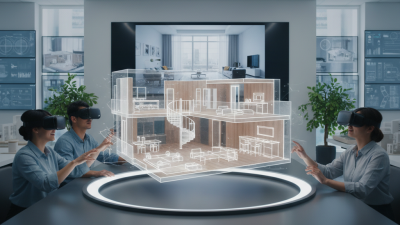
One emerging trend is the integration of virtual reality (VR) into 3D home rendering. This technology offers potential buyers an interactive experience, allowing them to walk through spaces before they are built. However, as techniques improve, some may overlook the design flaws that can arise during this process. It’s essential to remain vigilant about accuracy while embracing innovation.
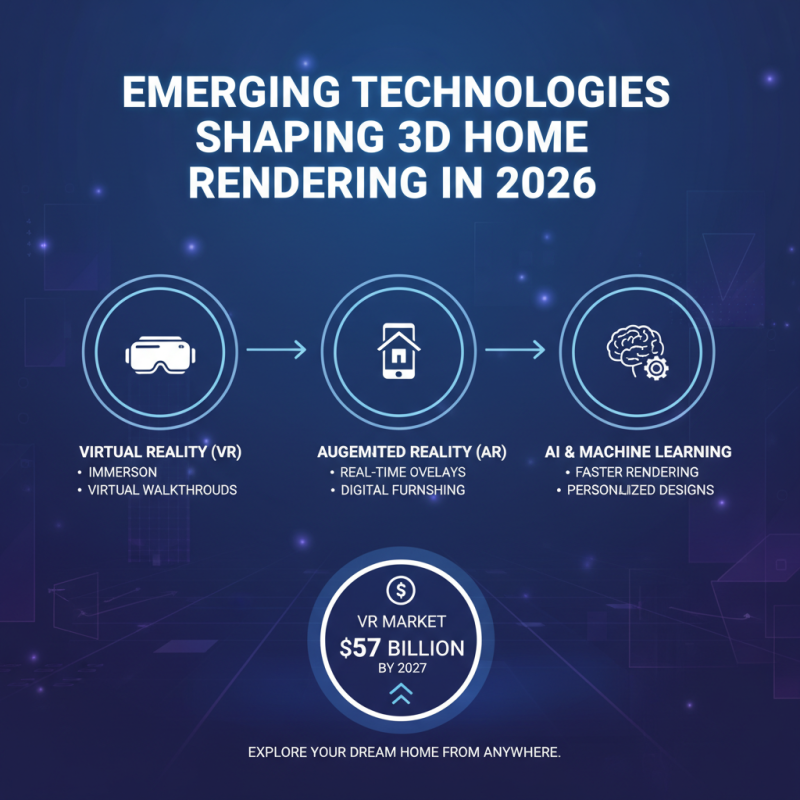
Emerging Technologies Shaping 3D Home Rendering in 2026
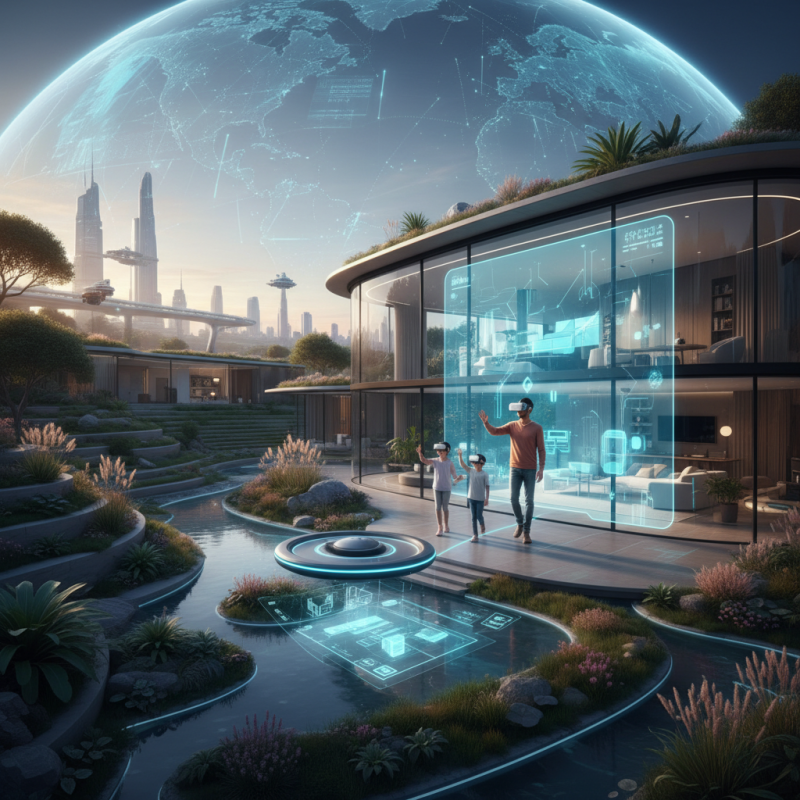
As we approach 2026, emerging technologies are radically transforming 3D home rendering. Virtual reality (VR) and augmented reality (AR) are taking center stage. According to the latest reports, the VR market is expected to reach $57 billion by 2027, showing a rapid adoption in real estate. Buyers can explore properties in immersive ways. Imagine walking through your dream home without leaving your couch.
AI is also reshaping the industry. Advanced algorithms can generate photorealistic images in minutes. This efficiency helps architects and designers bring concepts to life faster. However, reliance on AI might overlook personal touches that reflect individual styles. Creative intuition is irreplaceable.
Tips: Invest in training that integrates AI tools. This ensures team members maintain their creative edge amidst automation. Always balance technology with human insights.
Sustainability remains a crucial trend. Eco-friendly designs are becoming popular. Reports suggest that 75% of buyers prioritize energy-efficient homes. However, incorporating green materials can lead to higher costs, complicating budget management. Finding a balance between sustainability and affordability is essential.
Sustainability Trends Influencing 3D Home Renderings for Buyers
The push for sustainability is profoundly shaping the future of 3D home renderings. As global awareness of environmental issues increases, buyers are seeking homes that reflect eco-friendly choices. According to a recent report by Global Sustainability Insights, over 75% of homebuyers now prioritize energy-efficient designs. This trend is evident in 3D renderings, where features like solar panels and green roofs are becoming standard.
Renderings tend to showcase sustainable materials, like bamboo flooring and recycled glass. These designs not only appeal aesthetically but also promise lower environmental impact. Studies indicate that homes constructed with eco-friendly materials can improve energy efficiency by 30%. This shift highlights a growing appetite for homes that align with sustainable principles. However, not all renderings accurately represent these features. Some may exaggerate the benefits, leaving buyers misled. Reflecting on design honesty is crucial for the industry.
Tip: Engage with 3D artists who emphasize transparency in their renderings. Ask how they incorporate sustainability in their designs.
Integrating nature into designs is another significant trend. Indoor gardens and natural light are highly sought after. Buyers appreciate the connection to nature that holistic design offers. A report from Architectural Green Living states that homes with ample natural light can positively affect mental well-being. Yet, it's vital to be cautious. Some renderings might not deliver on their promises regarding light and space. This inconsistency necessitates clear communication between designers and clients to ensure realistic expectations.
Tip: Always request examples of previously completed projects. Understanding a designer’s style can save time and resources.
The Impact of Virtual Reality on 3D Home Rendering Experiences
Virtual reality (VR) is transforming the way buyers experience 3D home rendering. This technology allows clients to immerse themselves in realistic simulations of home designs. By wearing VR headsets, users can walk through spaces as if they were physically there. They can explore layouts, visualize furniture, and even change colors on the fly. This interactivity heightens engagement and helps in decision-making.
However, the integration of VR in 3D rendering is not without challenges. Many users may feel overwhelmed by too many options. A well-designed virtual environment should be intuitive. Overly complex interfaces can lead to frustration. Furthermore, not everyone adapts to VR easily. Some may experience discomfort or motion sickness. Understanding these limitations is crucial for designers aiming to enhance user experiences. Virtual reality is evolving, and so are the methods to make it more accessible and enjoyable for everyone.
Color Schemes and Textures: Visual Trends in 2026 Renderings
The year 2026 is shaping up to bring dynamic color schemes and textures to 3D home renderings. Rich jewel tones will dominate, with deep emerald, sapphire, and ruby hues expressing sophistication. These colors evoke emotions and create inviting atmospheres. Using such bold tones allows for strong visual statements, yet it poses challenges in achieving balance. Too much intensity can overwhelm a space, requiring careful consideration.
Textures will also play a crucial role in 2026. We can expect to see a mix of matte and glossy finishes, introducing depth and interest. Matte finishes can ground a design, while glossy elements catch the light, drawing the eye. However, the challenge lies in harmonizing these textures. An overly shiny surface can clash with soft fabrics, leading to visual chaos. Striking the right balance is key.
Natural materials, such as wood and stone, will remain popular. They provide warmth and an organic touch. However, they also bring complexity. Different wood grains and stone types may clash if not thoughtfully combined. Designers will need to reflect on choices, ensuring materials complement rather than compete. The goal is creating an environment that feels cohesive and lived-in.
2026 Best 3D Home Rendering Trends for Global Buyers
| Trend |
Description |
Color Schemes |
Textures |
| Minimalist Aesthetics |
Focus on simplicity and functionality with clean lines. |
Soft whites, light grays, and earth tones. |
Matte finishes and smooth textures. |
| Nature-Inspired |
Integrating elements that reflect the natural world. |
Greens, browns, and natural hues. |
Wood grains and stone textures. |
| Industrial Design |
Raw materials and exposed structures characterize this trend. |
Dark colors with metallic accents. |
Rough surfaces and brick patterns. |
| Bold Statement Pieces |
Focus on individual items that act as focal points. |
Vibrant jewel tones and contrasting colors. |
Sculptural and artistic textures. |
| Smart Home Integration |
Trend towards tech-savvy living spaces. |
Neutral palettes with tech accents. |
Sleek and smooth finishes. |
Integration of Augmented Reality in Home Design Visualization
Augmented Reality (AR) is transforming home design visualization. It allows buyers to immerse themselves in a digital space. This technology creates realistic 3D models. Buyers can view homes as if they were physically present, enhancing the decision-making process.
AR bridges the gap between imagination and reality. Homebuyers can visualize changes like paint colors or furniture arrangement instantly. This interaction can lead to more informed buying choices. However, some users may find the technology overwhelming. Too many options can create confusion. It’s important to remain focused on what truly matters.
Tips for using AR effectively include starting with simple designs. Experiment with one or two key changes. Monitor how these adjustments change the space. Take time to evaluate the virtual designs before finalizing any decisions. Remember, AR is a tool meant to assist, not complicate. Embrace the possibilities, but do not lose sight of your original vision.