

3D Floor Plan Design Tips to Create Stunning Spaces?
In the ever-evolving world of architecture and interior design, "3D Floor Plan Design" stands out as a powerful tool. Jack Stevens, a renowned expert in this field, once stated, “Great designs begin with a clear vision of the space.” This vision is critical when creating stunning layouts that cater to diverse needs.
Creating a 3D floor plan is not just about aesthetics. It involves understanding the flow and functionality of spaces. Effective design requires attention to detail. For instance, accurate dimensions and realistic furniture placements can make or break a project. Many designers often overlook these elements, leading to confusion and dissatisfaction.
Reflecting on one’s designs is vital. A stunning 3D floor plan should not only please the eye but also enhance the user experience. Comparing initial drafts with the final product reveals areas for improvement. Mistakes can teach valuable lessons and refine design skills, making future projects even better. Embracing this iterative approach leads to spaces that truly resonate with users.
Understanding the Basics of 3D Floor Plan Design
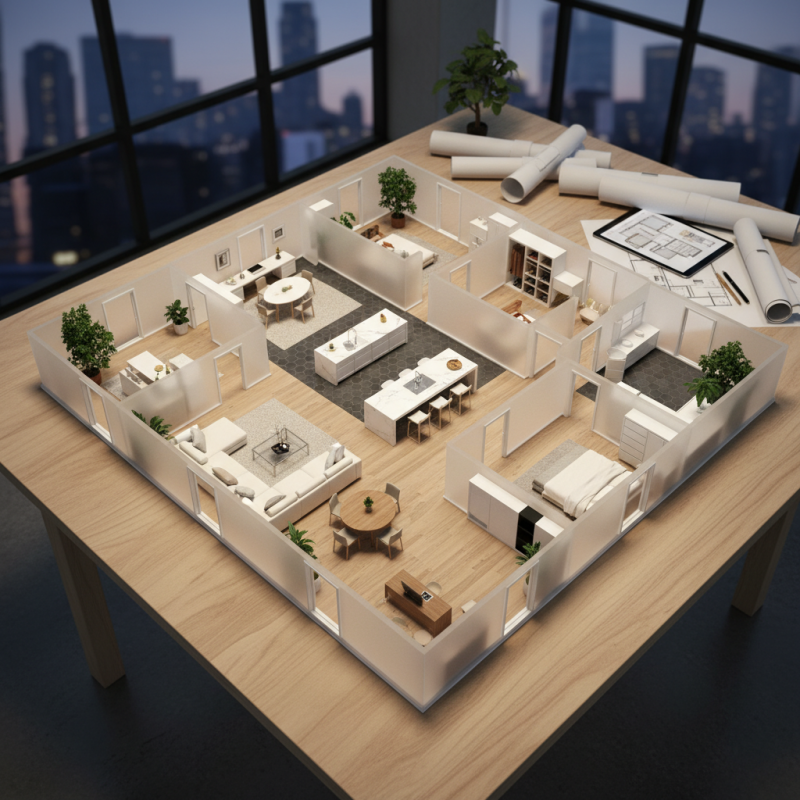
Creating a 3D floor plan requires an understanding of space and function. Start by sketching your ideas on paper. This simple step helps visualize the layout. Think about room sizes and their relationships. Do you want an open space or defined areas? Balance is crucial.
When transitioning from 2D to 3D, consider details. Colors, textures, and furniture types matter. A bright kitchen feels welcoming. A dark living room might seem cozy but could also feel cramped. Be careful with scale. Sometimes, the furniture looks oversized in the 3D model.
Embrace imperfections; they're part of the design journey. Experimenting with different layouts can lead to unexpected results. Don’t be afraid to make changes. Sometimes, a slight shift in a wall can enhance flow. Reflecting on these details leads to a better understanding of effective design principles.
Choosing the Right Software for 3D Floor Plans
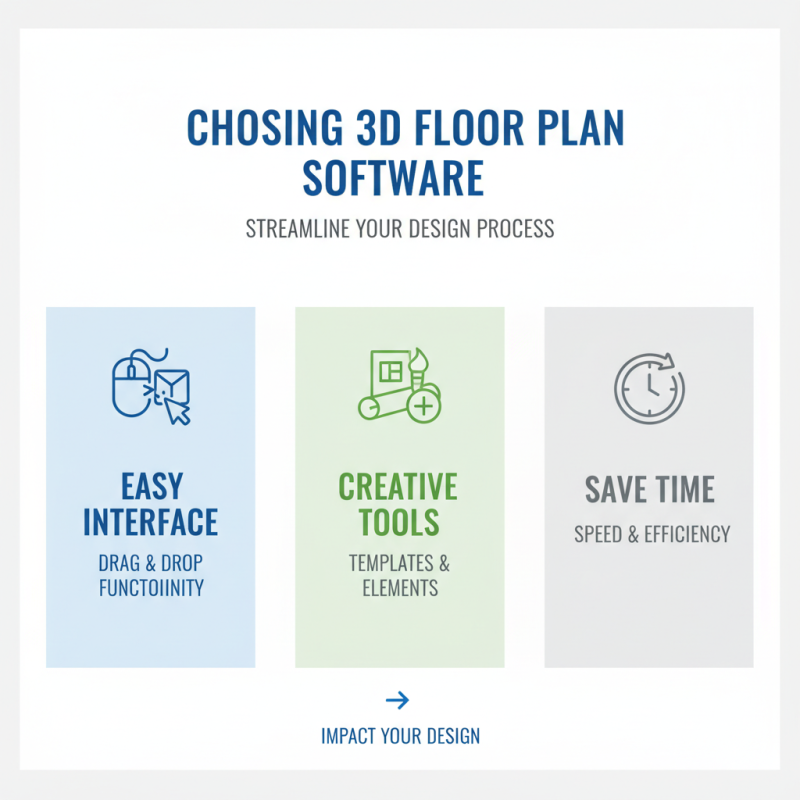
Choosing the right software for 3D floor plans can significantly impact your design process. A user-friendly interface is essential. It should allow for drag-and-drop functionality. Look for software that offers various templates and design elements. This can spark creativity and save time.
Consider the features that matter most to you. For instance, some software offers realistic lighting effects. Others focus on ease of sharing designs with clients. You might find certain programs lacking essential features. It’s okay to experiment and find what truly fits your needs.
Keep in mind the learning curve with new software. Don’t get discouraged if it feels complicated at first. Take time to explore tutorials and guides. Sometimes the most frustrating tools can lead to the best outcomes, if you persist. Seek feedback from peers or mentors, but remember that design is subjective. Embrace the imperfections and let them inspire you.
Key Elements to Consider in Your Floor Plan Layout
When designing a 3D floor plan, several key elements demand attention. Space efficiency is paramount. Maximize usable areas to create inviting environments. Consider flow; how people will move through each room. A cramped layout can lead to frustration. Analyze the placement of furniture carefully. Overcrowding is a common mistake. Leave room for movement.
Natural light plays a critical role. Rooms bathed in sunlight feel larger and more welcoming. Position windows to capture the best views. Don’t shy away from experimenting. Sometimes an unconventional layout yields surprising results. Think about the purpose of each space. What emotions should it evoke?
Incorporate personal touches. Artwork and decor reflect your style. However, too much can distract from the overall design. Balance is key. Take a step back and evaluate your plan. Is it functional? Are there areas that feel off? Continuous reflection can help refine your design into a stunning masterpiece.
3D Floor Plan Design - Key Elements to Consider in Your Layout
Incorporating Color and Texture for Visual Appeal
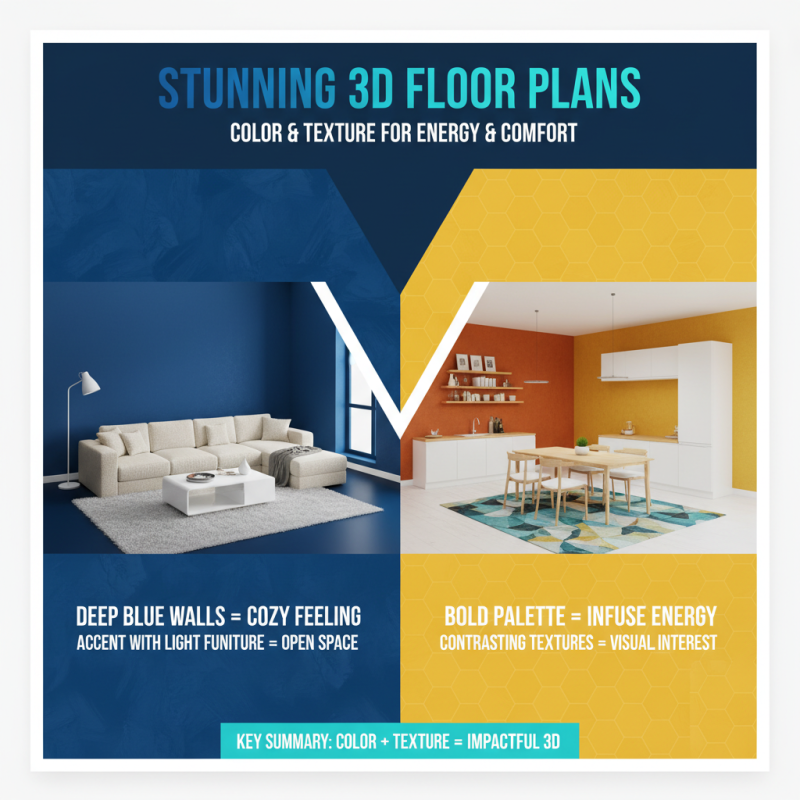
Incorporating color and texture is essential for stunning 3D floor plans. Use a bold color palette to infuse energy into a space. For example, deep blue walls can create a cozy feeling. Accent that with lighter colored furniture to keep the room looking open.
Adding different textures enhances visual appeal. Mix smooth surfaces with rougher elements. A sleek glass coffee table can contrast with a knit throw. Think about how materials interact. Maybe the soft fabric of a couch can balance a hard wooden floor.
Don’t shy away from experimenting, but avoid overwhelming choices. Sometimes, too much color creates chaos. Choosing a few main colors can lead to harmony. Just remember, it’s okay if things don’t always match perfectly. It’s in these moments of imperfection that a unique style shines through.
Tips for Optimizing Space and Functionality in 3D Designs
When designing a 3D floor plan, space optimization is key. Think about how each area will be used. Consider multifunctional furniture. A sofa bed can save room and provide extra sleeping space. Use walls wisely. Built-in shelves or cabinets can help in maximizing vertical space. Every inch counts, especially in smaller homes.
Lighting plays a significant role. Natural light can make a space feel larger. Position windows strategically to bring in light. Artificial lighting is also important. Layered lighting creates depth. Remember to keep pathways clear. Clutter can make even a big room feel cramped. Evaluate furniture arrangements regularly. You might find better layouts over time.
Identifying focal points adds character. Maybe it’s an artwork or a unique furniture piece. But don’t overcrowd the space. Breathing room is vital. Each element should have a purpose. This helps avoid a chaotic atmosphere. Balance is crucial. A well-designed 3D floor plan reflects functionality and beauty, but it takes time and reflection to achieve it.
3D Floor Plan Design Tips to Create Stunning Spaces
| Design Tip | Description | Functionality Aspect | Space Optimization Techniques |
|---|---|---|---|
| Use Multi-Functional Furniture | Incorporate furniture that serves multiple purposes, like a sofa bed. | Increases utility and saves space. | Choose foldable or stackable designs. |
| Plan for Flow and Accessibility | Ensure easy movement throughout the space with an open layout. | Makes spaces feel larger and more inviting. | Avoid clutter and maintain clear pathways. |
| Incorporate Vertical Space | Utilize walls for storage and decor to enhance aesthetics. | Maximizes storage without occupying floor space. | Use wall shelves and tall cabinets. |
| Utilize 3D Visualization Tools | Model your space in 3D to better visualize arrangements. | Assists in planning for optimal functionality. | Experiment with layouts before execution. |
| Color and Lighting Considerations | Choose colors and lighting that enhance perception of space. | Creates a welcoming and spacious atmosphere. | Use light colors and reflectors to bounce light. |
Related Posts
-
Envisioning Tomorrow: How 3D Floor Plan Design is Redefining Global Real Estate
-

Unlocking the Future of Design with 3D Home Rendering Technology
-
10 Best Exterior Rendering Techniques for Stunning Architectural Designs
-

Transform Your Space: The Impact of 3D Floor Plan Design on Property Value and Buyer Engagement
-

10 Tips to Enhance Your 3D House Rendering for Increased Client Engagement
-

10 Best Architectural Animation Techniques for Stunning Visuals