3D Floor Plan Design Tips for Creating Stunning Visual Spaces?
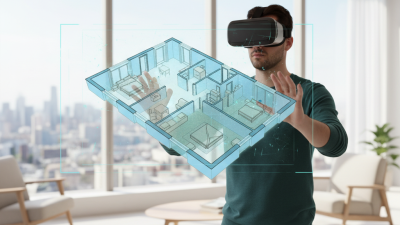
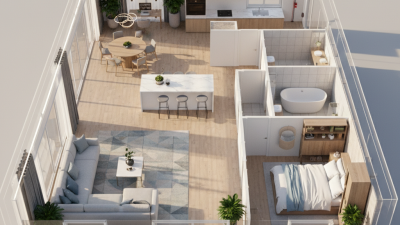
Creating visually captivating spaces is a challenge many design enthusiasts face. Understanding the principles of 3D Floor Plan Design is essential. This innovative approach allows you to visualize how a space will look and feel. It bridges the gap between imagination and reality.
Incorporating 3D Floor Plan Design can transform an ordinary layout into an extraordinary experience. Designers can experiment with colors, textures, and arrangements. However, it is vital to balance creativity with functionality. Sometimes, too many ideas can clutter the design process.
The right 3D Floor Plan Design can enhance flow and connectivity in a space. It encourages thoughtful planning and consideration of how people will use the area. Remember, not every design will work perfectly. Reflecting on past designs can provide valuable insights. Embrace the learning process and strive for improvement in each project.
Understanding the Basics of 3D Floor Plan Design
3D floor plan design is an exciting field that blends creativity and functionality. Understanding the basics is crucial for anyone looking to create impressive visual spaces. A successful 3D floor plan must begin with accurate measurements and proportions. Misjudged dimensions can lead to awkward layouts. Always double-check the space you are working with.
Visualizing the layout requires a clear perspective. Use 3D modeling software to create a lifelike representation. Lighting and color schemes play a significant role in enhancing the mood. Consider experimenting with different palettes, but keep in mind that contrasting elements can sometimes clash. Take time to reflect on what works best.
When arranging furniture, aim for a balanced distribution. Avoid overcrowding any area; less can be more. Open spaces can provide a sense of freedom, yet empty spots can feel neglected. It’s a delicate balance. Experiment with various arrangements and be willing to adjust as needed. Creating a stunning visual space is an iterative process that thrives on feedback and reflection.
Choosing the Right Software for 3D Floor Plans
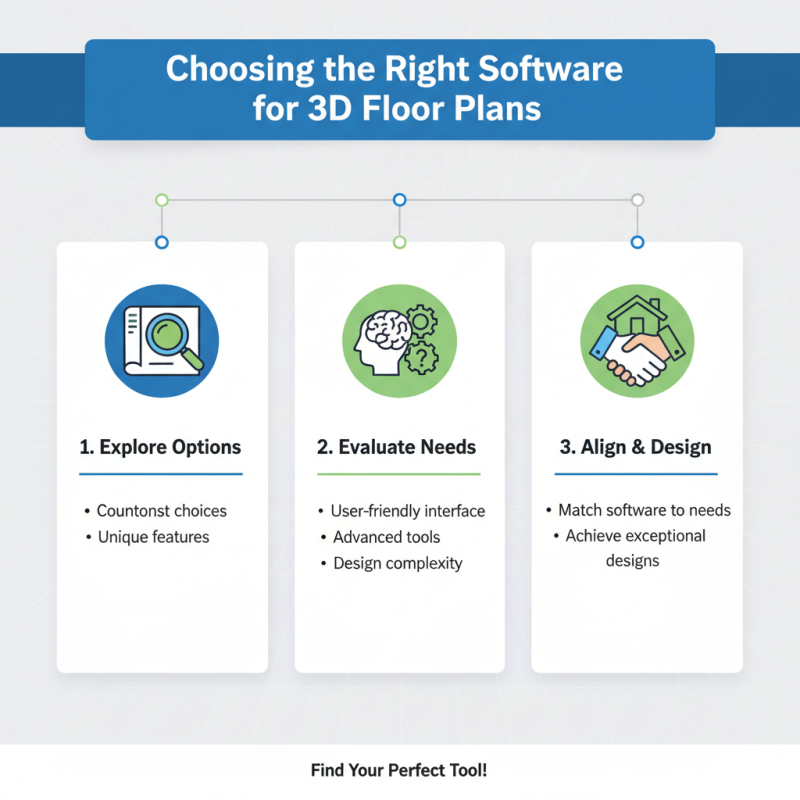
When creating 3D floor plans, selecting the right software is crucial for achieving exceptional designs. There are countless options available, each offering unique features. Some focus on user-friendly interfaces while others cater to advanced users with complex tools. Exploring different software is essential to find one that aligns with your design needs.
Consider software that supports realistic rendering. This feature enhances the visual appeal of your plans. Interactivity is another key aspect to look for. Imagine being able to navigate through your space in real-time. It makes your designs more engaging and helps clients visualize their future spaces clearly. However, not all software excels in both rendering and interactivity, so careful evaluation is necessary.
Budget is also a significant factor. High-end software may come with a steep price but might offer features that justify the cost. On the other hand, free or lower-cost options may lack essential tools, leading to limitations in your design process. Balance your needs against your budget, and don't hesitate to read user reviews. This will give you a sense of the software's reliability and performance from those who have been in your shoes.
Key Elements of Aesthetic Appeal in 3D Floor Designs
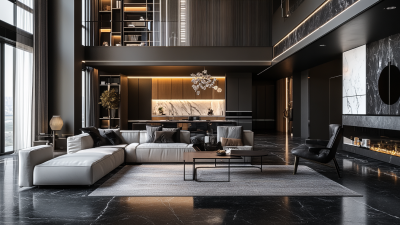
Creating a captivating 3D floor plan requires understanding the key elements of aesthetic appeal. Color selection plays a vital role. Choose a palette that resonates with your design goals. Soft, neutral tones can create a serene environment. On the other hand, vibrant colors can energize a space. Ensure colors harmonize with one another.
Textures matter significantly as well. Combining different materials can add depth. Treat your surfaces thoughtfully; a matte finish can contrast well with glossy features. When using textures, balance is crucial. Too many competing elements can lead to chaos. Aim for a cohesive look that draws the eye.
Tip: Always keep function in mind while designing. A beautiful layout should also be practical. Consider the flow of movement between spaces. Additionally, think about the purpose of each area. Each room should serve its intended function without compromising on style. It's essential to rethink what’s working and what isn’t. Observing user interactions can provide crucial insights for improvements.
3D Floor Plan Design Tips for Creating Stunning Visual Spaces
| Design Element |
Description |
Tips for Implementation |
| Scale and Proportion |
Ensure elements are proportionate to the space to create a balanced look. |
Use scaled models or software to visualize real-world sizes. |
| Color Scheme |
The right combination of colors can evoke different emotions and set the room's mood. |
Choose a palette that reflects the purpose of the room, using either complementary or contrasting colors. |
| Natural Light |
Utilizing windows and open spaces for natural light can enhance aesthetics. |
Plan window placements strategically to maximize light entry. |
| Furniture Arrangement |
Arranging furniture to create easy movement flows can enhance usability. |
Use 3D software for experimenting with different layouts without moving physical pieces. |
| Textural Contrast |
Combining various textures can add depth and interest to spaces. |
Incorporate textiles, wall finishes, and furniture materials that complement each other. |
| Functionality |
Ensure the design meets the practical needs of the inhabitants. |
Gather input from users to inform design choices that enhance usability. |
Tips for Optimizing Space Efficiency in Your Floor Plans
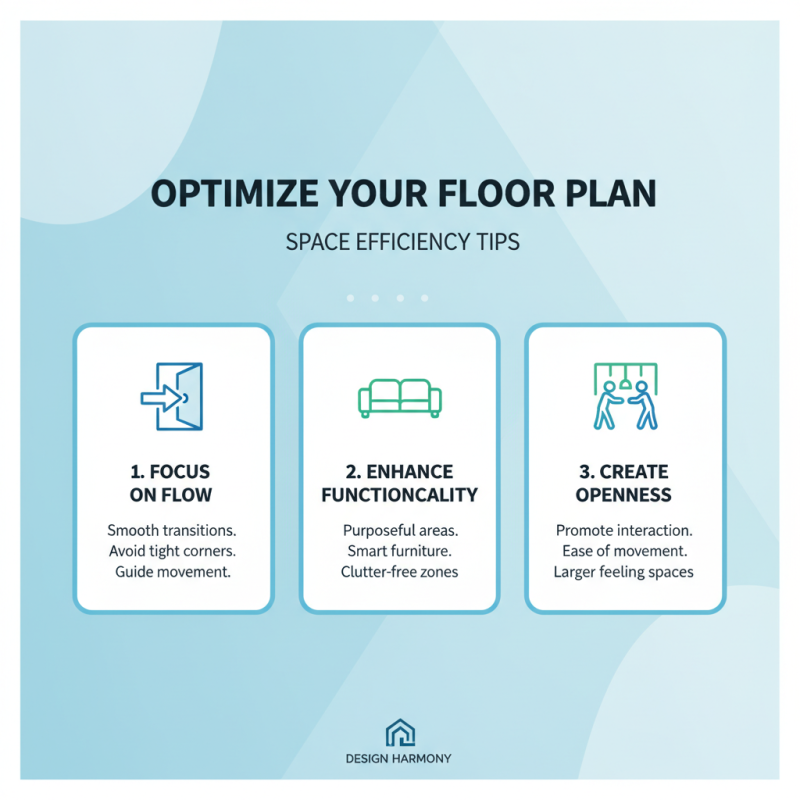
Creating an efficient 3D floor plan can transform your space dramatically. When designing, focus on flow and functionality. Consider how people will move through the space. Tight corners can create discomfort. Open areas promote interaction and ease of movement.
Utilizing multi-functional furniture is a game changer. A bed with storage underneath or a foldable desk maximizes utility. When space is limited, think vertically. Shelves can draw the eye upward, creating the illusion of height. Use curtains or room dividers to define areas without closing them in. This maintains an open feel.
Lighting plays a crucial role, too. Natural light enhances mood and perception of space. Large windows or skylights are ideal, but if that’s not possible, light fixtures should be strategically placed. Dimmer switches can also help adjust the ambiance based on need. Take time to assess your layout regularly. Mistakes in spacing become more evident as you use the space. Adapting and refining your design based on actual usage is key to achieving that stunning visual space.
Incorporating Lighting and Textures for Enhanced Visualization
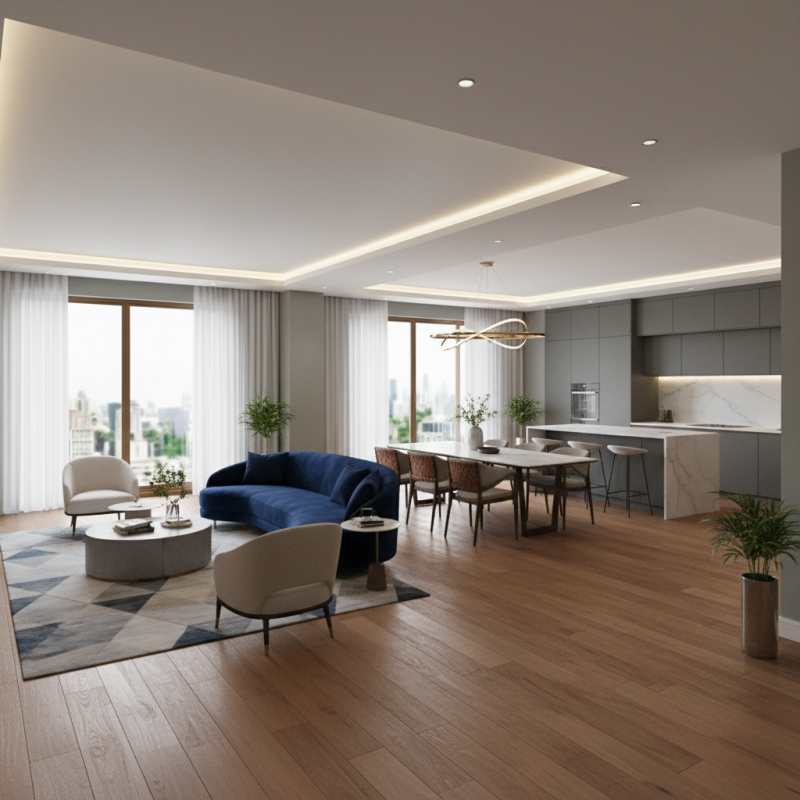
When designing 3D floor plans, lighting and texture play crucial roles in visual appeal. According to a report by the American Society of Interior Designers, proper lighting can improve home value by up to 15%. Different light sources can create distinct moods. Soft, warm light can make spaces feel inviting, while bright, cool light can energize areas. Choosing the right lighting strategy can highlight and enhance architectural features.
Textures add depth and richness to your designs. A study from the National Interior Design Institute highlights that spaces with varied textures feel more dynamic and engaging. Consider incorporating materials like wood, metal, and fabric in your visuals. Each texture brings its unique character, influencing how spaces are perceived. Sometimes, though, mixing too many textures can lead to confusion, detracting from the overall design.
Incorporating both lighting and texture is a balancing act. Too much contrast can be overwhelming. However, when done correctly, these elements can transform a 3D floor plan into a stunning visualization. Evaluating how these elements interact is essential for achieving a cohesive look that resonates with viewers.
3D Floor Plan Design Tips: Importance of Lighting and Textures