Why is 3D Render Essential for Modern Visual Communication?
In today’s fast-paced digital landscape, effective communication is more crucial than ever. The rise of 3D render technology plays a significant role in shaping modern visual communication. Brands and designers increasingly rely on 3D render to convey ideas and stories vividly and engagingly. This technology brings static images to life, creating a sense of realism that captivates audiences.
3D render enhances product visualization, giving customers a clear picture of what they can expect. This level of detail and clarity builds trust and can significantly impact purchasing decisions. However, not all renders are created equal. Poorly executed 3D visuals can misrepresent products or fail to capture the desired emotion. This calls into question the importance of selecting skilled professionals for rendering projects.
Additionally, integrating 3D render into marketing strategies requires thoughtful consideration. Companies must ensure that the visuals align with their brand identity. Balancing creativity with authenticity remains a challenge. Overemphasis on aesthetics can sometimes lead to a disconnect with the audience. Thus, while 3D render is vital, it must be executed with care and purpose.
The Role of 3D Rendering in Visual Communication
3D rendering has transformed visual communication in recent years. The technology allows designers to create lifelike images that convey messages clearly. According to a report from MarketsandMarkets, the global 3D rendering market is projected to reach $2.2 billion by 2025, growing at a rate of over 25% annually. This growth highlights the increasing reliance on 3D visuals across various industries.
Businesses utilize 3D rendering to engage customers effectively. Studies show that content with 3D elements can improve user engagement by up to 40%. The immersive experience offered by 3D visuals connects with audiences on an emotional level. However, the high cost and time required for high-quality rendering can be barriers.
Balancing quality and efficiency is essential for success.
Moreover, 3D rendering can sometimes lead to unrealistic expectations. Clients may expect perfect representations, which can lead to disappointment if real-world results differ. This requires careful management of client expectations and clear communication throughout the creative process. A missed detail can diminish trust. Overall, while challenges exist, the importance of 3D rendering in visual communication cannot be overstated.
Understanding the Basics of 3D Rendering Technology
3D rendering is transforming visual communication. This technology allows creators to produce stunning images that capture attention. By using software and hardware innovations, artists create lifelike representations of objects and scenes. The technique goes beyond mere graphics; it invokes emotions and tells stories. A vivid 3D model can engage viewers in a way flat images cannot.
Understanding 3D rendering involves grasping its core components. Mesh modeling, texturing, and lighting are fundamental. Artists build a virtual model, apply textures, and set the lighting conditions. This process requires patience and skill. Many struggle with achieving realistic effects. Mistakes in detail can lead to unrealistic visuals. Even professionals need to refine their techniques continually.
Users of 3D rendering face challenges, too. Not every project meets the expectations. Some designs may lack the required depth. Others might feel flat despite intricate details. Constant feedback is crucial. It is important to analyze each piece critically, seeking improvement. The journey of mastering 3D rendering is ongoing, filled with exploration and learning.
3D Rendering Usage in Various Industries (2023)
Advantages of 3D Rendering in Marketing and Advertising
3D rendering has transformed marketing and advertising. It creates immersive experiences that engage consumers effectively. According to a report by Adobe, visuals are processed 60,000 times faster than text. This speed enhances user experience, making 3D renderings vital in campaigns.
One major advantage of 3D rendering is its versatility. Businesses can visualize products in different environments. A study found that 70% of consumers feel more connected to brands using 3D imagery. This connection can lead to increased sales and brand loyalty. However, creating high-quality renders can be time-consuming and expensive, posing challenges for smaller companies.
Tips: Use 3D renderings to showcase product features. This can help consumers understand more about what they are purchasing. Ensure that your visuals are simple yet informative. Sometimes, less is more. Focus on clarity to avoid overwhelming your audience. Combining 3D with strong branding can yield impressive results.
The Impact of 3D Visualization on User Engagement
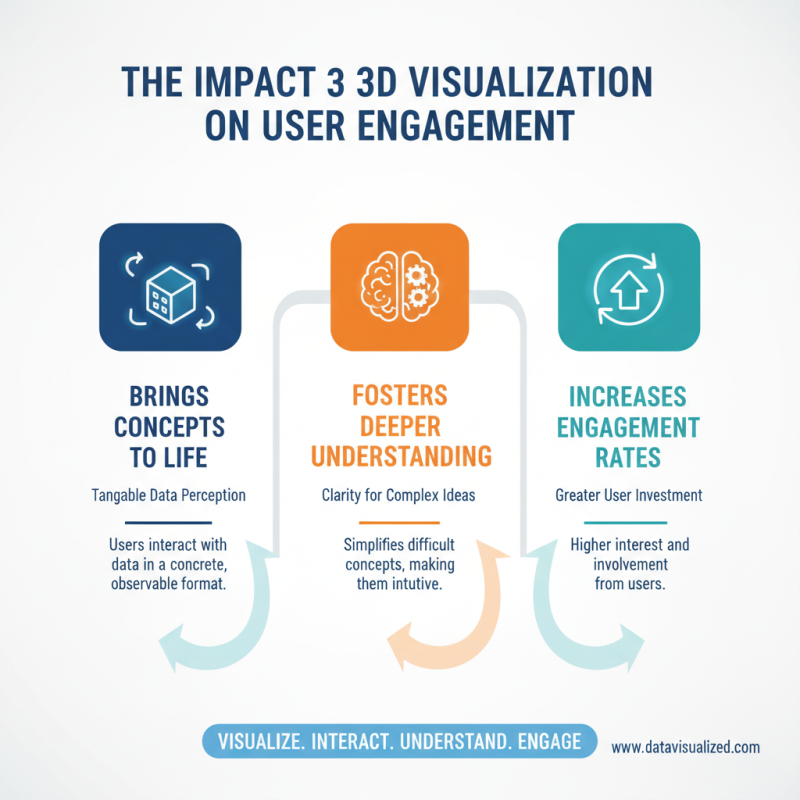
3D visualization has transformed the way we engage with information. It brings concepts to life, allowing users to perceive data in a tangible format. This format encourages deeper interaction and understanding. Complex ideas become clearer, fostering higher engagement rates. Users find themselves more invested when they can visualize the elements involved.
Tips: When using 3D rendering, focus on clarity. Avoid cluttering visuals with excessive detail. Highlight key features that matter most to your audience. Simplifying your design can lead to more effective communication.
Furthermore, 3D images cater to various learning styles. People absorb information differently. Visual learners benefit immensely from engaging models. They can rotate, zoom, and explore these models, leading to a more immersive experience. This tactile interaction can make dry data memorable.
Tips: Always test your designs with real users. Their feedback can uncover unexpected issues. Iterating based on this can enhance the final output significantly. Remember, perfection is elusive. Constant improvement is key in visual communication.
Future Trends in 3D Rendering for Visual Communication
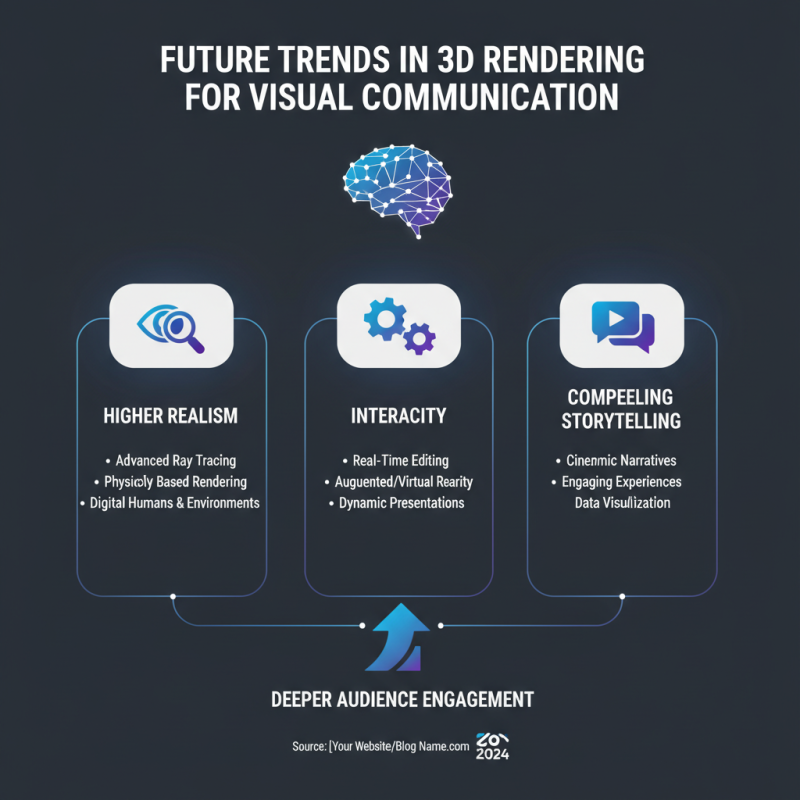
The future of 3D rendering in visual communication is incredibly promising. As technology advances, we see a shift towards higher realism and interactivity. 3D renders are no longer static images; they need to engage audiences deeply. Tools now allow for real-time editing. This leads to dynamic presentations and more compelling storytelling.
Although trends show progress, there are challenges. The demand for higher quality can lead to longer production times. Balancing speed and quality may require careful consideration. Additionally, with the rise of virtual reality and augmented reality, 3D rendering must adapt. It's not just about creating stunning visuals anymore. The focus should also be on creating immersive experiences that captivate users.
Sustainability in 3D rendering should also be on our minds. As we push for technological advancements, we must consider the environmental impact. Some processes are energy-intensive. Finding eco-friendly solutions is essential. These factors will shape the future of visual communication in the 3D realm. Engaging the audience while being responsible remains a complex challenge.