What is Architectural Animation and How Can It Benefit Your Project?
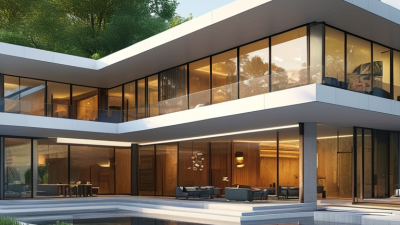
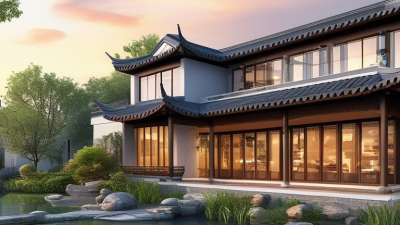
Architectural Animation is transforming the way we visualize spaces. Leading expert in the field, John Smith, emphasizes, "Architectural Animation breathes life into static designs." This innovative technique allows architects and clients to experience a project before it is built.
With detailed visuals, Architectural Animation creates immersive experiences. Clients can explore design elements in a compelling way. This helps in decision-making and identifying potential issues early on. The blend of art and technology fosters creativity but also raises questions about realism versus expectation.
However, not every project benefits equally from Architectural Animation. Complex designs sometimes lead to misleading representations. It’s essential to balance creativity and clarity. Understanding both strengths and limitations is key for successful implementation. With thoughtful consideration, Architectural Animation can elevate project outcomes to new heights.
What is Architectural Animation?
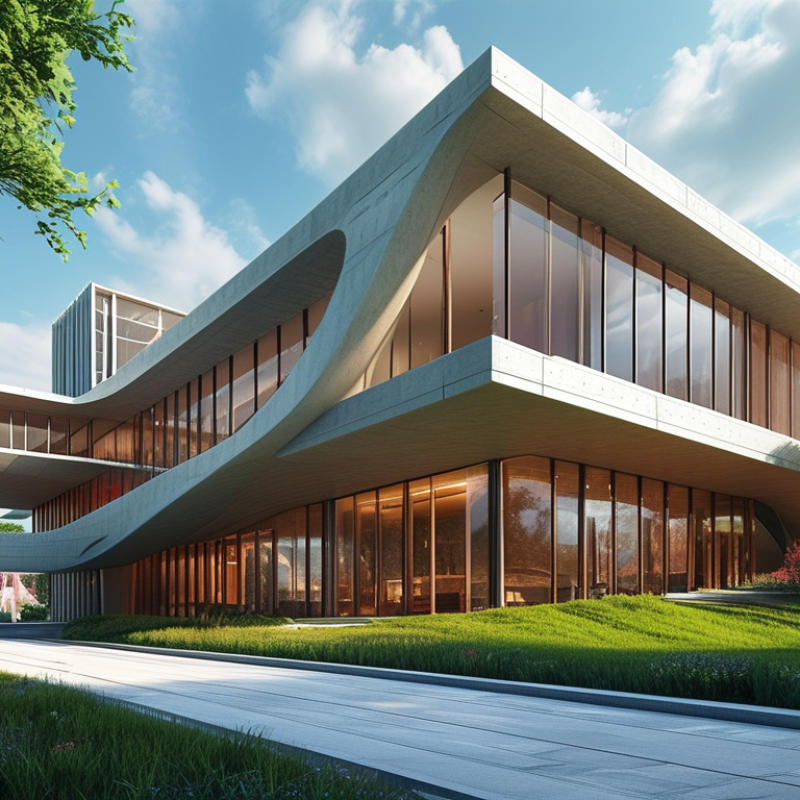
Architectural animation is a powerful tool in visualizing design concepts. It transforms static images into dynamic, immersive experiences. This technology helps stakeholders understand the spatial relationships in a project. A well-crafted animation can showcase the flow of light, textures, and materials effectively. It clearly communicates the vision, bridging the gap between imagination and reality.
By offering a virtual tour, architectural animation allows for feedback before construction begins. Viewers can experience the design from various angles, highlighting potential issues. However, the process can highlight limitations. Sometimes, animations fail to capture the minute details of a structure. This can lead to misunderstandings about the final outcome. Understanding these challenges is crucial for maximizing the benefits of architectural animation.
Creating architectural animations requires collaboration and expertise. Designers must work closely with animators. This partnership ensures the animation aligns with the project’s goals. Relying on visual storytelling can adjust perceptions swiftly. Yet, it is essential to approach the animations critically, reflecting on what could be improved. This ongoing evaluation helps refine future projects and achieves greater success.
Benefits of Architectural Animation
Key Techniques Used in Architectural Animation
Architectural animation uses advanced techniques to bring design concepts to life. It combines 3D modeling, rendering, and motion to create immersive visual experiences. These methods allow stakeholders to visualize projects before construction begins.
Key techniques include 3D modeling, which creates digital representations of buildings. Artists often refine these models to ensure accuracy. Texturing adds realism, giving surfaces a detailed appearance. Lighting plays a crucial role, simulating natural effects. Motion graphics can highlight specific features, guiding viewers through spaces.
Collaboration is vital in this process. Input from architects and engineers can enhance the animation's accuracy. However, challenges arise. Miscommunication can lead to misrepresentations. Additionally, intricate designs may require extensive rendering time. Finding a balance between detail and efficiency is often a complex task.
Benefits of Architectural Animation for Design Projects
Architectural animation plays a pivotal role in modern design projects. It breathes life into static images. This dynamic medium allows architects to visualize their concepts. A walkthrough helps clients experience a space before it's built. Such immersive presentations can reveal design flaws early on. Seeing a project in motion may prompt critical discussions. Clients can better express their preferences when they see animations.
The benefits of architectural animation extend beyond aesthetics. It enhances communication between stakeholders. Visualizing design choices can unify teams and clients. Animations spark feedback, ensuring everyone is on the same page. This clarity can save time and cost. It also can increase engagement. A well-crafted animation captures attention and keeps interest alive. Yet, creating an impactful animation isn’t straightforward. Balancing detail with clarity is challenging. It's easy to overwhelm viewers with too much information. Reflecting on these challenges can lead to improved designs.
What is Architectural Animation and How Can It Benefit Your Project? - Benefits of Architectural Animation for Design Projects
| Dimension |
Description |
Benefits |
| Visual Clarity |
Provides a clear and detailed visualization of the project. |
Helps clients grasp the design intent easily. |
| Enhanced Communication |
Facilitates discussions among stakeholders through visual aids. |
Reduces misunderstandings in project specifications. |
| Marketing Edge |
Offers an engaging way to showcase designs to potential clients. |
Attracts more interest in the project. |
| Design Iteration |
Easily adaptable for showing different design variations. |
Allows for quick refinement and feedback integration. |
| Time Efficiency |
Speeds up the design review process by providing an immediate overview. |
Saves time in presentations and approval processes. |
| Immersive Experience |
Creates a virtual walkthrough of the space. |
Enhances user engagement and emotional connection. |
Comparing Architectural Animation with Traditional Renderings
Architectural animation offers a dynamic alternative to traditional renderings. While renderings provide static images, animations can showcase a full narrative of a design. This allows viewers to experience the space as if they are walking through it. The movement brings depth to architectural visualization, highlighting features that static images may overlook. For instance, shadows shift, colors change, and materials reflect light differently over time.
However, traditional renderings still hold value. They can convey specific details clearly and efficiently. Many architects still rely on them for client presentations. Yet, there's a risk; if the images are not compelling, they may not engage the audience. Without motion, details might fail to convey a comprehensive experience, leaving potential gaps in understanding an overall design.
In contrast, architectural animations often create a stronger emotional response. They can capture the essence of the environment and weather conditions. Yet, creating high-quality animations requires significant time and expertise. Not every project demands this visual complexity. Some simpler designs might be adequately represented with basic renderings. Balancing these two approaches is critical for effective communication in architectural projects.
Integrating Architectural Animation into Your Workflow
Integrating architectural animation into your workflow can significantly enhance your project's visual communication. It transforms static designs into engaging narratives, making concepts easier to understand. This approach allows clients to visualize spaces before construction. Plus, it helps in identifying design flaws early.
Creating a seamless integration requires clear communication among team members. Use feedback loops to refine animations. Regular check-ins are essential to ensure everyone is aligned. Consider setting milestones to gauge progress.
Tips: Focus on storytelling within your animations. Bring in elements like lighting and texture to evoke emotions. Use animation to highlight features that may be overlooked in static images. Remember, this process takes practice. It's okay to encounter setbacks—each iteration provides valuable insights for improvement.