Why is Architectural Animation Essential for Modern Design?
In today's architectural landscape, "Architectural Animation" plays a pivotal role in design communication. According to a report by the American Institute of Architects, 70% of clients prefer visual content when making decisions. This shows a growing reliance on animations for modern design presentations.
Robert Stone, a renowned expert in Architectural Animation, emphasizes, “Visual storytelling bridges the gap between imagination and reality.” This insight reflects the transformative power of animated visuals. They allow designers to present concepts vividly, highlighting intricate details and spatial relationships that static images cannot convey.
Yet, while Architectural Animation is essential, it also poses challenges. The high costs and time investments can be daunting for many firms. Moreover, some designers may struggle to capture their vision accurately in animation. Reflecting on these aspects encourages professionals to consider not just the benefits but also the potential shortcomings of relying heavily on this medium.
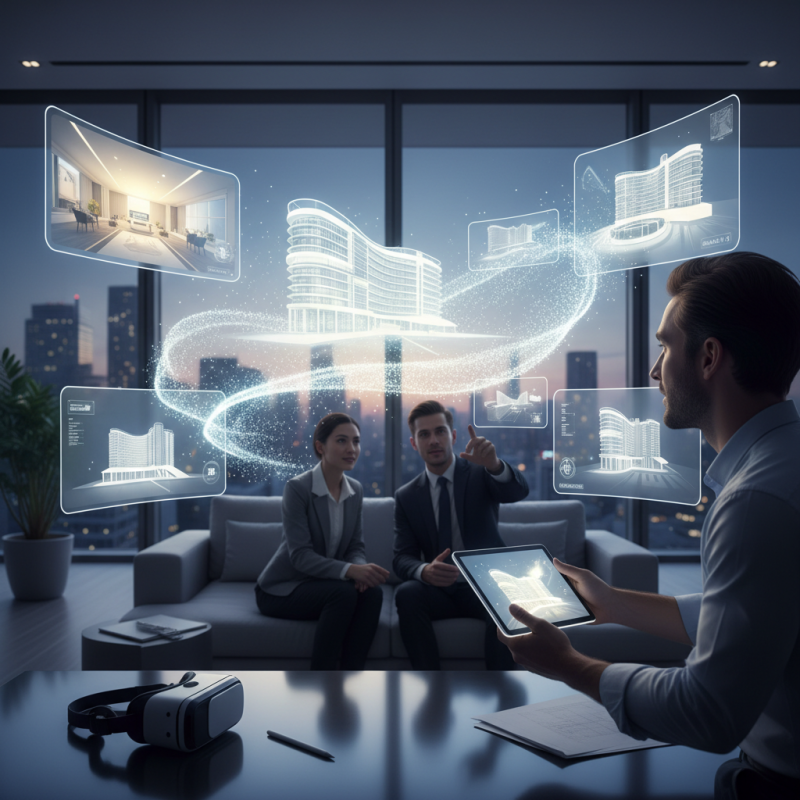
The Evolution of Architectural Animation in Design Practices
Architectural animation has undergone profound changes over the past two decades. Initially, it was a tool for representation. Now, it plays a crucial role in the design process itself. According to the 2021 Architectural Visualization Trends Report, over 70% of architects now use 3D animation in their projects. This shift highlights how it enhances client understanding and engagement.
Advanced technology has made animations more accessible. Tools that were once exclusive to large firms are now within reach of smaller studios. However, the rapid growth raises questions. Are designers losing critical thinking by relying too heavily on visual aids? Animations can simplify complex ideas, but they can also obscure important details. The challenge lies in striking a balance between visual appeal and architectural integrity.
Some projects become overly reliant on flashy animations. The focus shifts from functionality to aesthetics. A 2020 study found that nearly 30% of designs face challenges because the animation oversold the final product. It’s essential to remember that while animation can captivate audiences, the essence of design must remain rooted in practical considerations. Balancing creativity with reality is where true innovation lies.
Key Benefits of Architectural Animation for Client Communication
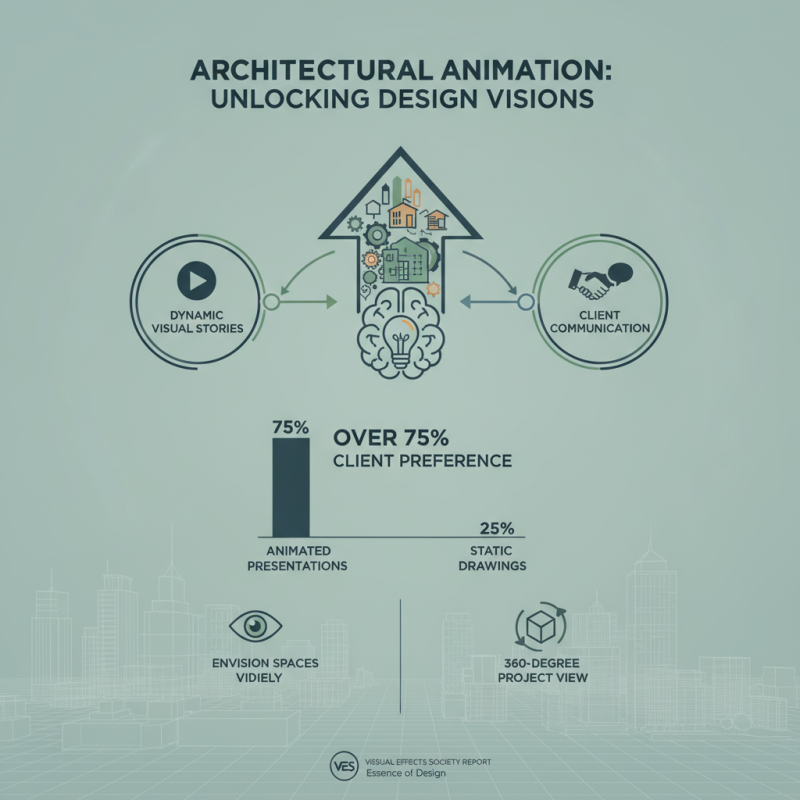
Architectural animation transforms design concepts into dynamic visual stories. This approach is critical for effective client communication. According to a recent report by the Visual Effects Society, over 75% of clients prefer animated presentations over static drawings. Animation helps clients envision spaces vividly. It offers a 360-degree view of projects, capturing the essence of design better than standard blueprints.
Moreover, studies show that using animation can enhance client understanding by 30%. Clients often struggle with traditional formats. They may not grasp dimensions or flow in two-dimensional formats. Animation bridges this gap by simulating real-life interactions. Walking through a space virtually can evoke emotional responses, making feedback more intuitive.
Yet, relying solely on animation may pose challenges. It requires significant time and resources to produce quality work. Sometimes, animations can misrepresent design intent if not executed properly. Clients might develop expectations based solely on flashy visuals rather than functional aspects. Balancing creativity and clarity is essential in this process. Effective communication should emphasize both the dream and practical realities of design.
Enhancing Design Visualization through Architectural Animation Techniques
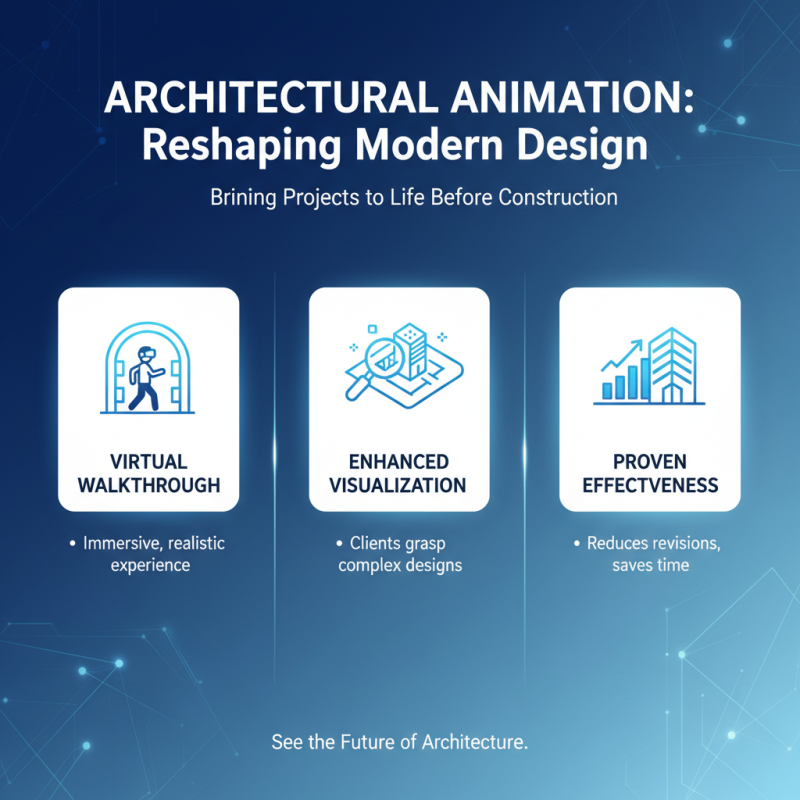
Architectural animation is transforming how designers visualize their projects. These techniques offer an immersive experience. Instead of static images, animations unfold the narrative of spaces. They allow stakeholders to experience designs in motion. This dynamic representation captures attention quickly. It fosters a deeper understanding of spatial relationships.
Animations can highlight key features. A moving camera can showcase a building’s exterior and interior. Details that might be overlooked in a still image come to life. This also helps in identifying potential design flaws. Sometimes, the intended flow feels awkward on screen. Observing the movement can reveal these issues before construction starts.
However, relying too much on animation can be challenging. Designers must balance captivating visuals with practical functionality. Overly complex animations might distract from the core design. Tight deadlines can lead to shortcuts, risking quality. Reflection on these aspects is crucial for effective design communication.
The Future of Architectural Animation in Sustainable Design Solutions
Architectural animation is becoming vital in sustainable design.
Studies show that 68% of firms use 3D visualization to promote eco-friendly practices. Visual tools help clients understand their projects better. They illustrate concepts like natural light use, energy-efficient layouts, and sustainable materials. This clarity can lead to better decision-making.
However, creating such animations is not without challenges. It's resource-intensive and requires skilled professionals. Not all firms have the budget for high-quality animations. Often, this leads to oversimplified visuals that miss critical details. For instance, a poorly animated design might overlook the impact of shade on energy consumption. According to recent reports, up to 30% of designs fail to translate effectively into visual formats.
Trends indicate that as technology evolves, architectural animation will play a pivotal role. Drones and AI are already shaping the future of design presentations. These tools can enhance realism and accuracy. Yet, the industry must reflect on how to balance costs and creative expression. Effective communication through animation remains a goal yet to be fully achieved.