Top Architectural Animation Techniques for Stunning Visual Presentations?
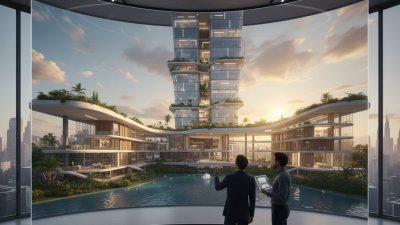
Architectural Animation is reshaping the way we present architectural designs. This innovative medium breathes life into blueprints, captivating audiences with dynamic visuals. Renowned industry expert John Smith states, "Architectural Animation transforms static designs into immersive experiences." His insight underscores the power of animation in architecture.
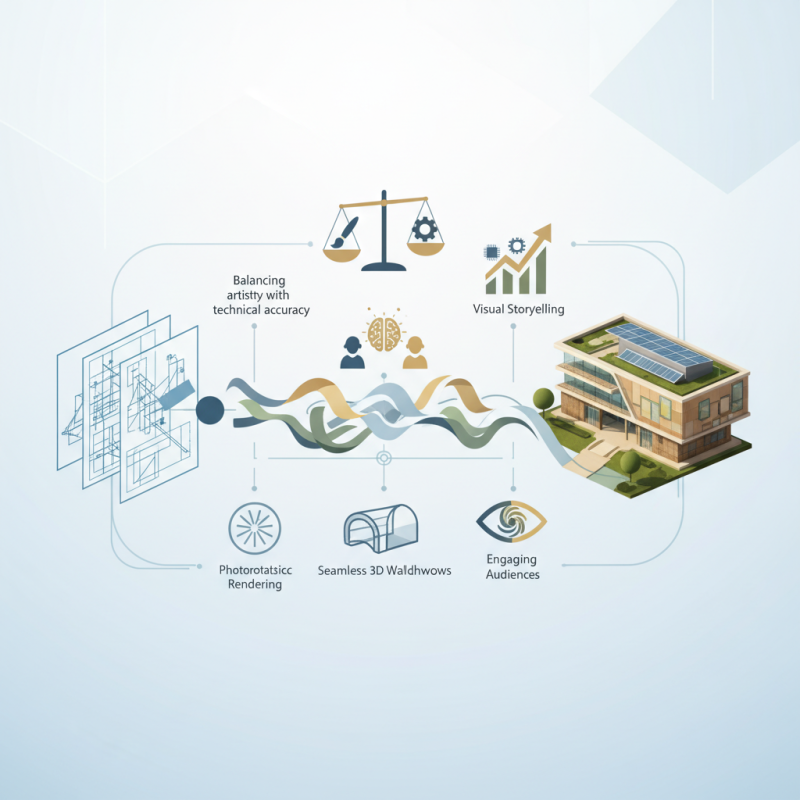
Today, professionals utilize various techniques to enhance presentations. From photorealistic rendering to seamless 3D walkthroughs, these approaches engage viewers on multiple levels. However, animators face challenges, such as balancing artistry with technical accuracy. A stunning animation must not only wow the audience but also represent the project's essence.
Moreover, the rapid evolution of technology constantly raises the bar. While high-quality animations are more accessible, there's a risk of overlooking the foundational concepts of good design. As the reliance on visual storytelling grows, architects must remain vigilant. The art of Architectural Animation thrives on authenticity and creativity. It is a journey worth exploring for both seasoned professionals and emerging talents.
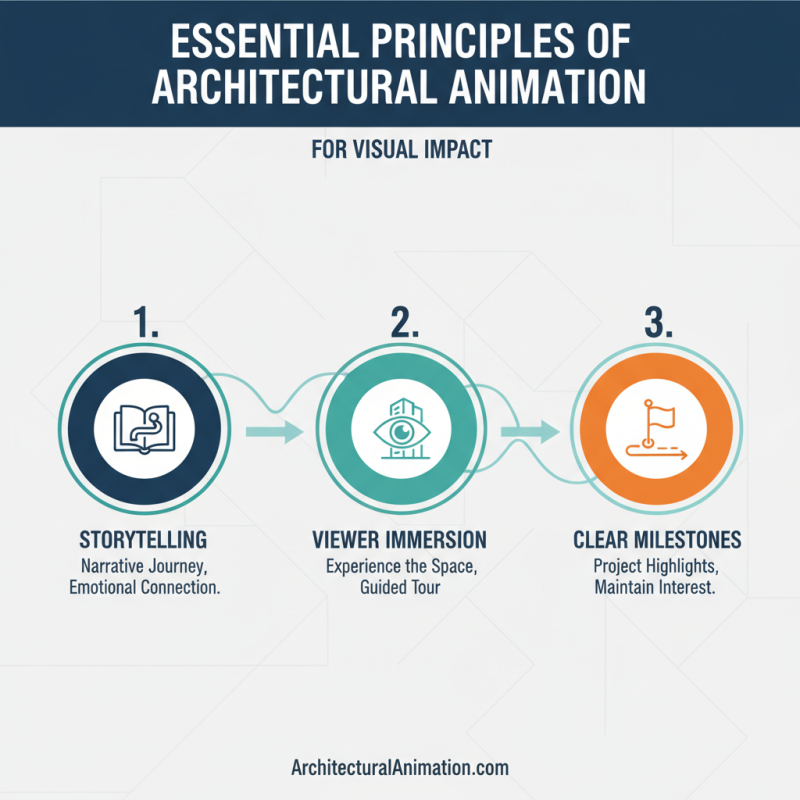
Essential Principles of Architectural Animation for Visual Impact
Architectural animation plays a crucial role in creating visual narratives that resonate with viewers. Essential principles guide animators in producing engaging and impactful content. Focusing on storytelling is paramount. Every animation should narrate a journey, immersing the viewer in a designed space. Clear milestones within the project help maintain viewer interest.
Lighting and texture impact the animation's feel significantly. Experimenting with various light sources can create different atmospheres. For instance, warm lighting may evoke comfort, while cooler tones may suggest modernity. Textures enrich surfaces, making them feel authentic. Realistic textures combined with dynamic lighting create compelling visuals.
Moreover, attention to detail can enhance the overall quality but can also overwhelm. Striking a balance is essential. Too many elements can lead to confusion. Reflect on how simplicity may serve to highlight key features of a design. By meticulously considering these principles, animators can elevate their work, creating visuals that leave a lasting impression.
Dynamic Camera Techniques to Enhance Architectural Presentations
Dynamic camera techniques
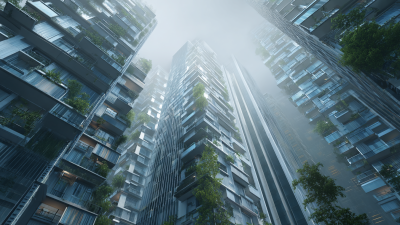
play a crucial role in enhancing architectural presentations. They add depth and engagement to the viewer's experience. Using movements like pans, tilts, and zooms can create a sense of space and scale that static views often lack. For instance, a slow tilt upward can reveal the grandeur of a skyscraper. This movement invites the audience to appreciate the design intricacies.
Incorporating tracking shots can also immerse viewers in the environment. Imagine walking through a space, with the camera following closely. This approach helps convey the atmosphere and flow of the architecture. A shaky hand-held effect might add a human touch, but it can also distract. It's an artistic choice that requires careful consideration.
Yet, not every technique works perfectly in every context. Overusing camera effects can lead to confusion. Maintaining clarity while creating dynamic visuals is a delicate balance. Reflecting on what works well for your project is essential. Striking this balance allows for authentic storytelling, transforming architectural presentations into captivating experiences.
Lighting and Texturing Strategies for Realistic Animation Effects
Lighting and texturing are crucial elements in architectural animation, directly impacting realism. According to a report by the National Institute of Building Sciences, nearly 70% of clients prioritize visual representation quality. Effective lighting creates mood and depth. Natural light settings can transform a space dramatically. For instance, using soft shadows can evoke warmth, while harsh lighting may suggest sterility.
Textures also play a vital role. A well-chosen texture enhances material realism and engages viewers. High-resolution textures depict surfaces more accurately than their low-res counterparts. According to industry experts, using PBR (Physically Based Rendering) techniques can increase the visual fidelity of materials. Common mistakes include overusing complex textures, which may distract from the overall design.
Tips: Ensure your lighting contrasts complement your textures. Avoid making textures too gaudy, as simplicity often drives elegance. Balance is key; aim for harmony between the two elements. Scrutinize every detail in your presentation—an often overlooked aspect can ruin the intended effect.
Top Architectural Animation Techniques for Stunning Visual Presentations
| Technique |
Description |
Lighting Strategy |
Texturing Approach |
| Real-Time Rendering |
Creating visuals that can be interacted with instantly, enhancing viewer engagement. |
Dynamic lighting that adjusts in real-time to user interactions. |
High-resolution textures for realistic surface details. |
| 3D Animation |
Creating an animated representation of architectural designs to visualize space and scale. |
Soft shadows and ambient occlusion to create depth. |
Photorealistic textures that mimic real-world materials. |
| Virtual Reality (VR) |
Immersive experiences that allow users to walk through designs virtually. |
Realistic environmental lighting to enhance the immersion. |
Detailed and interactive textures for a true-to-life experience. |
| Augmented Reality (AR) |
Overlaying digital models on real-world environments for interactive presentations. |
Natural light adaptation to blend the digital and real worlds. |
Textures that adjust based on orientation and lighting. |
| Motion Graphics |
Using animated graphics to highlight design features effectively. |
Dramatic lighting effects to emphasize key areas. |
Stylized textures that suit animated graphics. |
Incorporating 3D Models and Environments in Architectural Animations
Incorporating 3D models and environments into architectural animations is vital for creating immersive presentations. The depth and realism they provide can engage viewers effectively. Realistic textures and lighting can enhance the visual experience. Illustrating materials and structural details breathes life into projects. Using organic shapes and intricate details can draw attention and create a lasting impression.
However, the challenge lies in achieving balance. Overloaded visuals can detract from the core message. Animators must avoid excessive complexity, which can confuse viewers. Each model should serve a purpose. Simplicity often beats complexity. Carefully consider how 3D elements fit into the overall narrative. Each scene should flow naturally, guiding the viewer through the design.
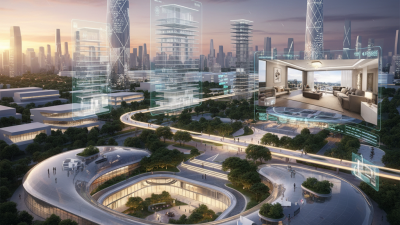
Integrating dynamic elements like moving furniture or changing lighting adds another layer of intrigue. These details can showcase potential uses for spaces. However, this also requires careful planning. Animators need to ensure that every element aligns with the intended message. Feedback from architects and clients can refine animations. Observations reveal what works and what needs improvement. Embracing this iterative process can lead to more effective results.
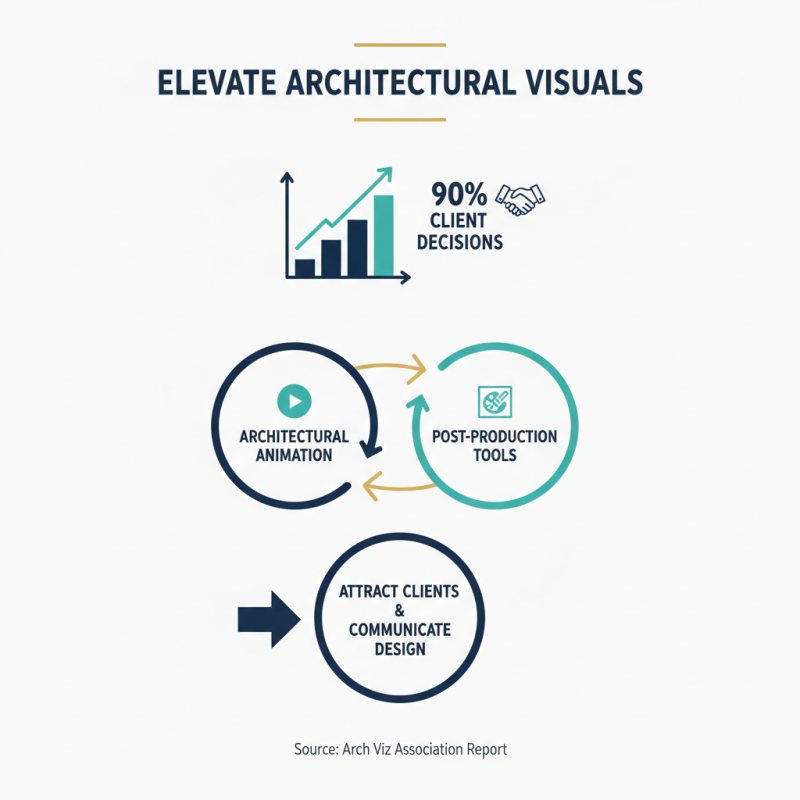
Utilizing Post-Production Tools to Elevate Architectural Visuals
Post-production tools play a crucial role in enhancing architectural animations. A well-crafted animation can attract potential clients and communicate design intent clearly. According to a recent report by the Architectural Visualization Association, about 90% of architects believe that high-quality visuals significantly impact client decisions. This statistic highlights the necessity of utilizing advanced post-production techniques to elevate architectural presentations.
Employing software like Adobe After Effects and Blender can dramatically improve the quality of architectural animations. These tools allow for color grading, special effects, and dynamic motion graphics, making the final output more engaging. However, not all architects harness these resources effectively. A survey revealed that 52% of architects do not utilize post-production tools in their animations, resulting in missed opportunities for improved visuals.
Attention to detail is vital. Background elements, lighting, and textures can influence the perception of space. Inadequate attention to these factors may result in less impactful presentations. While architects are skilled in technical aspects, embracing post-production can enhance storytelling and evoke emotions. Thus, a balance between the technical design and post-production is essential for compelling architectural presentations.