


Top 10 Benefits of 3D Architectural Rendering for Buyers?
In the realm of architecture, 3D Architectural Rendering has transformed how buyers visualize properties. Experts like John Smith, a leading figure in architectural visualization, emphasize, "3D Architectural Rendering bridges the gap between imagination and reality." This technology offers buyers immersive insights into designs. They can experience spaces before they exist, enhancing decision-making.
With 3D Architectural Rendering, clients can notice details that traditional blueprints miss. Texture, lighting, and scale come to life in a way that static images cannot convey. This clarity helps buyers visualize future homes vividly. However, overly idealized renders can sometimes mislead expectations, prompting buyers to compare reality with a polished vision.
The benefits of 3D Architectural Rendering extend beyond mere aesthetics. It simplifies communication between architects and buyers. Misunderstandings fade as everyone shares a common visual reference. As the industry continues to evolve, the need for realistic and dependable representations becomes ever more crucial for making informed choices.
Benefits of Enhanced Visualization for Property Buyers
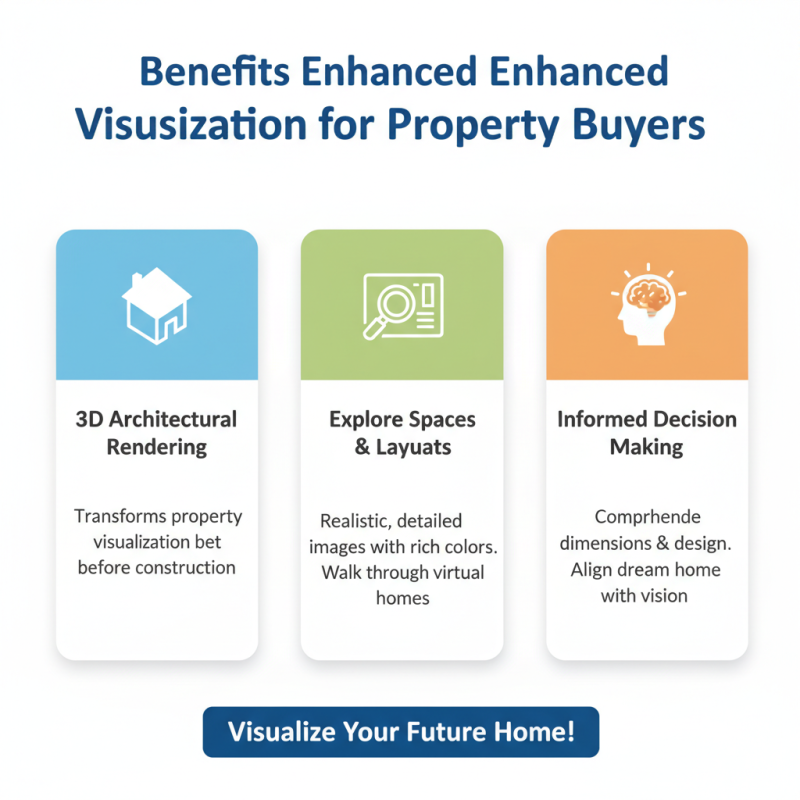
3D architectural rendering has transformed the way buyers visualize properties. This technology creates detailed, realistic images of buildings before construction begins. With vibrant colors and lifelike details, potential homeowners can explore spaces and layouts that were once only on paper. This helps buyers comprehend dimensions and design, ensuring their dream homes align with their vision.
Enhanced visualization serves as a powerful tool in decision-making. Buyers can virtually walk through a space, experiencing it as if they were there. This immersion helps in identifying design flaws or areas that need improvement. However, it can also create unrealistic expectations if the rendering is overly polished. Buyers should maintain a critical perspective, balancing excitement with practicality.
Realistic renderings foster trust between buyers and sellers. They provide a reliable preview of what to expect. Nonetheless, not all renderings are created equal. Some might skimp on details or exaggerate features. Thus, buyers should investigate the rendering quality and seek transparency in the process. This ensures that their investment reflects true value and minimizes surprises upon completion.
Cost-Effective Marketing Strategies Through 3D Renderings
3D architectural rendering is revolutionizing marketing strategies for real estate. Buyers now expect detailed visuals before making decisions. Clear and vivid renderings allow potential clients to envision the final product. Alongside, they save time and resources. Traditional methods like photographs are often limiting and can fail to showcase concepts effectively.
Cost-effective marketing is achievable through 3D renderings. They eliminate the need for expensive model constructions or extensive staging. Renderings offer a flexible and reusable resource, adapting to various marketing campaigns easily. However, this approach requires skilled professionals who can deliver high-quality images. Sometimes, it can be challenging to find the right talent that aligns with specific project needs.
Investing in 3D renderings reflects a commitment to detail and professionalism. Buyers appreciate clear visuals that accurately represent properties. Still, there can be a disconnect if the final product differs from the rendering. Clients may feel misled, leading to dissatisfaction. Thus, balancing creativity and authenticity is essential in this marketing approach. It’s a powerful tool, yet it demands careful consideration and execution.
Improved Decision-Making with Realistic Property Representations
When it comes to buying property, visual representation plays a crucial role. 3D architectural rendering offers a realistic view that static images cannot match. Buyers can walk through virtual spaces, understanding layout and flow. This immersion simplifies the decision-making process. Detailed textures and lighting showcase how a property feels, enhancing emotional connection.
However, it's not flawless. Some buyers may develop unrealistic expectations based on these renderings. The immersive experience can overshadow real-life imperfections in properties. Still, this visualization tool empowers clients. They can identify potential flaws and request changes early. 3D renderings bridge the gap between imagination and reality, guiding customers toward informed choices.
In a competitive market, understanding every detail is vital. 3D architecture helps buyers visualize their future spaces, facilitating clearer thoughts. Yet, buyers must remain cautious. Misinterpretations can arise, especially if renderings exclude essential details. Leveraging this technology requires a critical eye while enjoying the benefits it offers.
Top 10 Benefits of 3D Architectural Rendering for Buyers
This chart illustrates the top benefits of 3D architectural rendering for property buyers, highlighting how they improve the decision-making process with realistic representations.
Streamlined Communication Between Buyers and Developers
3D architectural rendering transforms communication between buyers and developers. This technology ensures that all parties visualize the project in detail. A study by the National Association of Realtors found that 77% of homebuyers appreciate visuals that help them grasp layouts and design. Such clarity closes gaps in understanding.
It is essential to recognize that miscommunication can arise, even with 3D renderings. Developers might interpret buyer preferences differently. A survey revealed that nearly 30% of buyers felt their initial expectations didn't align with the final product. Therefore, engaging conversations are crucial. Interactive 3D models allow buyers to request changes instantly, fostering a collaborative atmosphere.
Moreover, technology can bridge cultural gaps. Clients from different backgrounds may have various expectations regarding space usage. Visual tools increase empathy and understanding between buyers and developers. However, it’s vital to remember that while renderings are useful, they cannot replace thorough discussions about specifics. Misalignment can still occur if buyers fail to articulate their vision clearly. This means transparency is key in the process, helping to ensure that the final outcome meets everyone's expectations.
| Benefit | Description | Impact on Buyer Decision | Communication Efficiency Score (1-10) |
Visualization Clarity Score (1-10) |
|---|---|---|---|---|
| Realistic Visualization | 3D renderings present photorealistic images of properties before construction. | High - Improves confidence in purchase decisions. | 9 | 10 |
| Better Understanding of Space | Buyers can perceive room sizes, layouts, and flow clearly. | High - Helps avoid surprises during actual delivery. | 8 | 9 |
| Enhanced Customization | Enables buyers to visualize and request design changes early. | Medium-High - Facilitates tailored solutions and satisfaction. | 8 | 8 |
| Time-Saving Reviews | Quicker iterative feedback cycles between buyers and developers. | Medium - Reduces project delays from miscommunication. | 9 | 7 |
| Cost Transparency | Visualizing choices helps illustrate cost implications early. | Medium - Enables informed budgeting decisions. | 7 | 6 |
| Improved Emotional Engagement | Visual representation builds buyer excitement and trust. | High - Positively influences purchase intent. | 8 | 9 |
| Reduced Misunderstandings | Clear images reduce ambiguity inherent in 2D plans. | High - Minimizes costly revisions and disputes. | 10 | 9 |
| Pre-Construction Confidence | Buyers feel assured about project progress and final outcomes. | High - Encourages timely contractual agreements. | 9 | 8 |
| Facilitates Remote Viewing | Buyers can assess properties remotely with detailed visuals. | Medium - Expands reach and flexibility for buyers. | 7 | 8 |
| Marketing & Sales Alignment | Unified visual content aligns developer and buyer expectations. | Medium-High - Streamlines communication during sales process. | 8 | 8 |
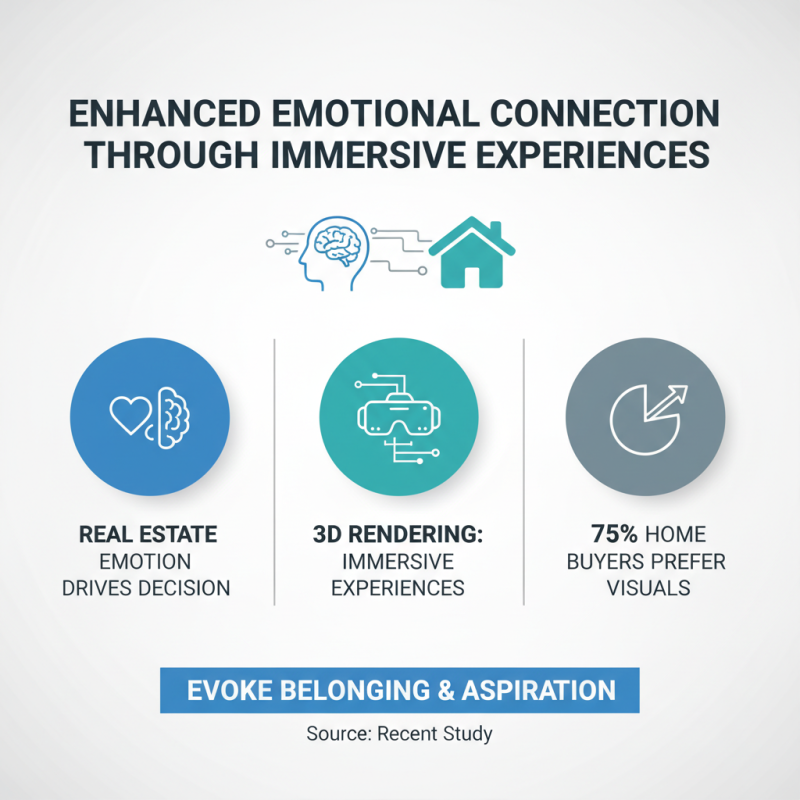
Enhanced Emotional Connection Through Immersive Experiences
The emotional connection buyers feel in real estate can significantly influence their decision-making process. Immersive experiences through 3D architectural rendering enhance this connection. A recent study shows that 75% of home buyers prefer visual content. This preference highlights the importance of engaging the senses to evoke feelings of belonging and aspiration.
Imagine walking through a virtual home where light floods in through expansive windows. Imagine feeling the warmth of the sun and visualizing family gatherings in the living room. According to a report from the National Association of Realtors, properties presented with 3D rendering tools sell 20% faster than traditional listings. Such immersive experiences allow buyers to envision their lives in these spaces, creating a deep, emotional bond.
However, reliance on technology isn't without pitfalls. High-quality renderings can sometimes set unrealistic expectations. Buyers may become disappointed if the final product doesn't match the virtual experience. Developers must balance the allure of these immersive tools with authentic representations of spaces. This creates a trust factor critical for long-term relationships with buyers and aids in responsible marketing practices.
Related Posts
-
Emerging Technologies Transforming Best 3D Architectural Rendering by 2025 and Essential Checklist
-
How to Elevate Your Project with Stunning 3D Architectural Rendering Techniques
-

Top 10 Tips for Stunning 3D House Rendering Techniques?
-
How to Create Stunning Sketch Up Renders in 2026?
-

Your Ultimate Guide to 3D Architectural Rendering Techniques for Stunning Visuals
-
10 Best Exterior Rendering Techniques for Stunning Architectural Designs