10 Best Design Rendering Tips to Elevate Your Design Projects
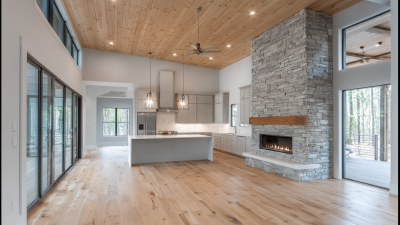
In the ever-evolving landscape of design, the importance of effective Design Rendering cannot be overstated. As recent studies indicate, nearly 75% of designers believe that high-quality renderings significantly enhance project presentation and client communication. This suggests that mastery of design rendering techniques is crucial for delivering successful outcomes in both commercial and residential projects. According to industry expert John Harper, a renowned architectural visualizer, "The ability to visually articulate an idea not only helps in the decision-making process but also shapes the overall perception of the project."
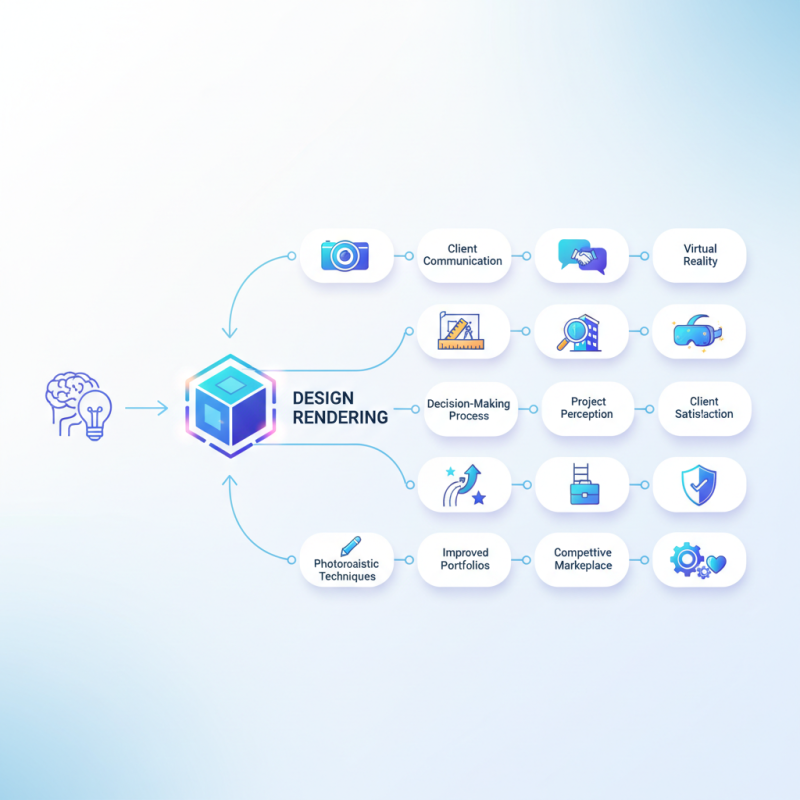
As the demand for visually stunning and accurate representations of design concepts continues to grow, the role of advanced rendering techniques becomes increasingly vital. With the integration of technology, tools like virtual reality and photorealistic rendering are being embraced to create immersive experiences. Designers who invest time in honing their rendering skills are not only improving their portfolios but also enhancing their career prospects. In this context, understanding the best practices for Design Rendering is essential for any designer seeking to elevate their projects and stand out in a competitive marketplace. By embracing these tips, designers can ensure their visions are communicated effectively, leading to greater client satisfaction and successful project execution.
Understanding the Importance of Design Rendering in Projects
Design rendering plays a crucial role in the success of any design project, as it serves as a visual representation that brings concepts to life. This practice allows designers to explore various ideas and present them in a compelling manner, facilitating clearer communication with clients and stakeholders. By creating detailed renderings, designers can effectively convey their vision, ensuring that everyone involved shares a common understanding of the project’s objectives and aesthetic intentions. This alignment is vital for minimizing misunderstandings and fostering a collaborative atmosphere where ideas can flourish.
Furthermore, the importance of design rendering extends beyond merely visualizing ideas; it also acts as a powerful tool for decision-making. Through realistic renderings, designers can evaluate how materials, colors, and lighting interact within a space, enabling informed choices that enhance the overall experience of the project. These renderings can also help anticipate potential challenges, allowing designers to make adjustments early in the process, ultimately saving time and resources. In today’s competitive landscape, mastering the art of design rendering not only elevates the artistic quality of projects but also strengthens a designer's ability to attract and retain clients by showcasing their expertise and creativity.
Choosing the Right Software Tools for Effective Design Rendering
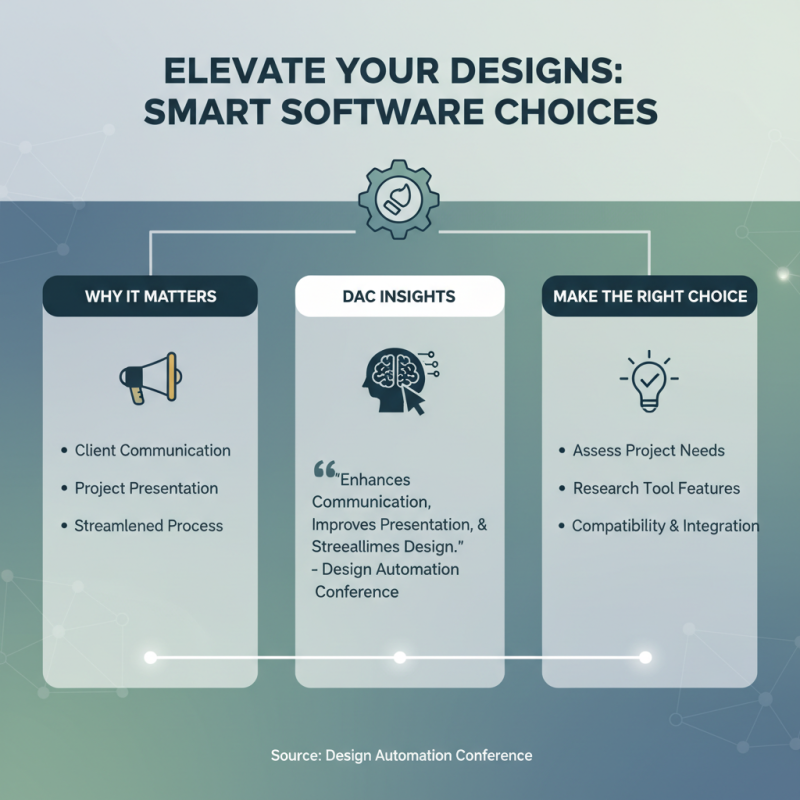
Choosing the right software tools for effective design rendering is a crucial step that can significantly elevate your design projects. According to the Design Automation Conference, effective design rendering can enhance communication with clients, improve project presentation, and streamline the design process. With various design software available, selecting the right tools based on project requirements is essential.
One of the key tips for selecting design rendering software is to assess your project needs relative to the software's capabilities. For instance, tools that support high-resolution rendering and real-time visualization can be vital for projects requiring detailed outputs. Additionally, consider how well the software integrates with other tools in your workflow, as a cohesive ecosystem can enhance productivity. Research indicates that teams utilizing integrated software solutions can improve their design completion rates by up to 40%.
Another critical factor is user-friendliness. Complex software can lead to steep learning curves, which can delay project timelines and increase costs. According to a study by the International Journal of Advanced Engineering Research and Science, teams that prioritize ease of use in software selection report 30% higher satisfaction with their rendering outcomes. Thus, investing time in training and selecting intuitive tools can result in better quality designs and overall project efficiency.
Techniques for Enhancing Depth and Realism in Rendered Images
Creating rendered images that convey depth and realism requires a blend of artistic technique and technical skill. One effective approach is to manipulate lighting strategically. By using a combination of direct and ambient light sources, you can create shadows that add dimension to your designs. Explore various lighting angles to highlight textures and shapes, enriching the visual narrative. Soft, diffused lighting can soften hard edges, while sharper lights can accentuate details, bringing the rendered image to life.
Texturing is another vital technique for enhancing realism. Applying high-quality textures that mimic real-world materials can significantly affect the perception of depth in your renderings. Pay attention to how different surfaces react to light; for instance, glossy finishes reflect light differently than matte surfaces. Additionally, using displacement maps can help you create intricate details that give the illusion of depth, making your images stand out. Finally, compositing in elements such as atmospheric effects or background environmental details can further enhance the perception of three-dimensionality, drawing viewers into the scene.
Color Theory Applications to Boost Visual Appeal in Designs
In the realm of design, understanding color theory is crucial for creating visually appealing projects that resonate with audiences. Research indicates that 85% of consumers make their purchasing decisions based on color alone, emphasizing the power of hues in influencing emotions and perceptions. By leveraging color psychology, designers can effectively communicate messages and evoke specific feelings. For instance, warm colors like red and yellow often stimulate excitement and energy, while cool colors such as blue and green can invoke tranquility and trust. Integrating these insights into design work not only enhances aesthetic value but also improves user engagement and satisfaction.
Furthermore, the strategic use of color contrast can significantly elevate design projects. A study by the Institute of Color Research revealed that color combinations can improve readability by up to 40%, making it essential for designers to consider contrasts in their layouts. High-contrast color schemes can lead to better user retention and information recall, as they guide the viewer's eye and highlight important elements. By applying these color theory principles, designers can create dynamic compositions that captivate audiences, reinforce brand identity, and ultimately drive user action.
10 Best Design Rendering Tips to Elevate Your Design Projects - Color Theory Applications to Boost Visual Appeal in Designs
| Tip Number |
Rendering Tips |
Color Theory Application |
Visual Appeal Impact |
| 1 |
Use a Color Palette |
Harmonious Color Combinations |
Increases cohesion and balance |
| 2 |
Implement Contrast |
Complementary Colors |
Enhances focal points |
| 3 |
Use Negative Space |
Monochromatic Schemes |
Creates breathing room in design |
| 4 |
Experiment with Sizes |
Scale Variation |
Captures attention effectively |
| 5 |
Add Textures |
Tonal Variations |
Enhances depth and interest |
| 6 |
Incorporate Shadows |
Dimensionality through Shades |
Provides realism and grounding |
| 7 |
Balance Color Distribution |
Triadic Color Schemes |
Stimulates viewer interaction |
| 8 |
Use Gradients |
Color Transitions |
Adds movement to design |
| 9 |
Utilize Light and Dark |
High-Contrast Palette |
Highlights essential elements |
| 10 |
Feedback and Refine |
User-Centered Color Choices |
Ensures effectiveness of design |
Best Practices for Presenting and Sharing Your Rendered Designs
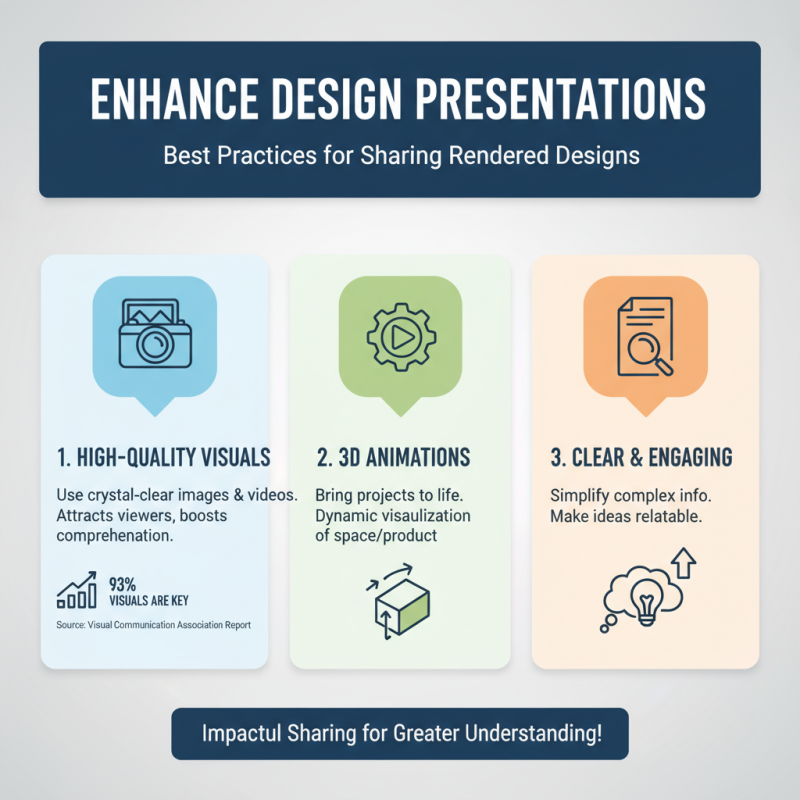
When it comes to presenting and sharing your rendered designs, adhering to best practices can significantly enhance the impact of your work. According to the "State of Visual Communication" report by the Visual Communication Association, 93% of people rely on visual content to help them understand information better, emphasizing the importance of clear and engaging presentations. Utilizing high-quality images and videos of your designs can draw viewers in, making your ideas more relatable and easier to comprehend. Furthermore, incorporating 3D animations can bring your projects to life, allowing potential clients or stakeholders to visualize the space or product in a dynamic manner.
Another key practice is to curate your presentation with a focus on storytelling. A study by the Content Marketing Institute indicates that visuals combined with compelling narratives boost audience retention by up to 65%. Therefore, when sharing rendered designs, ensure to construct a narrative that guides your audience through the design process, highlighting the inspiration, challenges faced, and the solutions crafted. Utilizing platforms like immersive virtual reality can also take the experience a step further, enhancing engagement and understanding of the spatial context of your designs. By following these strategies, designers can not only elevate their presentations but also foster deeper connections with their audience.