Why Choose 3D House Rendering for Your Next Project?
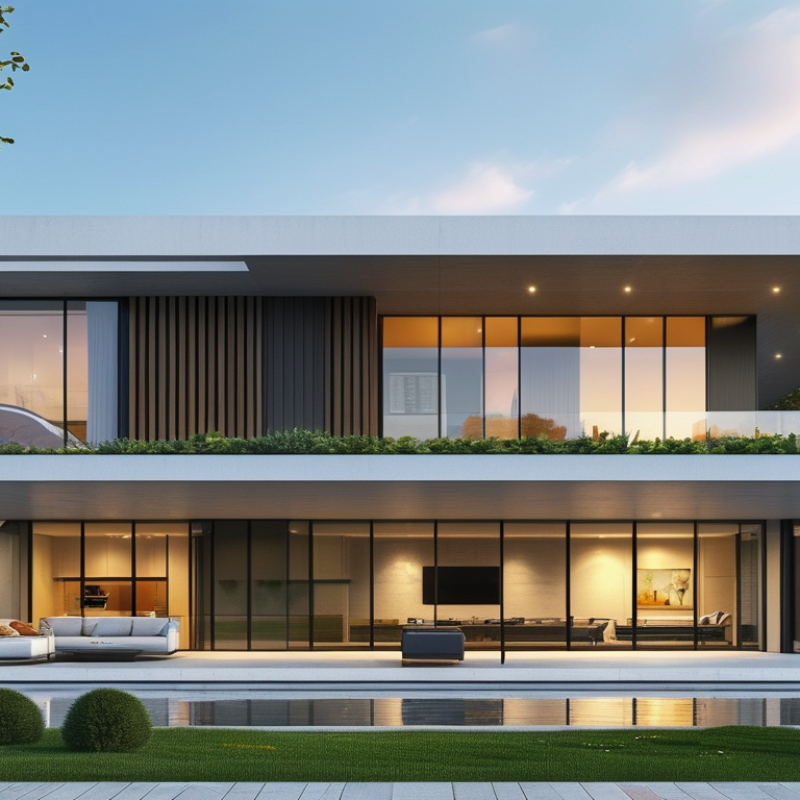
In the evolving landscape of architecture and design, "3D House Rendering" has emerged as a vital tool. This technology allows for a realistic visualization of future projects. By transforming two-dimensional plans into lifelike images, architects can present their visions more effectively.
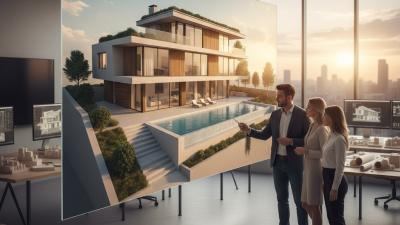
Using 3D house rendering fosters better communication between clients and designers. It bridges gaps, eliminating misinterpretations. Clients can understand spatial relationships and design intentions more clearly. However, some may still question its cost and time investment. It's essential to weigh these factors against the benefits.
As the process evolves, not every rendering achieves perfection. There can be discrepancies between reality and digital portrayals. This invites reflection on the role of technology in design. While 3D rendering is powerful, it’s crucial to maintain a balance between innovation and genuine craftsmanship.
Benefits of 3D House Rendering in Architectural Visualization
3D house rendering is revolutionizing architectural visualization. This modern technique allows architects and clients to visualize designs accurately before construction begins. According to a study by the National Association of Realtors, listings featuring 3D renderings receive 90% more views online. This statistic highlights the importance of visual impact in today's real estate market.
The benefits of 3D rendering extend beyond increased visibility. It enables better communication among architects, clients, and contractors. Clear visualizations can reduce misunderstandings. For instance, a report from the American Institute of Architects noted that 70% of architectural firms using 3D rendering experienced fewer project revisions. This improves efficiency and minimizes costs associated with last-minute changes.
However, 3D rendering isn't without its challenges. High-quality renderings require significant resources. Creating realistic textures and lighting can be time-consuming and expensive. Clients may have unrealistic expectations, thinking renderings represent the final product perfectly. It's essential to manage these expectations early on. Balancing quality with budget is a key reflection point for many firms today. Ultimately, embracing 3D visualization is a step towards a more efficient architectural process.
Benefits of 3D House Rendering in Architectural Visualization
Statistical Growth in Demand for 3D Rendering Services in Construction
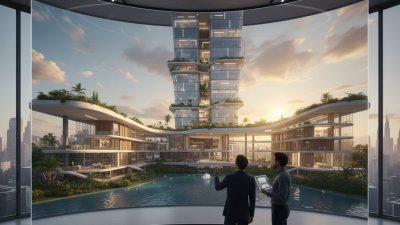
In recent years, the demand for 3D rendering services in construction has surged dramatically. This growth highlights how visual representation can enhance project communication. Clients are increasingly seeking realistic models to understand and visualize their future spaces. With projects becoming more complex, 3D house rendering simplifies the design process.
When working on your next construction project, consider these tips. Ensure your 3D renderings are detailed. Pay attention to lighting and textures. This attention to detail creates a more immersive experience. Clear visuals help clients envision the final product. It can prevent misunderstandings during the design phase.
Not all rendering services are equal. Some may lack experience or fail to meet deadlines. Research potential providers thoroughly. Check reviews or ask for portfolios. A good service will not only showcase beautiful images but also prove its reliability. Prioritize working with established professionals who deliver quality and adhere to timelines.
Comparison of 3D Rendering vs Traditional Blueprint Design Methods
3D rendering has transformed the architectural design process. It offers a visual experience that traditional blueprints cannot match. With 3D rendering, clients can see a realistic representation of their projects. Colors, textures, and lighting come to life in a way that flat drawings simply cannot. This visual clarity helps clients understand their spaces better. They can spot potential issues before construction begins.
Traditional blueprints can be challenging. They require imagination to envision the final product. Measurements and symbols may confuse clients, creating miscommunication. On the other hand, 3D renditions provide an intuitive understanding. Clients feel more engaged in the design process. They can give more informed feedback, leading to better project outcomes. However, some people might find 3D models overwhelming or unrealistic. Not everyone appreciates the vividness of digital renderings. Adjusting to this method can be difficult for some.
Balancing the visual allure of 3D rendering with the straightforwardness of blueprints is vital. Architects and designers need to navigate this shift carefully. While 3D models offer fantastic detail, they can also lead to over-reliance on digital tools. Understanding both methods allows for a comprehensive approach toward effective communication. Clients and designers can benefit from using both, merging the best of each world.
Cost-Effectiveness of 3D Rendering in Real Estate Marketing Strategies
In the competitive world of real estate, cost-effectiveness is key. 3D house rendering has revolutionized marketing strategies for property listings. It enables potential buyers to visualize spaces before they are built. This can significantly reduce the need for physical staging, which can be costly.
When considering 3D rendering, think about the details. High-quality visuals make a property stand out. They can highlight the best features, showcasing materials and layouts. Engaging and realistic images can capture attention quickly, increasing interest in the property.
Tip: Focus on color schemes that resonate with your target market. Use lighting effectively to enhance the mood of the space. Remember, not every design will appeal to everyone. Gather feedback to refine your rendering strategy. Emphasizing the emotional connection buyers feel can lead to faster sales at higher prices.
Why Choose 3D House Rendering for Your Next Project?
| Dimension |
Benefit |
Estimated Cost Savings |
| Visualization Quality |
Enhanced presentation with realistic images |
20% reduction in marketing material costs |
| Market Appeal |
Attracts potential buyers with appealing visuals |
Increase in property showings by 30% |
| Faster Sales Cycle |
Visuals help buyers make quicker decisions |
Reduction in time on market by 25% |
| Client Engagement |
Interactive experiences keep clients interested |
20% increase in lead conversions |
| Design Flexibility |
Easily adjust designs without physical changes |
Reduced redesign costs by 15% |
Impact of 3D Visualizations on Client Engagement and Sales Conversion Rates
In today’s competitive real estate market, client engagement is more crucial than ever. 3D house rendering serves as a powerful tool to capture attention. A recent study found that properties showcased with 3D visualizations saw a 403% increase in inquiries. This dramatic shift highlights the importance of high-quality visual content.
Moreover, 3D renderings can enhance sales conversion rates significantly. Research indicates that 65% of clients are more likely to make a purchase when they can visualize a space realistically. These visual tools bridge the gap between a client's imagination and reality. They allow potential buyers to envision their future homes vividly. Yet, not all renderings are created equal. The quality of visuals can vary, leading to potential misinterpretations.
Engaging clients isn’t solely about aesthetics. It requires a focus on accurate, reliable representations. When clients feel confident about what to expect, their engagement deepens. However, the challenge lies in ensuring that every rendering maintains a high standard. Poor-quality visuals can lead to disappointment and mistrust. This can negatively impact decisions.