

How to Create Stunning 3D Floor Plan Design for Your Home?
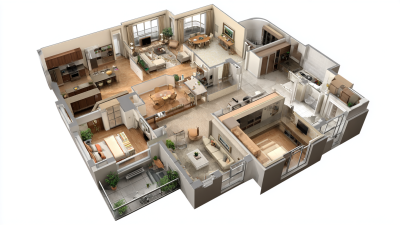
In the world of interior design, creating a stunning 3D Floor Plan Design can change everything. According to renowned architect Sarah Johnson, “A well-designed floor plan is the foundation of any successful home.” Her words highlight the importance of vision in translating ideas into tangible spaces.
Imagine walking through a hall that flows seamlessly into the living area. Visualizing this is essential. Yet, many struggle to capture their vision accurately. Common mistakes include ignoring scale and proportions. It's crucial to reflect on these aspects to avoid frustration later.
3D Floor Plan Design continues to evolve with technology. Yet, it’s not just about advanced software. It’s about understanding how space works. Pay attention to lighting and color. A great design should evoke feelings. Each element must serve a purpose. Failure to do so may lead to a disjointed result. Embrace the challenges. They can lead to stunning solutions.
Understanding the Basics of 3D Floor Plan Design
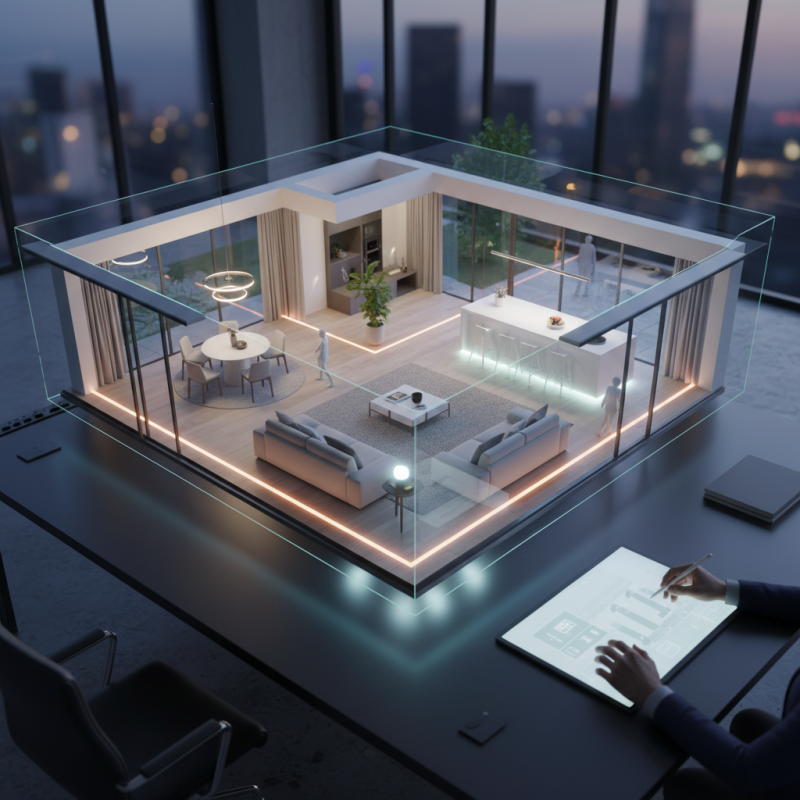
Creating a stunning 3D floor plan design requires a grasp of essential principles. Begin by understanding space planning. Measure your rooms accurately. A floor plan should represent the available area realistically. Use basic shapes to depict furniture layout. This gives an idea of flow and usability.
Textures and colors play a key role. Choosing a color palette can set the mood. Lighter colors usually make spaces feel larger. However, dark tones can create intimacy. Experimenting with textures can add depth. It’s often easy to get caught up in aesthetics and overlook functionality. Ensure pathways are clear and functional.
Mistakes happen along the way. You may misjudge the size of furniture or forget about door swings. Regularly step back and reassess your design. This process helps refine your vision. Don't be afraid to make changes based on your reflections. Each iteration improves your design.
Choosing the Right Software for Creating 3D Floor Plans
When designing a stunning 3D floor plan, selecting the right software is crucial. Many options exist, each with unique features. Some programs focus on simplicity, while others offer advanced tools. Consider your needs before deciding. Do you want detailed textures? Or simpler designs?
User-friendliness matters, especially for beginners. A complicated interface can lead to frustration. Ideal software balances power and ease of use. Look for tutorials and customer support. They can ease the learning curve.
Don’t overlook compatibility. Some software may not work on all devices. This limitation could hinder your creative process. Always think ahead about what you need the software to do. Your choices can shape the final design. Choosing the right tools may take time and experimentation. This is normal in any creative journey.
Essential Elements to Include in Your 3D Floor Plan
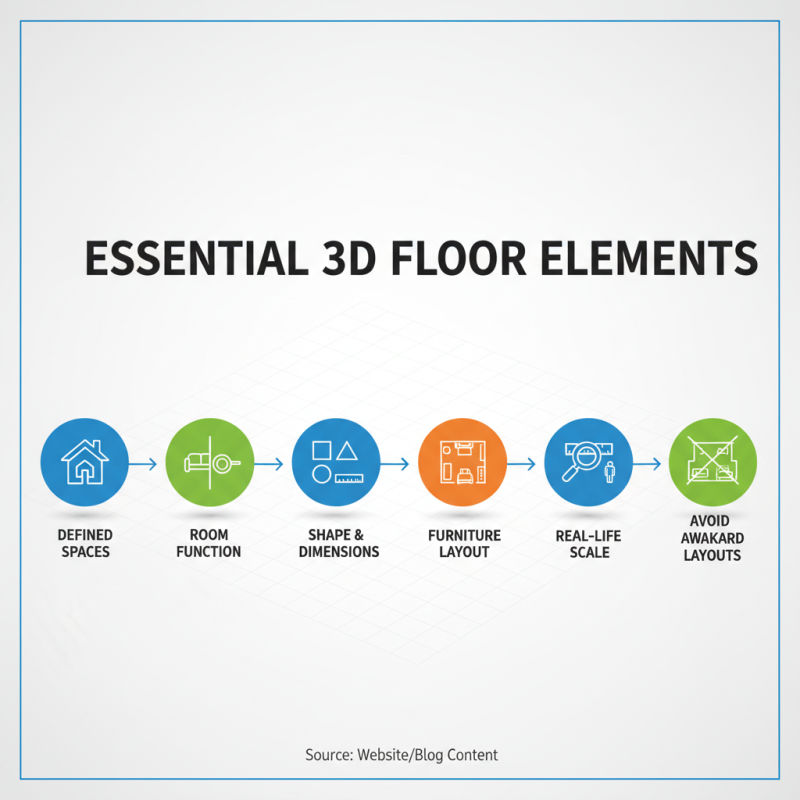
Creating a stunning 3D floor plan requires careful thought. To start, you should define your spaces clearly. Each room must serve its purpose, whether it's a cozy living area or a functional kitchen. Use distinct shapes and dimensions to represent these rooms accurately. Remember to account for furniture placement when designing. The scale should reflect real-life proportions. Misjudging dimensions can lead to awkward layouts.
Next, consider detailing key elements. Including windows and doors adds realism. Ensure they are proportionate and in logical locations. Lighting is also crucial; it helps set the mood of each room. You might explore using various light sources to enhance depth. Visualize how sunlight enters throughout the day. Colors and textures play a role too. They can give the space character but be cautious not to overdo it.
Flooring options are another vital consideration. Choose materials that complement your design. Mixing textures can create interest but may also lead to chaos if not balanced. Lastly, remember that user experience matters. A stunning floor plan should not only look good but also feel inviting. Reflect on your design choices to ensure they enhance livability.
Tips for Enhancing Aesthetic Appeal in 3D Designs
Creating a stunning 3D floor plan requires attention to detail and aesthetics. According to a recent industry report, 3D designs can boost user engagement by up to 70%. This emphasizes the need for an eye-catching layout. Colors play a significant role; for instance, warm tones create a cozy atmosphere, while cool tones can promote calmness. Choosing the right palette can make a room feel spacious or intimate.
Textures also enhance aesthetic appeal. Smooth surfaces can convey modernity, while wood finishes create warmth. The report highlights that 80% of potential buyers are influenced by visual aspects of a design. Experimenting with materials can lead to unexpected results. Sometimes, combining contrasting textures adds character. Yet, overdoing it can clutter a space.
Lighting is critical in 3D designs. Well-placed light sources establish mood and highlight focal points. A bright environment feels inviting, but too much harsh light can be unsettling. Balancing natural and artificial light can be tricky. Take time to refine these elements. Remember, less is often more when designing with impact.
Finalizing and Presenting Your 3D Floor Plan to Clients
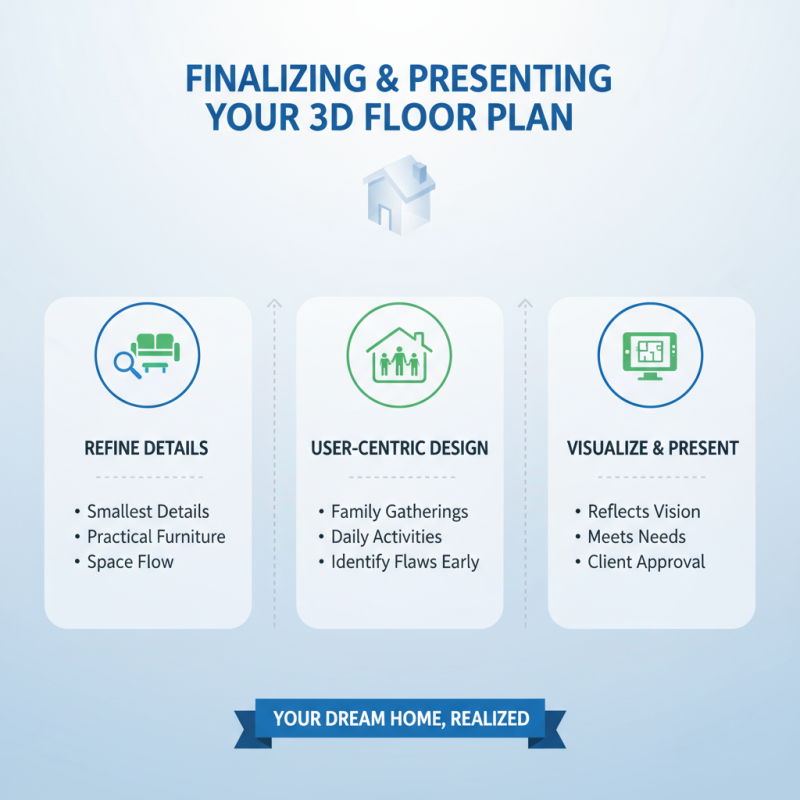
Finalizing a 3D floor plan is a crucial step in the design process. It reflects your vision and needs. Focus on the smallest details. Ensure furniture placement is practical. Think about how spaces flow. Will the layout work for family gatherings? Visualize daily activities within each room. This perspective helps to identify flaws early.
When presenting to clients, clarity is key. Use software features to add texture and color. Color can evoke emotions. Invite clients to share feedback. Listen actively. It’s important to address their concerns. Adjustments may be needed. Some clients may struggle with visualization, so walk them through each area.
Highlight both strengths and weaknesses of the design. Acknowledge that not every idea may fit perfectly. This openness fosters trust. Show multiple angles of key spaces. Provide printed copies for reference. Encourage them to ask questions. A well-rounded presentation can lead to valuable discussions and adjustments.
Related Posts
-
Top 10 3D Interior Rendering Manufacturers from China at the 137th Canton Fair
-
Understanding Technical Specifications of the Best 3D Floor Plan Design for Optimal Space Utilization
-
Unlocking the Advantages of Using 3D Floor Plan Design for Your Home Renovation
-
Discover 7 Secrets to Stunning 3d Floor Plan Design
-
Envisioning Tomorrow: How 3D Floor Plan Design is Redefining Global Real Estate
-

Transform Your Space: The Impact of 3D Floor Plan Design on Property Value and Buyer Engagement