How to Create Stunning 3D Floor Plan Designs for Your Home or Project
In today’s rapidly evolving design landscape, 3D Floor Plan Design has emerged as a pivotal tool for architects, interior designers, and homeowners alike. According to a report from the American Society of Interior Designers (ASID), over 80% of professionals believe that 3D visualization tools enhance client communication and satisfaction. This statistic underscores the importance of 3D floor plans in effectively conveying design concepts and fostering collaboration between designers and clients, ultimately leading to more successful outcomes.
Industry expert Dr. Emily Rodriguez, a leading researcher in architectural visualization, states, "3D Floor Plan Design not only provides a tangible representation of space but also enriches our understanding of how design influences living environments." Her insights highlight the ability of 3D plans to transform abstract designs into immersive visual experiences that allow clients to envision their future spaces. As the demand for detailed and interactive representations increases, adopting advanced 3D design techniques has become essential for any successful architectural project.
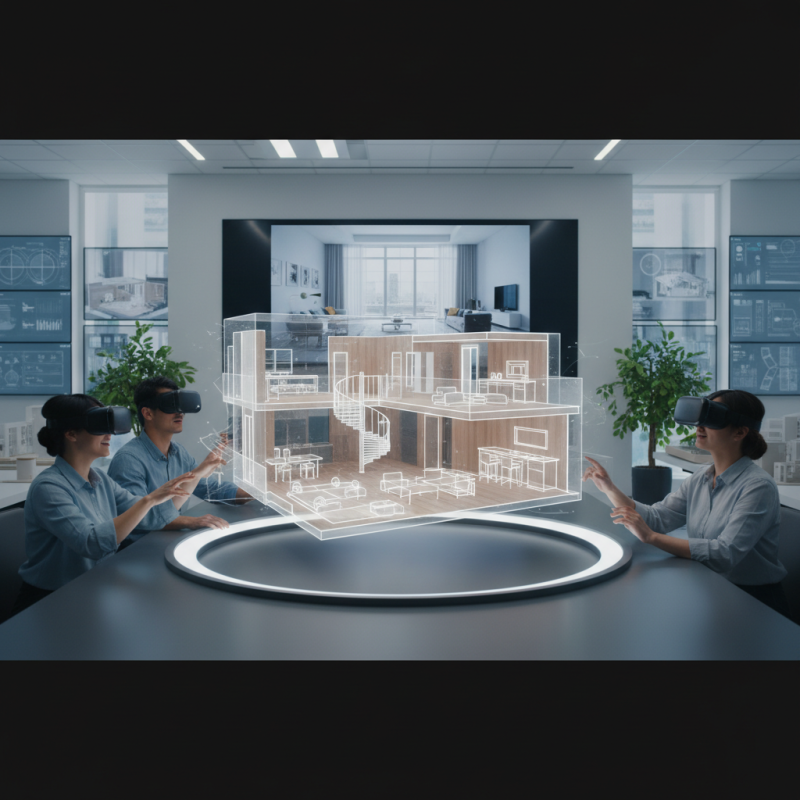
Moreover, the rise of virtual reality (VR) and augmented reality (AR) technologies has further revolutionized the way we approach 3D Floor Plan Design. With these tools, clients can now explore and engage with their designs in ways previously thought impossible, paving the way for more innovative and personalized home or project visuals. Embracing these advancements not only elevates the design process but also enhances the overall client experience, making it a crucial focus for any modern design professional.
Understanding the Basics of 3D Floor Plan Design
Understanding the basics of 3D floor plan design is crucial for anyone looking to create an effective and visually appealing layout for their home or project. A 3D floor plan provides a detailed representation of a space, allowing viewers to visualize dimensions, furniture placement, and overall flow. The fundamental elements to consider include scale, which ensures that all components fit proportionally within the designated area, and the layout itself, which involves strategic positioning of walls, windows, and doors to enhance functionality and aesthetics.
Additionally, incorporating realistic textures and materials in your design can significantly elevate the presentation. By utilizing colors, patterns, and lighting effects, you can create an immersive experience that showcases how different elements interact within the space. It's also essential to think about audience interaction—3D floor plans should not only be visually striking but also intuitive, allowing users to easily navigate and understand the layout. Understanding these basics lays the groundwork for producing stunning designs that cater to individual preferences and project needs.
Choosing the Right Software for Creating 3D Floor Plans
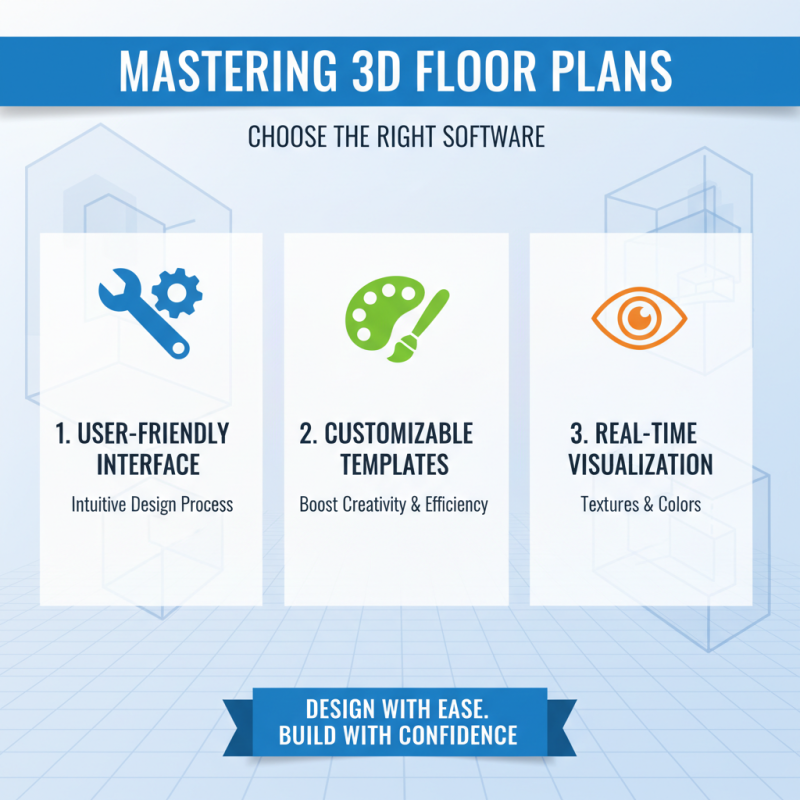
When embarking on the journey of creating stunning 3D floor plans, selecting the appropriate software is a critical first step. The right tools not only enhance the design process but can also facilitate a more intuitive experience. Look for software that offers features tailored to your specific needs, such as user-friendly interfaces, customizable templates, and the ability to visualize textures and colors in real-time. These features can significantly boost your creativity and efficiency, allowing you to focus more on design rather than struggling with technical challenges.
Additionally, consider the level of support and community engagement offered by the software. Access to tutorials, forums, and user support can be invaluable, particularly as you navigate new features or troubleshoot issues. Many software options also provide cloud storage capabilities, making it easier to share your designs with clients or collaborators seamlessly. Evaluating these aspects will ensure that you select a tool that not only meets your immediate requirements but also enhances your overall design workflow, paving the way for the creation of magnificent 3D floor plans.
Key Elements to Include in Your 3D Floor Plan
When creating an impressive 3D floor plan design, several key elements must be included to ensure clarity and usability. First, accurate measurements and proportions are essential. A well-scaled floor plan helps visualize the space more realistically. Include dimensions for walls, windows, and doors, as this will guide users in understanding the space better.
Another vital element is the inclusion of furniture placement. Illustrate how furniture fits within the space, considering pathways for movement. This not only enhances aesthetics but ensures functionality as well. Effective layout planning can save time and resources during the actual design or renovation process.
**Tips:** Use contrasting colors and textures to distinguish between different areas, such as living spaces, kitchens, and bathrooms. This visual differentiation can make your floor plan more engaging. Additionally, leverage online tools that allow for 3D visualization, making it easier to adjust and refine your design before finalizing any decisions. Don't forget to incorporate lighting elements, as they significantly affect the ambiance and perceived space in a room.
3D Floor Plan Design Elements
Steps to Transform a Traditional Layout into 3D Visualization
Transforming a traditional floor plan into a captivating 3D visualization involves several key steps that enhance the conceptualization of your space. First, begin with a detailed sketch of your existing layout, including measurements and room dimensions. This foundation is crucial as it allows you to accurately replicate the proportions and relationships between different areas in a 3D model. Use software tools that specialize in 3D design to import your 2D plan, which will serve as the base to build your visualization.
Once you have established the basic structure, focus on adding texture and materials. Choose realistic colors and finishes for walls, floors, and furniture to create an inviting atmosphere. Incorporating natural elements like light and shadows will further enhance the depth and realism of the space. Don’t forget to include furnishings and decor that reflect the intended style and function of each room. By meticulously detailing each element, your 3D floor plan will not only convey the layout but also provide a vivid representation of how the space will feel once completed.
Tips for Enhancing the Aesthetics of Your 3D Floor Plan
Creating a visually appealing 3D floor plan goes beyond mere accuracy; it requires an understanding of design principles that enhance aesthetics. One effective tip is to incorporate color theory into your design. Using harmonious color palettes can evoke specific emotions and create inviting spaces. For instance, soft, warm hues can make a room feel cozy and welcoming, while brighter shades can energize a space. Strategically placing contrasting colors in key areas can also draw attention to focal points, making your design more engaging.
Lighting plays a crucial role in enhancing the aesthetics of 3D floor plans as well. By simulating natural light and varying artificial light sources, you can create depth and dimension within your design. Highlighting certain areas with brighter lights can accentuate architectural features and enhance the overall ambience. Additionally, consider the layout and flow of the space; open and well-structured layouts can promote a sense of harmony, while cluttered or illogical arrangements can detract from the overall design. By thoughtfully combining colors, lighting, and spatial flow, you can create stunning 3D floor plans that not only serve a functional purpose but also captivate the viewer's imagination.
How to Create Stunning 3D Floor Plan Designs for Your Home or Project - Tips for Enhancing the Aesthetics of Your 3D Floor Plan
| Design Element |
Description |
Impact on Aesthetics |
Example |
| Color Scheme |
Selecting complementary colors to evoke a desired mood. |
Enhances visual appeal and sets the tone for the space. |
Soft pastels for a calming effect. |
| Furniture Layout |
Strategically placing furniture to create flow and accessibility. |
Enhances usability and can make spaces feel larger. |
Open plan dining/living area with clear paths. |
| Lighting |
Incorporating various lighting sources to highlight features. |
Creates ambiance and depth in a 3D design. |
Accent lights highlighting artwork. |
| Textures |
Using different materials to add tactile interest and contrast. |
Adds depth and richness to the design. |
Combination of wood, metal, and fabric in decor. |
| Scale and Proportion |
Maintaining appropriate size relationships between components. |
Ensures harmony and balance in the layout. |
Large sofas with small side tables for contrast. |