


Why Exterior Rendering is Essential for Your Home's Curb Appeal?
Exterior rendering plays a pivotal role in enhancing your home’s curb appeal. It transforms the exterior surfaces, making them more attractive and inviting. When people approach your home, the first impression is often dictated by its exterior finish. A well-rendered facade can significantly elevate the overall aesthetic appeal.
Investing in exterior rendering not only uplifts your property’s appearance but also increases its market value. This process involves applying a mixture of materials to external walls, which can help protect against weather elements. Different styles and textures in exterior rendering add unique character to your home. However, selecting the right type is crucial. It's essential to consider durability, maintenance, and local climate.
While exterior rendering can vastly improve visual appeal, it is not without challenges. Homeowners may face issues related to moisture retention if not done properly. Additionally, some styles might clash with neighborhood aesthetics. These reflections can help guide your choices, ensuring that you strike a perfect balance between beauty and practicality.
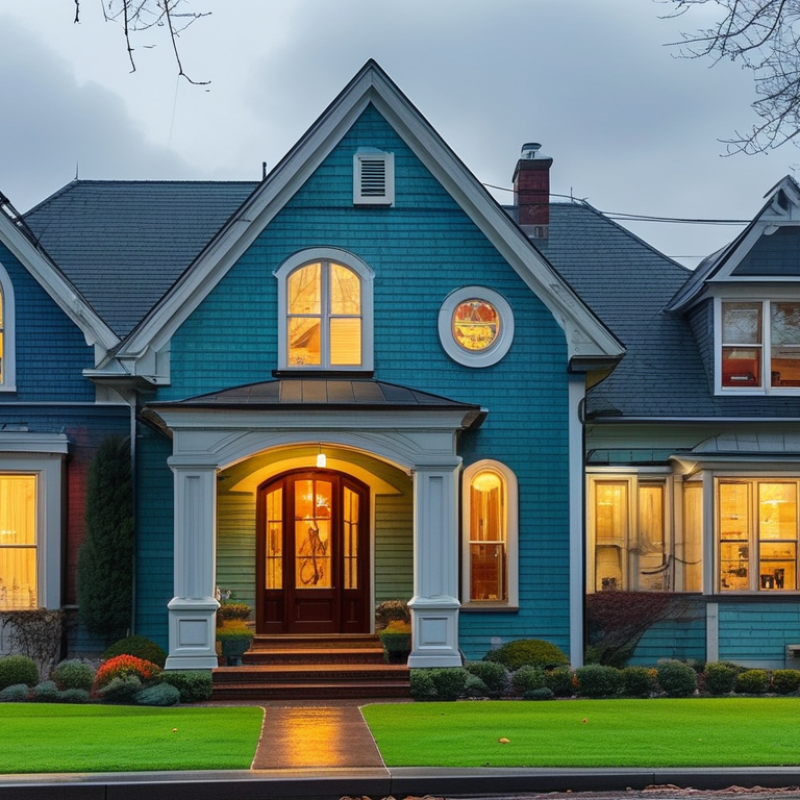
The Importance of Curb Appeal in Home Design
Curb appeal plays a crucial role in home design. It is the first impression a visitor or potential buyer has. An inviting exterior reflects the care and attention you put into your home. A well-maintained facade can make a property stand out in the neighborhood. It isn't just about aesthetics; it’s about setting a tone, creating an inviting atmosphere.
Think about the colors and textures that resonate with your style. A well-chosen palette can transform a plain exterior. However, it’s easy to miss the little flaws—peeling paint, overgrown bushes, or cracked walkways. These imperfections can detract from an otherwise beautiful design. Small details matter; even a clean front door can elevate the entire look.
Investing effort into landscapes, lighting, and exterior finishes significantly enhances curb appeal. Homeowners often overlook the power of visual balance. Symmetry in design creates a sense of harmony. Yet, it’s essential to ensure that your design elements reflect your personal taste. Balancing aesthetic appeal with functional choices is vital. Aim for a combination that speaks uniquely to you.
Understanding Exterior Rendering: Definition and Benefits
Exterior rendering refers to the application of a protective and aesthetic layer to the outside of a home. This technique enhances both the appearance and durability of your property. Various materials, like stucco or cement, provide a versatile look. Different textures and colors can be selected to match your style.
The benefits of exterior rendering go beyond aesthetics. It acts as a barrier against weather elements, leading to energy efficiency, reducing heating and cooling costs. Additionally, rendered surfaces are often easier to maintain; they can resist mold, moisture, and pests. Many homeowners appreciate these long-term advantages.
Despite the benefits, improper application can lead to issues. Cracks and peeling can diminish a home’s look. It’s essential to hire experienced professionals for installation. Research local experts and view their previous work to assess their quality. Quality matters tremendously, as it affects your home’s curb appeal and overall longevity.
Key Materials Used in Exterior Rendering for Homes
Exterior rendering significantly enhances a home's curb appeal, utilizing various materials that offer both aesthetic and functional benefits. One commonly used material is cement render. It provides a smooth finish and can be painted easily. Studies indicate that homes with freshly rendered exteriors can see property value increases of up to 10%.
Another popular choice is acrylic render. This material is flexible and highly durable, allowing it to withstand harsh weather conditions. Interestingly, it reduces energy consumption by improving insulation. According to industry reports, acrylic rendering has gained a 30% market share in recent years, reflecting growing homeowner preferences.
Natural stone is also an exceptional option. It adds a unique, textured finish that stands out in any neighborhood. The initial investment might be higher, but its longevity and minimal maintenance needs make it worthwhile over time. Homeowners should reflect on their choices, as not all materials suit every type of architecture. Careful consideration can lead to a striking transformation that enhances both beauty and functionality.
How Exterior Rendering Influences Property Value
When considering property value, exterior rendering plays a pivotal role. According to a 2022 survey by the National Association of Realtors, homes with upgraded exteriors can see a 10-15% increase in value. This statistic demonstrates the financial impact of attractive facades. A well-rendered home catches the eye and invites interest, often leading to quicker sales.
A quality render not only beautifies but also protects. It shields the structure from environmental damage, such as moisture and UV rays. Reports show that homes with proper protective rendering maintain their exterior and interior conditions longer, offering a better return on investment. Regular maintenance, however, can often be overlooked. Homeowners should address small cracks or wear promptly to avoid costly repairs.
Tips: Consider a neutral color that blends with the neighborhood for wide appeal. Testing samples on a small wall can help visualize effects before fully committing. Be mindful of the surrounding landscape and architecture to ensure harmony. Upkeep is vital; inspect your home regularly for any signs of wear.
Maintenance Considerations for Exterior Rendering in Homes
Exterior rendering can significantly enhance your home's curb appeal. However, maintenance is critical to keep it looking fresh and attractive. Regular attention will prevent costly repairs in the long run.
Inspect your exterior rendering for cracks or chips. These flaws can allow moisture to penetrate, potentially causing mold or structural damage. Cleaning is also essential. Dirt and grime can accumulate, dulling the finish. Use gentle cleaners to avoid damaging the surface.
Consider the climate where you live. Harsh weather can impact materials differently. For example, UV rays may fade colors in sunny areas. In contrast, wet environments may require waterproofing treatments. Monitor these factors to ensure your home remains beautiful. Prioritizing maintenance is key.
Conclusion
Exterior Rendering is a crucial aspect of enhancing a home's curb appeal, significantly influencing how a property is perceived. Curb appeal not only reflects the homeowner's style but also plays a vital role in attracting potential buyers. Understanding exterior rendering entails knowing its definition and various benefits, including improved aesthetics and protection against weather elements. Key materials used in exterior rendering can vastly affect both the home's look and its longevity.
Additionally, investing in quality exterior rendering can lead to increased property value, making it a wise choice for homeowners. Maintenance considerations are essential, as different materials require varying levels of care to maintain their appearance and functionality. Finally, choosing the right exterior rendering style is key to complementing a home’s architectural design, ensuring that it stands out while staying true to its character.
Related Posts
-
2026 Best Exterior Rendering Techniques for Stunning Home Facades?
-

How Best Digital Renderings Will Shape Industry Trends in 2025
-

Emerging Technologies Transforming Best 3D Architectural Rendering by 2025 and Essential Checklist
-
Comparing Top 3D House Rendering Services: Which One Delivers the Best Results?
-

Unlocking the Power of Best AI 3D Rendering: What Makes It Stand Out?
-

Transforming Urban Projects: How Best 3D Architectural Rendering Enhances Real Estate Development


