Why is 3D House Rendering Important for Modern Architecture?
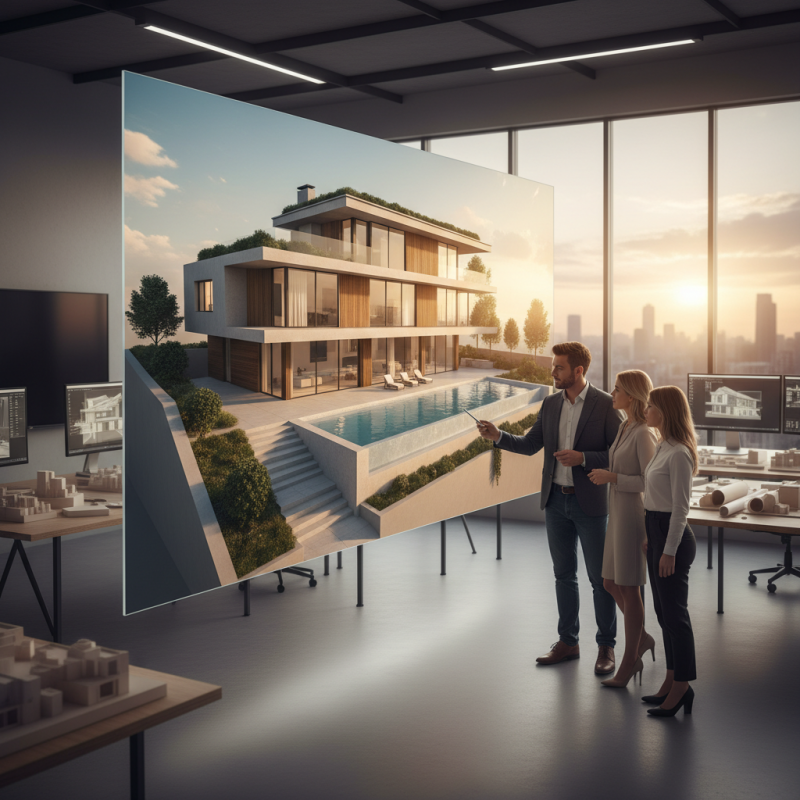
In modern architecture, visualization plays a critical role. 3D house rendering offers an immersive glimpse into potential designs. This technology transforms flat concepts into vivid representations. Clients can understand their future spaces better.
The details matter in architecture. 3D house rendering showcases colors, materials, and layouts. It allows for adjustments before construction begins. However, not all designs translate perfectly in 3D. Some ideas may lose nuance in the rendering process. Reflection on these aspects is essential.
Architects and clients can avoid costly mistakes with this tool. Yet, over-reliance on visualizations can lead to disappointments. Real-world outcomes may differ from 3D impressions. Balancing creativity with practicality is key. In the end, 3D house rendering is a powerful yet imperfect ally in modern architecture.
The Role of 3D House Rendering in Modern Architectural Design
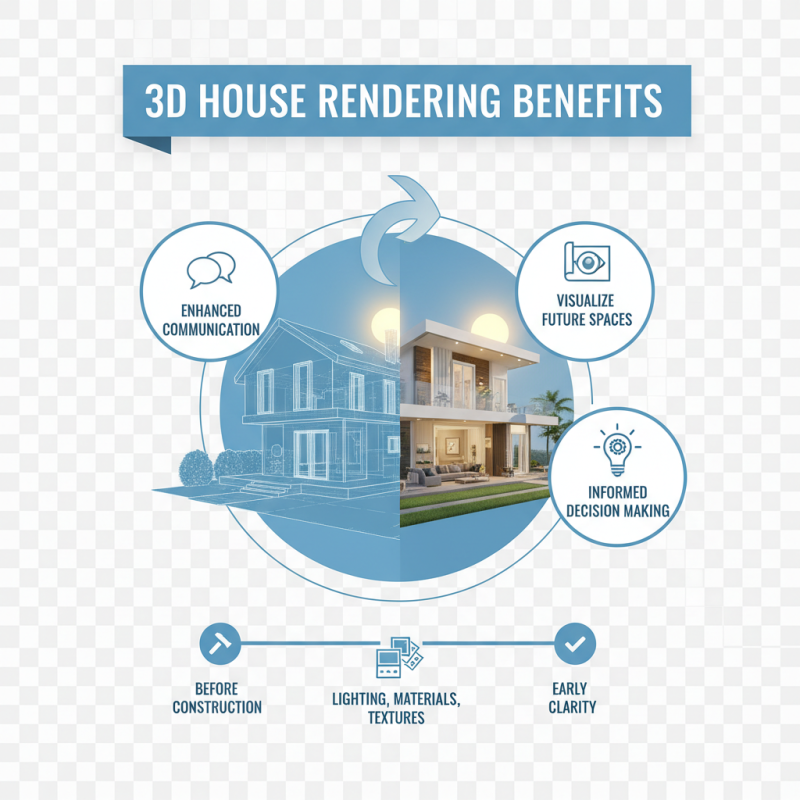
In modern architectural design, 3D house rendering plays a crucial role. It transforms flat blueprints into vivid, immersive images. Architects can now visualize their ideas in rich detail. This allows for better communication with clients. Details like textures, colors, and lighting become clearer. Clients feel more engaged in the design process.
However, relying too heavily on 3D renderings can be misleading. Renderings may create unrealistic expectations. Sometimes, the final product doesn't match the impressive visuals. Architects need to ensure that their designs remain feasible. Balancing creativity and practicality is essential for success. Regular feedback can guide adjustments along the way.
The technology behind 3D rendering is impressive, but it has limitations. Lighting can appear too perfect, lacking the nuanced shadows of real life. This can misrepresent how a space feels. Architects should encourage clients to consider these factors. Engaging in discussions about realistic outcomes can foster trust and understanding. Real-world constraints must still inform the creative vision.
How 3D Renderings Enhance Client Communication and Approval Processes
In modern architecture, 3D house rendering plays a crucial role in enhancing communication with clients. Visual representations allow architects to present concepts clearly. A report from the American Institute of Architects highlighted that projects with 3D renderings gain client approval 70% faster than traditional methods. This acceleration benefits both architects and their clients.
3D renderings help convey intricate details. Clients can visualize textures, colors, and layouts in immersive ways. However, challenges arise when clients have unrealistic expectations. Some may overlook the limits of design and material feasibility. A study from the National Association of Realtors noted that 40% of buyers prefer visual content over text. This underlines the need for effective communication but also points to the potential misalignment between client dreams and architectural realities.
Engagement through renderings fosters dialogue. Architects can refine ideas based on real-time feedback. Still, misunderstandings can occur. Details like lighting and shadows often shift during the design process, complicating client perceptions. A recent survey revealed that one in three clients felt uncertain about final results, despite seeing 3D images. This highlights an essential gap in bridging expectations. While the benefits of 3D rendering are evident, improving communication remains key to achieving successful outcomes.
The Impact of 3D House Rendering on Design Accuracy and Detail
3D house rendering is revolutionizing modern architecture. It enhances design accuracy and detail that were once hard to achieve. Designers can visualize spaces with stunning realism. This technology transforms flat drawings into immersive experiences. You can see materials, textures, and lighting before construction starts. It allows for better decision-making throughout the design process.
However, it’s not always perfect. Sometimes, renderings can misrepresent colors or proportions. These discrepancies may lead to confusion for clients. There is a risk that the final product might differ from what was presented. Realizing this helps designers clarify expectations. Communication becomes vital to bridge the gap between vision and reality.
Incorporating detailed elements into 3D models offers valuable insights. For instance, showcasing how natural light interacts with interiors can guide material choices. This meticulousness aids in ensuring that designs meet functional needs. Yet, over-reliance on technology may lead to ignoring the creative process. Balancing tech and artistry is crucial for effective design.
Exploring Technological Advances in 3D Rendering for Architecture
3D rendering technology has truly transformed the realm of architecture. Many architects adopt this method for its realistic visualizations. According to a report by the American Institute of Architects, projects using 3D rendering gained client approval rates of 70%. This statistic demonstrates its effectiveness in communicating design intent. When clients visualize a space, they can better understand dimensions and aesthetics.
The advancements in 3D rendering software play a crucial role. Real-time rendering has become increasingly common, allowing architects to see changes instantly. A 2023 technology survey highlighted that 65% of firms use these tools. This shift enhances collaboration among teams. However, while technology offers incredible capabilities, it can lead to over-reliance. Architects risk losing the core fundamentals of design by depending solely on visual output.
Despite the impressive tools available, challenges persist. A study revealed that 35% of architects feel overwhelmed by the rapid pace of technological change. They notice a gap between design inspiration and rendering accuracy. These discrepancies can create unrealized client expectations. Addressing these concerns is essential for the future of 3D house rendering in modern architecture.
3D Rendering Techniques Used in Modern Architecture