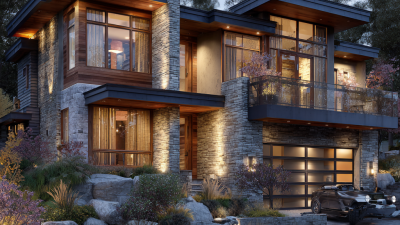
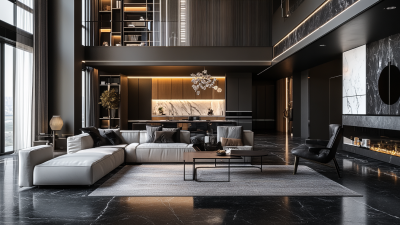
Top 10 Benefits of 3D Home Rendering You Should Know?
In the world of modern architecture, "3D Home Rendering" has transformed the way we visualize and design homes. According to a report by Statista, the global 3D rendering market is projected to reach over $10 billion by 2025. This growth reflects the increasing demand for realistic visualizations in the real estate sector. With 3D rendering, architects and designers can create stunning, lifelike images of their projects before construction begins.
The benefits of 3D Home Rendering are significant. It enhances communication between clients and designers. Clients can better understand spatial arrangements, color schemes, and materials used. However, not all renderings are flawless. Technical issues can arise, and the final output may not align with client expectations. Additionally, the software used requires constant updates, which may be a challenge for some professionals.
Ultimately, 3D Home Rendering streamlines the design process. By visualizing concepts in detail, it reduces costly changes during construction. However, it's essential to maintain a balance. Over-reliance on technology can lead to overlooking practical aspects of the design. Embracing both the creative and practical sides can further elevate the effectiveness of 3D renderings.
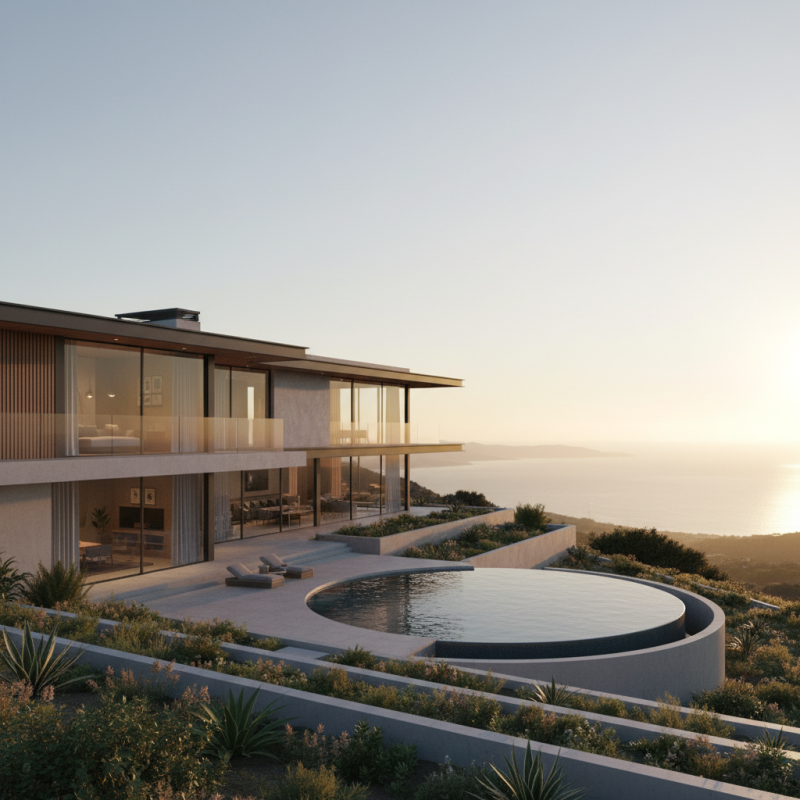
Benefits of Enhanced Visualization in 3D Home Rendering
In the world of architecture and interior design, enhanced visualization through 3D home rendering plays a crucial role. Research shows that clients are 70% more likely to engage with a design that includes realistic visual elements. This leap in engagement can streamline the decision-making process, saving valuable time for all parties involved. With immersive representations, homeowners can explore spaces as though they were physically present.
Moreover, 3D home rendering allows designers to efficiently communicate complex ideas. Data indicates that 90% of our brain processes visual information more effectively than text. This means that relying solely on sketches or blueprints can lead to misunderstandings. Feedback is often vague when clients don’t see a clear image of what they are getting. Enhanced visualization mitigates these issues, providing clarity and reducing revision cycles.
However, it’s essential not to overlook potential pitfalls. Over-reliance on 3D visuals can sometimes lead to unrealistic expectations. Clients may assume that the final product will perfectly mirror the renderings. This gap can lead to disappointment and even strain client-designer relationships. Thus, while the benefits of enhanced visualization are significant, managing client expectations remains a necessary area for reflection.
Cost-Effectiveness: Reducing Mistakes and Material Waste
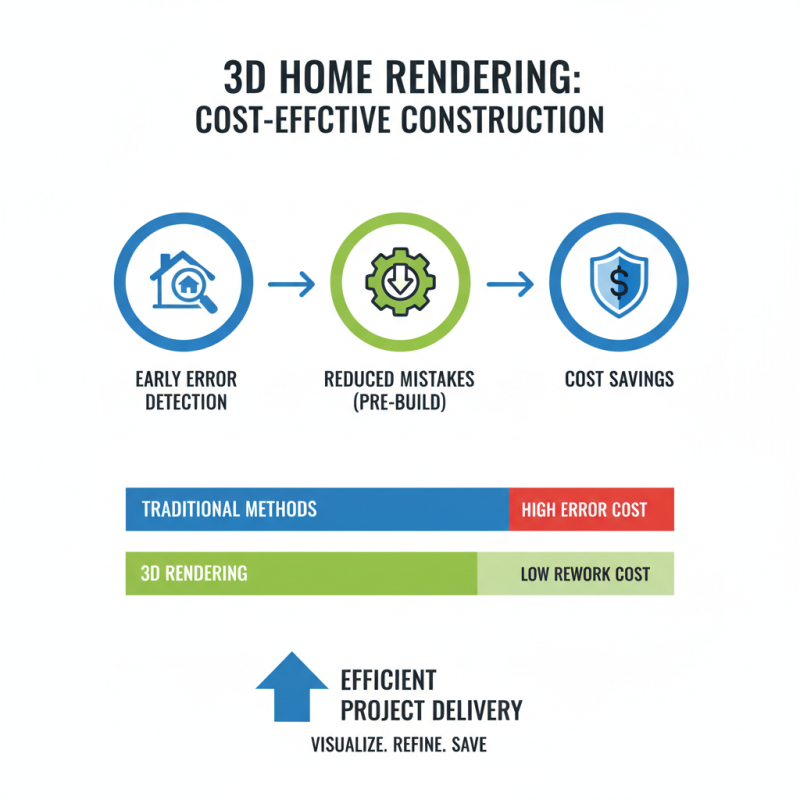
3D home rendering significantly impacts cost-effectiveness in construction projects. By creating a detailed visual representation, errors can be identified early. This reduces the risk of costly mistakes during the building phase. When designs are visualized in three dimensions, discrepancies become apparent before any physical work begins.
Material waste is another area where 3D rendering shines. It allows for precise calculations of materials required. For instance, if a wall needs to be altered, it can be adjusted in the model. This ensures that only necessary materials are ordered, minimizing surplus. However, this process isn't flawless. Misinterpretations of the 3D models can still happen, leading to unexpected issues on site.
Moreover, while 3D rendering enhances clarity, it sometimes lacks the nuances of real-life implementation. Some details might seem perfect on screen but pose challenges during actual construction. It's important to regularly review and adjust the model based on feedback from builders. This iterative approach can further reduce costs and enhance outcomes.
Improving Client Communication with Realistic Designs
In the realm of architectural design, effective communication is crucial. One of the key benefits of 3D home rendering is its ability to create realistic designs that foster better understanding. According to a report by the National Association of Realtors, 73% of buyers are more likely to engage with properties that feature 3D visuals. This suggests that clients feel more connected when they can visualize their future homes in vivid detail.
Realistic 3D renderings can bridge the gap between clients and designers. When clients see lifelike representations, they can provide clearer feedback. This saves time and minimizes misunderstandings. A study by the American Institute of Architects indicated that using visual tools can reduce revision rounds by up to 30%. However, there’s a catch—designers must also be skilled in interpreting client feedback accurately. Miscommunication can still occur if clients misread the visuals or if the design fails to meet their emotional needs.
3D rendering is not flawless. Sometimes, a design may look perfect in renderings but fall short in reality. Materials may differ, or lighting conditions may shift. It's essential for clients to understand that these visualizations are tools, not guarantees. Balancing expectations with practical realities can enhance the design process. Engaging in open dialogue about these discrepancies can ultimately lead to more satisfactory outcomes.
Top 10 Benefits of 3D Home Rendering You Should Know
Speeding Up the Design Approval Process Through 3D Renders
3D home rendering revolutionizes the design approval process. It allows clients to visualize their future spaces.
Quickly created 3D renders can address client concerns before construction begins. This can save time and reduce frustration.
Tip: Use high-quality images. They convey your ideas more effectively.
Clients appreciate seeing every detail. If the renders are not clear, misunderstandings can occur.
Be open to feedback to improve your future projects.
Renders can also highlight potential flaws. Clients might miss design issues during traditional meetings.
However, a 3D view makes these problems visible. This prompts discussions that can lead to better solutions.
Remember, not every render will be perfect. Some details might be overlooked.
Reflect on each project to enhance your rendering skills. Learning from mistakes ensures every design is better than the last.
Quality and clarity can significantly impact whether a project receives quick approval.
Boosting Marketing Strategies with High-Quality Rendered Images
In the world of real estate and architecture, high-quality rendered images are game-changers. They breathe life into ideas, showcasing designs in ways flat drawings can’t achieve. These vibrant visuals capture the imagination of potential clients. They transform a standard marketing strategy into an appealing presentation. When clients see a lifelike depiction of their future home, they are more likely to engage.
3D home rendering offers unique advantages. These detailed images highlight design elements. From textures to lighting, every aspect is considered. It creates a strong emotional connection. However, not all renderings work flawlessly. Poor quality renders can mislead or confuse potential buyers. They might fail to capture the real essence of a space. This is where reflection is necessary. Investing in top-notch visuals pays off in the long run. High-quality images stimulate interest and drive more inquiries.
Moreover, rendered images can be tailored to specific audiences. For instance, a luxurious home can be showcased to attract upscale buyers. Conversely, a cozy family home can appeal to first-time buyers. Yet, sometimes the initial vision doesn’t match the final product. Adjustments may be needed based on client feedback. This cycle of creation and revision is crucial. It helps ensure that the marketing strategy remains effective and relevant.
Top 10 Benefits of 3D Home Rendering You Should Know
| Benefit |
Description |
Impact |
| Enhanced Visualization |
Provides a realistic view of the finished project, helping clients visualize the end result. |
Improves client satisfaction and reduces revisions. |
| Increased Marketing Attractiveness |
High-quality renderings attract more attention in marketing materials. |
Boosts lead generation and conversion rates. |
| Cost Efficiency |
Identifies design flaws before construction, saving costs on potential changes. |
Reduces overall project costs. |
| Faster Approval Process |
Visual aids expedite the decision-making process with stakeholders. |
Speeds up the project timeline. |
| Better Communication |
Clear visuals help convey concepts and ideas effectively. |
Minimizes misunderstandings between clients and designers. |
| Flexibility in Design Changes |
Easy to make adjustments based on client feedback during the rendering phase. |
Enhances client involvement and satisfaction. |
| Improved Branding |
Showcase unique designs that reflect brand identity effectively. |
Strengthens market position and brand loyalty. |
| Portfolio Enhancement |
High-quality renderings can elevate the professional portfolio of architects and designers. |
Attracts potential clients and projects. |
| Competitive Advantage |
Stand out in the crowded market with sophisticated visual presentations. |
Increases winning bids and contracts. |
| Accessibility for Remote Clients |
Renderings can be shared easily with clients regardless of location. |
Facilitates collaboration and communication across distances. |