Top 10 Digital Renderings Techniques for Stunning Visuals?
Digital renderings have transformed the way we visualize ideas. They blend artistry with technology, creating stunning visuals that captivate audiences. From architecture to product design, effective digital renderings enhance storytelling and communication.
Mastering digital renderings requires a deep understanding of techniques. Each method offers unique aspects, such as lighting, texture, and perspective. However, not every attempt achieves the desired impact. Artists often face challenges in balancing creativity and technical skills. It’s important to recognize that improvement comes from practice and reflection.
Experimentation leads to breakthroughs in digital renderings. Sometimes, a single adjustment can elevate a work from ordinary to extraordinary. Artists should embrace both successes and failures. Each rendering tells a story, reflecting the artist's journey. The evolution of one's style and technique is a continuous process.
Understanding the Basics of Digital Rendering Techniques
Digital rendering techniques are essential for creating stunning visuals. Understanding the basics can enhance creativity and improve outcomes. Start by grasping the concept of 3D modeling. This involves creating a mathematical representation of an object. Artists use polygons to build shapes, but precision matters. Small errors can lead to unrealistic results.
Texture mapping adds depth to surfaces. Artists apply images to 3D models. This step requires attention; misalignments can ruin the visual. Lighting also plays a vital role. The right light source can create mood, dimension, and realism. Experimenting with shadows is equally important. They add contrast and guide the viewer's eye.
Many artists overlook the importance of rendering engines. These tools process the final output. Choices may differ in quality and speed. Sometimes, a fast render may lack detail. Mistakes like these can be frustrating. They remind us that every visual is a balance of creativity and technical skill. Continuous learning is key in this ever-evolving field.
Top 10 Digital Rendering Techniques for Stunning Visuals
Essential Software Tools for High-Quality Renderings
When creating captivating digital renderings, the right software tools are essential. They can significantly impact your final visuals. Popular choices include modeling software that allows for detailed textures and realistic shadows. These tools help in crafting intricate designs. However, even the best software won't guarantee perfection.
Learning curves can be steep, and not all features may serve your vision.
For finishing touches, consider software that specializes in lighting effects and post-processing. This can transform a basic rendering into something dynamic. However, maintaining consistency across different software can be tricky. Sometimes, workflows become disjointed. Knowing which tools to combine can save time yet lead to mistakes if you overlook compatibility.
Art is subjective, and so is the use of these tools. They should elevate your work, but they can also introduce complexity. Focusing on the basics can sometimes yield better results than trying to master every tool available.
Exploring Lighting Techniques for Realistic Visual Effects
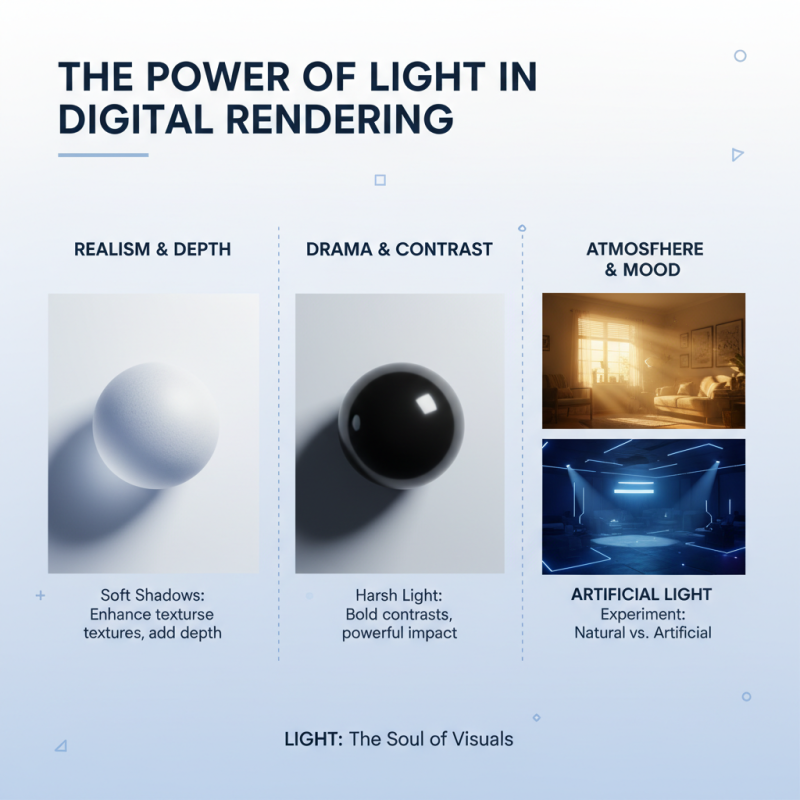
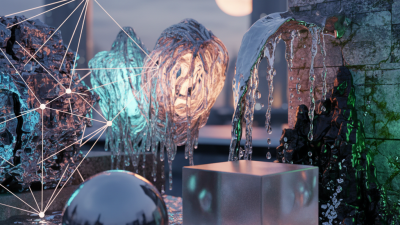
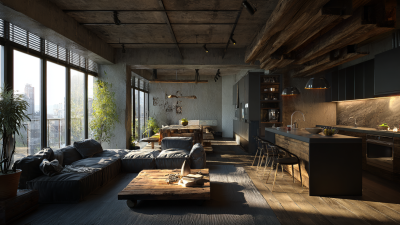
Lighting is crucial in digital rendering, playing a pivotal role in creating realism. Proper lighting techniques can bring life to your visuals. Soft shadows can enhance textures, while harsh light creates dramatic contrasts. Experimenting with various lighting angles can yield surprising effects. Natural light versus artificial light can dramatically change the atmosphere.
Consider the emotional impact of light. A warm, golden glow can evoke feelings of comfort. In contrast, cool, stark lighting may convey tension or unease. It’s essential to balance light intensity and color temperatures. Shadows can add depth but can sometimes overpower details. Find the right blend for your project.
Avoid relying solely on one type of lighting. Mixing light sources can lead to complexity. The goal is to highlight key elements while maintaining visual harmony. Reflective surfaces should be treated with care; they can distort the light and create unwanted artifacts. Remember, perfection is not the goal; sometimes, imperfections add character. Keep pushing boundaries, and don't shy away from mistakes.
Integrating Texturing Methods for Enhanced Realism
Texturing plays a crucial role in digital renderings, adding depth and realism to visuals. By carefully selecting textures, artists can create lifelike surfaces. For example, an old wooden table should look rough and have imperfect grains. These small details can significantly enhance the viewer's experience.
One useful tip is to experiment with different texture maps. Utilize diffuse, specular, and normal maps to provide a well-rounded representation of surfaces. Each map serves a unique purpose, contributing to the overall look. Consider using photos of natural materials as references. Ensure they reflect real-world imperfections, which will make your work feel more authentic.
Don't shy away from adding dirt or wear to your textures. Real-life objects often have scuffs and scratches. This can make your renderings more believable. Lastly, analyze your textures under various lighting conditions. Sometimes, they can appear vastly different based on light. Keep refining until you achieve the desired realism.
Top 10 Digital Renderings Techniques for Stunning Visuals
| Technique |
Description |
Texturing Method |
Realism Level |
| Ray Tracing |
Simulates light behavior for realistic shadows and reflections. |
PBR (Physically Based Rendering) |
High |
| Global Illumination |
Accounts for indirect light to enhance scene realism. |
Ambient Occlusion |
High |
| Subdivision Surface |
Creates smooth surfaces by subdividing polygonal meshes. |
Bump Mapping |
Medium |
| Post Processing |
Enhances visuals through effects like bloom and motion blur. |
Specular Maps |
Medium |
| Texture Painting |
Directly paint textures onto 3D models for detail. |
Diffuse Maps |
High |
| Particle Systems |
Simulates natural phenomena like fire, smoke, and rain. |
Opacity Maps |
Medium |
| Shader Programming |
Custom shaders for unique visual effects and surface properties. |
Normal Maps |
High |
| 3D Scanning |
Captures real-world objects for accurate digital replication. |
Multi-Texture Layers |
High |
| Lighting Techniques |
Utilizes various light sources to create mood and depth in visuals. |
Light Maps |
Medium |
| Frame-by-Frame Animation |
Creates dynamic scenes with intricate movements. |
Texture Atlas |
Medium |
Advanced Post-Processing Tips for Stunning Final Images
Post-processing is crucial for achieving stunning visuals in digital renderings. It transforms a good image into a breathtaking one. Focus on color correction first. Adjust hues and saturation to enhance the mood. Sometimes, too much saturation can look unnatural. Aim for balance. Subtle changes often yield the best results.
Another vital technique is adding depth through shadows and highlights. Proper lighting can create a three-dimensional feel. Ensure shadows are soft; harsh shadows can ruin the effect. Don't forget about texture. Overlooking minor details can lead to an unrealistic final image. Textures add richness, but too many can clutter your composition.
Fine-tuning is essential. Zoom in on details, and inspect every aspect. Look for imperfections. Does the image feel lifelike? If not, reconsider your adjustments. Sometimes stepping away helps. A fresh pair of eyes can reveal unnoticed flaws. Ultimately, the goal is to create an engaging image that draws the viewer in, balancing realism with artistic flair.