

Inquiry
Form loading...
conatctz48
contact US

Top 10 Questions About 3D Home Rendering You Need to Know

In recent years, the field of architecture and design has undergone a significant transformation, largely due to the advent of 3D home rendering technology. This innovative approach allows architects, designers, and homeowners to visualize their spaces in a lifelike manner before construction begins. As interest in 3D home rendering continues to grow, many common questions arise regarding the process, benefits, and limitations of this advanced technique.

Understanding the intricacies of 3D home rendering can empower clients to make informed decisions about their projects, ensuring that their visions are accurately represented. This article aims to address the top ten questions surrounding 3D home rendering, providing insights into how it works, the different styles and techniques available, and how it can facilitate better communication between stakeholders. By exploring these essential queries, readers will gain a clearer perspective on the value of incorporating 3D home rendering into their design endeavors.
Top 10 Questions About 3D Home Rendering You Need to Know

Understanding the Basics of 3D Home Rendering Technology
Top 10 Questions About 3D Home Rendering You Need to Know

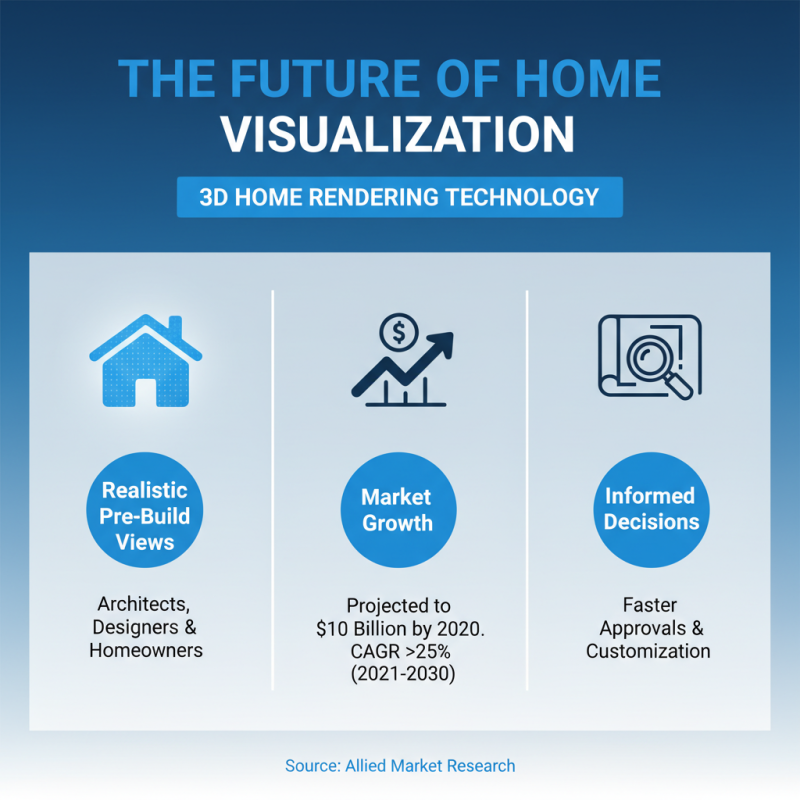
3D home rendering technology has revolutionized the way architects, designers, and homeowners visualize residential spaces. By using sophisticated software, professionals can create highly detailed and realistic images of homes before they are built. According to a recent industry report by the Allied Market Research, the 3D visualization market, including rendering services, is projected to reach over $10 billion by 2030, growing at a CAGR of more than 25% from 2021. This growth signifies the increasing demand for immersive visual experiences in the real estate sector, allowing stakeholders to make informed decisions earlier in the design process.

Fundamentally, 3D rendering involves the transformation of 2D blueprints into lifelike representations by simulating real-world lighting, textures, and materials. This technology ensures that potential buyers can envision a space's look and feel, significantly enhancing their engagement and connection to a property. A survey conducted by the National Association of Realtors found that 77% of homebuyers found it easier to visualize a property after seeing a 3D rendering, emphasizing its critical role in the buying process. The ability to present a realistic view also leads to quicker sales and fewer misunderstandings regarding design intentions, further solidifying the importance of 3D home rendering in contemporary real estate practices.

Key Benefits of Using 3D Rendering in Home Design

In the competitive landscape of home design, leveraging 3D rendering technology has revolutionized the way architects and designers communicate their visions to clients. One of the key benefits of using 3D rendering is its ability to provide highly realistic visualizations. A survey conducted by the National Association of Realtors found that 81% of home buyers found it easier to visualize a property when it was presented in 3D, significantly increasing engagement levels. This immersive experience allows clients to explore potential spaces more thoroughly than traditional 2D blueprints, facilitating informed decision-making.

Additionally, 3D rendering enhances the design process by enabling rapid iterations and modifications. According to a report by MarketsandMarkets, the global 3D visualization market is projected to reach $8.1 billion by 2025, showcasing a growing reliance on visual communication in the architecture sector. Designers can quickly update designs based on client feedback, allowing for a more collaborative approach. This not only saves time but also reduces costs associated with physical models and on-site revisions.

Ultimately, the strategic incorporation of 3D rendering strengthens client relationships and streamlines project workflows, making it an indispensable tool in modern home design.

Common Software Options for 3D Home Rendering

When it comes to 3D home rendering, selecting the right software is crucial for achieving stunning visualizations. Numerous options are available on the market, each offering unique features tailored to different needs. For those seeking user-friendly interfaces, some software emphasizes intuitive design tools that allow even beginners to create comprehensive 3D models with ease. These programs often include libraries filled with pre-existing assets that can be dragged and dropped into projects, significantly streamlining the design process.

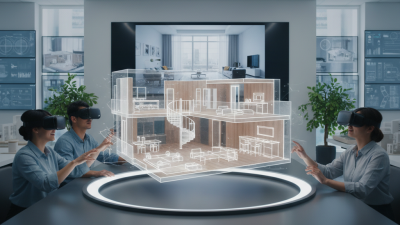
On the more advanced end, some software is designed for professionals looking to push the boundaries of what is possible in home rendering. These options typically come equipped with powerful rendering engines capable of producing photorealistic images and animations. They also offer extensive customization options, enabling users to tweak materials, lighting, and environmental settings to achieve their desired look. Additionally, some applications incorporate features that support virtual and augmented reality, allowing designers to create immersive experiences for clients, thus enhancing the presentation of projects in a compelling way. Choosing the right software ultimately depends on a combination of project requirements, budget, and user expertise.

Frequently Asked Questions About 3D Rendering Costs

When considering 3D home rendering, one of the most common concerns is the cost involved. The pricing can vary significantly based on multiple factors such as the project's complexity, the quality of the rendering, and the experience of the rendering service provider. For basic 3D renderings, costs can start at a few hundred dollars, while more elaborate projects that require intricate details and high-quality visuals can escalate to thousands of dollars. Clients should evaluate their specific needs and budget when exploring options, as a clear understanding of the desired outcome can help in obtaining accurate quotes.

Additionally, understanding the specific components that contribute to the overall cost is essential. Factors such as the size and scope of the project, the level of detail required, and the timeline for delivery can all influence pricing. Many companies offer packages that may include additional features like animations or virtual tours, which can also affect the price. Therefore, prospective clients are encouraged to communicate openly with rendering professionals to explore the best solutions tailored to their budget and project requirements.

Top 10 Questions About 3D Home Rendering You Need to Know - Frequently Asked Questions About 3D Rendering Costs

Question Answer Average Cost (USD)
What is 3D home rendering? 3D home rendering is the process of creating a three-dimensional representation of a home using specialized software. $800 - $2,000
How long does it take to complete a 3D rendering? Typically, it takes between 5 to 15 days, depending on the complexity of the project. N/A
What factors affect the cost of 3D rendering? Cost factors include project complexity, level of detail required, and the experience of the renderer. N/A
Can I get a 3D rendering of an existing home? Yes, existing homes can be rendered using photos and measurements for accurate modeling. $600 - $1,800
What file formats are used for 3D renderings? Common formats include JPG, PNG, OBJ, and FBX. N/A
Is it possible to modify a 3D rendering after it's been created? Yes, modifications can be made to the rendering based on feedback or new ideas. $200 - $500
Will I own the rights to my 3D rendering? Typically, clients retain ownership after payment, but confirm with your renderer. N/A
Can 3D renderings help with marketing my property? Yes, high-quality renderings can attract potential buyers and enhance marketing materials. N/A
What software is commonly used for 3D rendering? Popular software includes SketchUp, Blender, 3ds Max, and V-Ray. N/A

Tips for Effective Communication with 3D Rendering Professionals

Effective communication is key when collaborating with 3D rendering professionals. Start by clearly defining your vision and expectations. This involves providing detailed descriptions of your project, including specific features and styles you want to incorporate. Visual aids, such as sketches or reference images, can significantly enhance your ability to convey ideas and ensure everyone is on the same page. The more precise the information you provide, the better the outcome of the rendering will be.

Additionally, establish a regular check-in schedule to discuss progress and provide feedback. Engaging in ongoing dialogue allows for adjustments to be made in real time and helps to avoid costly misunderstandings later in the process. It’s important to foster a collaborative atmosphere where both parties feel comfortable expressing their thoughts and concerns. By prioritizing open communication, you can build a strong working relationship that leads to stunning and effective 3D renderings that meet your project goals.

Name(required)

Message(required)

VISIT US

GuangZhou

Room 2301, building A, poly zhongyu plaza, no. 626 tianhe north road, guangzhou, China

Phone/WhatsApp

+86 13392497798

Email

lights@chinarendering.com