Top 10 Real Estate Rendering Techniques for Stunning Property Visuals
In the competitive world of real estate, captivating visuals are paramount to attracting potential buyers and investors. Real Estate Rendering has emerged as an essential tool in creating stunning and immersive representations of properties. Whether dealing with residential, commercial, or mixed-use developments, employing effective rendering techniques can help highlight the unique features and selling points of each property, ultimately enhancing its appeal.
This article delves into the top 10 Real Estate Rendering techniques that can transform standard property visuals into extraordinary showcases. From 3D modeling and photorealistic imagery to virtual reality experiences, these innovative methods not only serve to present properties in their best light but also facilitate better decision-making for clients. As the real estate market continues to evolve, mastering these rendering techniques will not only elevate marketing strategies but also provide a competitive edge, ensuring properties stand out in a crowded marketplace.
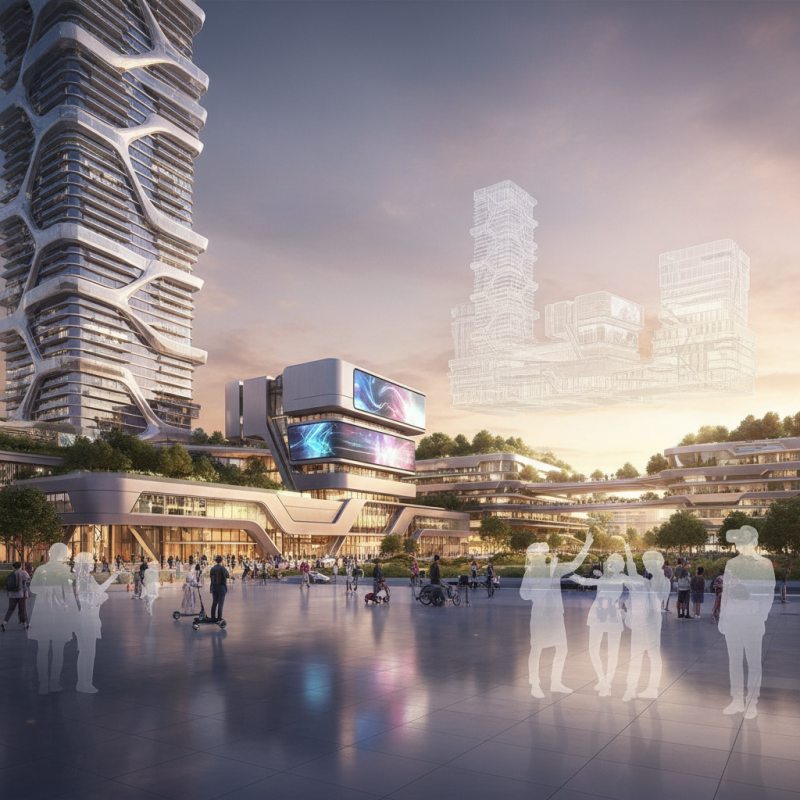
Understanding Real Estate Rendering: An Overview of Techniques
Real estate rendering is a critical component in showcasing properties effectively, providing potential buyers with immersive and visually appealing representations of homes and developments. Various techniques have emerged to enhance the realism and aesthetic quality of these renderings, enabling real estate professionals to communicate their visions more effectively. Understanding these techniques is essential for creating engaging visuals that can capture attention and facilitate quicker sales.
One popular technique is the use of photorealistic rendering, which combines advanced software with high-resolution textures to produce images that closely mimic real life. This method often incorporates natural lighting, shadows, and reflections to enhance the overall realism of the visual. Another key technique is virtual staging, where digital elements are added to empty spaces, allowing buyers to envision how rooms can be utilized. This approach not only saves time and resources but also offers a clear demonstration of each space’s potential, making it a valuable tool in contemporary real estate marketing.
Furthermore, 3D animations and walkthroughs have gained traction in the industry by providing a dynamic view of properties. These tools allow prospective buyers to experience a property as though they are physically present, offering a comprehensive look at the layout and flow of the space. By leveraging these advanced rendering techniques, real estate professionals can create captivating visuals that not only highlight a property’s features but also facilitate emotional connections, ultimately enhancing the likelihood of a successful sale.
Top 10 Real Estate Rendering Techniques for Stunning Property Visuals
| Technique |
Description |
Best Use Case |
Average Time to Render |
| 3D Rendering |
Creates photorealistic images using 3D models. |
Marketing and presentations. |
4-6 hours |
| Virtual Reality (VR) |
Immersive experience allowing users to walk through properties. |
Showcasing properties to clients remotely. |
1-2 days |
| Augmented Reality (AR) |
Superimposes digital content on the real world. |
Interactive property tours. |
2-4 hours |
| 2D Floor Plans |
Plan view of property layout with dimensions. |
Initial design discussions. |
1-2 hours |
| Drone Imaging |
Aerial shots that provide an overview of the property. |
Large estates and lots. |
Varies by location |
| Lighting Effects |
Simulates natural and artificial light within the render. |
Enhancing mood and ambiance. |
2-3 hours |
| Post-Processing |
Final touch-ups after rendering for enhanced visuals. |
Final presentation outputs. |
2-5 hours |
| Virtual Staging |
Furniture and decor added digitally to empty spaces. |
Marketing of vacant properties. |
2-4 hours |
| Panoramic Renders |
360-degree views of rooms or properties. |
Showcasing entire spaces. |
3-5 hours |
| Conceptual Renderings |
Artistic impressions of new developments. |
Initial project presentations. |
Varies |
The Importance of High-Quality Visuals in Real Estate Marketing
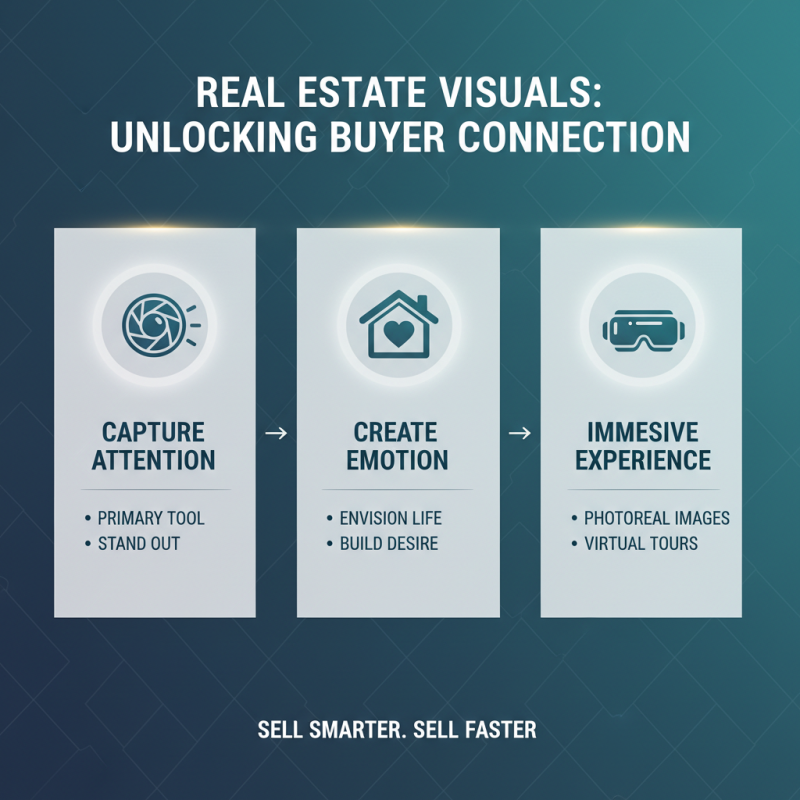
High-quality visuals play a crucial role in real estate marketing, as they serve as the primary tool for capturing the attention of potential buyers. In a competitive market, where numerous properties vie for attention, having stunning visuals can make all the difference. These visuals not only provide a glimpse of the property but also create an emotional connection, helping buyers envision their lives in the spaces being presented. Effective rendering techniques, from photorealistic images to virtual tours, can transform a simple listing into an immersive experience that draws in prospective clients.
Furthermore, high-quality visuals enhance the storytelling aspect of real estate marketing. By showcasing a property’s unique features and the lifestyle it offers, visuals can evoke feelings of desire and aspiration among viewers. They can effectively highlight the benefits of the location, the design elements, and the overall appeal, making the property unforgettable in the eyes of potential buyers. As the market continues to evolve, investing in innovative rendering techniques will be essential for real estate professionals aiming to stand out and leave a lasting impression.
Top Techniques for 3D Rendering in Real Estate Presentations
In the competitive world of real estate, captivating visuals can make a significant difference in marketability. According to the National Association of Realtors, listings with high-quality 3D renderings can experience a 70% increase in buyer engagement compared to those with standard photos. This statistic underscores the importance of adopting cutting-edge 3D rendering techniques in real estate presentations. Techniques such as photorealistic rendering, virtual staging, and immersive virtual reality environments are becoming essential tools for agents seeking to showcase properties in their best light.
Furthermore, a study by the Visual Data Media Group revealed that 3D renderings can reduce the time a property stays on the market by up to 30%. With the right approach, real estate professionals can create not only stunning property visuals but also give potential buyers a realistic sense of space and design. Techniques such as using detailed textures, accurate lighting simulations, and interactive walkthroughs amplify the user experience, making it easier for prospective buyers to visualize themselves in the space. By investing in these advanced rendering techniques, agents and developers can significantly enhance their marketing strategies and drive more successful sales outcomes.
Top 10 Real Estate Rendering Techniques
This bar chart illustrates the effectiveness of different rendering techniques used in real estate presentations, based on user feedback and visual appeal ratings.
Using Virtual Reality to Enhance Property Visualizations
Virtual Reality (VR) has transformed the way we visualize real estate properties, offering immersive experiences that traditional methods simply cannot match. By simulating realistic environments, VR allows potential buyers to not only see a property but to experience it as if they were actually there. This immersive technology goes beyond standard 2D renderings, providing a spatial understanding that is crucial for decision-making in real estate investments.
Tip: When creating VR visuals, focus on high-quality 3D models and textures. Ensure that lighting and shadows accurately reflect the ambiance of the property; this enhances realism and keeps potential buyers engaged.
Additionally, integrating VR into property marketing can significantly boost client engagement. It allows for virtual tours at any time, making properties accessible to a wider audience, regardless of their location. This approach can help real estate agents stand out in a competitive market, offering a unique way for clients to explore multiple listings without the need for physical travel.
Tip: Incorporate interactive elements in your VR presentations, such as clickable hotspots or options for customizing room layouts. This not only makes the experience more engaging but also allows clients to envision how they might personalize the space.
Integrating Augmented Reality into Real Estate Renderings
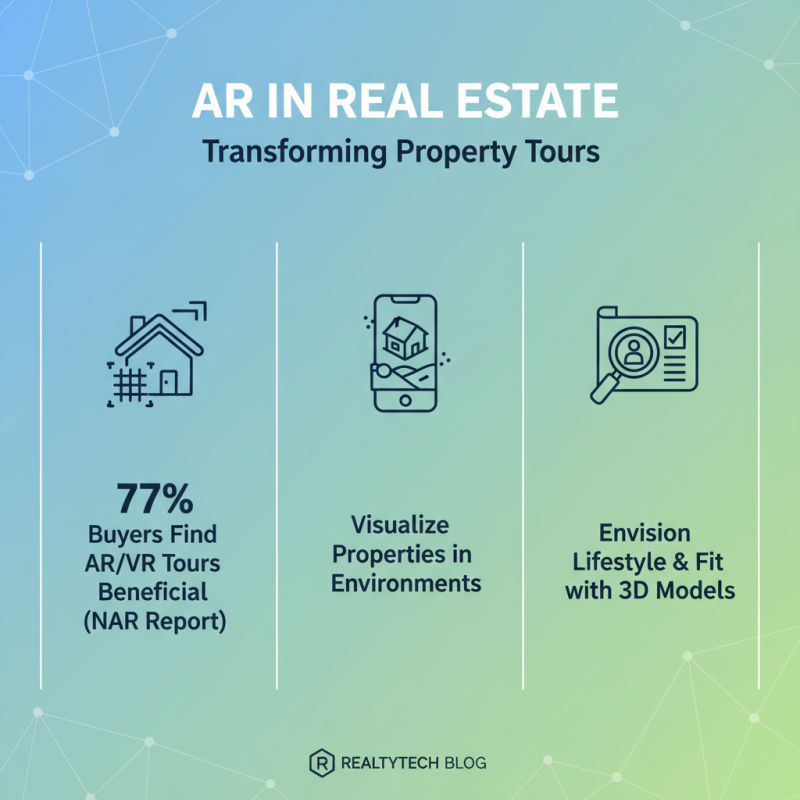
Augmented reality (AR) has emerged as a transformative tool in the real estate sector, enhancing the way properties are marketed and experienced by potential buyers. According to a report by the National Association of Realtors, 77% of buyers found virtual tours and AR experiences to be beneficial when searching for homes. This technology allows clients to visualize properties in their actual environments, bridging the gap between physical space and digital representation. By superimposing 3D models onto real-world locations, AR can help buyers envision how a property would fit into their lifestyle and preferences.
The integration of AR into real estate renderings not only improves client engagement but also accelerates the decision-making process. A study by the Association of Real Estate Professionals indicated that listings using AR technology saw a 20% increase in sales inquiries compared to traditional media. This immersive experience can enable potential buyers to take virtual walks through homes, customize layouts, and even visualize different design elements, making properties more appealing. As the technology continues to evolve, its influence on property visualization is likely to expand, setting new standards for marketing strategies in the real estate industry.