Top Real Estate Rendering Techniques for Stunning Visuals?
Real Estate Rendering has transformed the property market, becoming an essential tool for developers and realtors. According to a 2022 report by IBISWorld, the demand for high-quality visual representations in real estate has grown by 35% in the past five years. As competition intensifies, stunning visuals can significantly enhance property listings, attracting potential buyers faster.
Advanced techniques like 3D visualization and virtual reality immerse viewers in realistic environments. This accuracy in rendering encourages buyers to envision themselves in new spaces. However, the effectiveness of these techniques hinges on the quality of the rendering itself. Source feedback reveals that about 30% of clients feel misled by overly polished visuals that don't match reality. This gap underscores the need for honesty in presentation.
Balancing creativity and reality is vital in Real Estate Rendering. While innovative methods can provoke interest, they can also lead to disappointment if expectations are not met. As technology evolves, the challenge remains: how to produce stunning visuals while ensuring representation aligns with actual properties. Ensuring transparency is crucial for building trust in a fluctuating market.

Overview of Real Estate Rendering Techniques
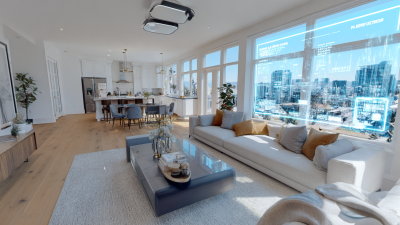
Real estate rendering has evolved. It plays a crucial role in presenting properties effectively. Various techniques exist, each with unique advantages. Photorealistic rendering is one popular method. It creates detailed, lifelike visuals. This technique includes accurate lighting, textures, and materials. The result is eye-catching images that capture a property’s essence.
Another significant approach is 3D modeling. This technique showcases spatial arrangements and designs. It helps potential buyers visualize the layout without physical presence. Simple models can be effective but require attention to detail for maximum impact. Ensuring the model aligns with reality is vital for credibility.
Virtual tours have gained traction recently. They allow users to explore spaces interactively. This method can enhance understanding but may lack the polish of traditional renderings. There are challenges in creating seamless experiences. Techniques must be continually refined to meet evolving demands. Each rendering method has its strengths and weaknesses, and understanding these nuances is key for effective visual storytelling.
Importance of High-Quality Visuals in Real Estate Marketing
High-quality visuals are crucial in real estate marketing. They can significantly impact the buyer's decision-making process. According to the National Association of Realtors, homes with high-quality images sell 32% faster than those without. Stunning visuals create an emotional connection. They help potential buyers visualize living in the space.
Additionally, listings featuring 3D renderings or virtual tours generate 300% more engagement compared to standard photos. This statistic highlights how immersive experiences can captivate the audience. However, not all visuals deliver the desired effect. Poorly executed images or misleading renderings can frustrate potential buyers. This can lead to distrust, affecting the overall credibility of the listing.
Investing in professional rendering techniques pays off. Quality visuals attract serious buyers. They showcase the property's best features. However, real estate professionals must continually assess their visual strategies. A focus on improvement is essential. Even minor adjustments to lighting or staging can enhance the overall presentation and effectiveness of the visuals.
Key Software and Tools for Real Estate Rendering
When it comes to creating stunning visuals in real estate, the right software and tools are crucial. Many professionals utilize various rendering techniques to bring their projects to life. The software you choose can impact not only the quality of your visuals but also your workflow and productivity. Understanding the capabilities of each tool adds to your efficiency.
Popular techniques include ray tracing and global illumination. These methods enhance realism by simulating light behavior in a space. However, mastering them requires time and practice. Beginner users may feel overwhelmed by the learning curve. Focus on one technique at a time to build your skills gradually.
Renderings can be tedious and sometimes frustrating. Missing details can detract from the final product. Regularly seek feedback to identify areas for improvement. This process ensures that your visuals stay relevant and aligned with industry standards. Investing time in learning will pay off in creating compelling presentations that resonate with potential buyers.
Standard Rendering Techniques and Their Applications
Standard rendering techniques play a crucial role in real estate visualizations. These techniques help convey concepts effectively. Common methods include photorealistic rendering, 3D visualization, and interactive walkthroughs. According to a recent industry report, 80% of real estate professionals believe that high-quality visuals can significantly impact buyer decisions.
Photorealistic rendering creates lifelike images. It uses advanced software to simulate light, materials, and textures. This technique enhances project presentations. It can lead to a 20% increase in project interest, as reported by a leading architectural firm. While photorealistic rendering has its merits, it can be time-consuming and expensive.
3D visualization is more flexible and quicker. It allows for various design alterations with minimal effort. Interactive walkthroughs provide immersive experiences. They let potential buyers explore properties remotely, which can save time for agents and clients. Despite its advantages, some users may struggle with the technology. Ensuring ease of use is essential.
Tips: Focus on the key features of your designs. Prioritize clarity over complexity. Providing realistic visuals might enhance your project's appeal, but always ensure they accurately represent the final product. High-quality visuals are important, but they should not replace strong narratives about the project.
Emerging Trends in 3D Rendering for Real Estate
In recent years, the real estate industry has witnessed a significant shift towards advanced 3D rendering techniques. This evolution is largely driven by new technologies that enhance visual storytelling. Artists now utilize real-time rendering engines, providing immersive experiences that traditional methods often lack. High-resolution textures and dynamic lighting make properties come alive, allowing potential buyers to visualize their future homes in stunning detail.
Another notable trend is the integration of virtual reality (VR) into real estate presentations. Clients can now take virtual tours, experiencing spaces as if they were physically there. This not only saves time but also enhances engagement. However, challenges exist. Ensuring that the rendered visual is true to the actual property can sometimes lead to discrepancies that mislead clients. Balancing artistic creativity with realistic representation remains a key area of reflection for professionals in the field.
Moreover, the rise of AI-driven tools is changing the landscape further. These innovations offer quick and efficient solutions for rendering tasks. Yet, they risk sacrificing the artist's touch that brought uniqueness to past projects. As technology progresses, it raises the question: how do we retain authenticity in an increasingly automated world? The pursuit of jaw-dropping visuals must not overshadow the essence of what makes a property truly appealing. The debate continues among industry leaders.