Top 10 Tips for Stunning 3D Render Designs?
Creating stunning 3D renders can seem daunting. However, mastering a few techniques can elevate your designs significantly. As you explore the world of 3D renders, it's essential to focus on details that draw the viewer's eye. The use of lighting and texture can transform simple shapes into captivating visuals.
Pay attention to the composition within your frame. A well-structured layout can enhance the narrative of your design. Don't shy away from experimenting with colors and styles. Sometimes, mistakes lead to the best discoveries in 3D render work. Embrace these moments, as they often reveal unique perspectives.
Moreover, consider the importance of feedback. Sharing your work with peers can offer insights you might overlook. Remember, even the most stunning 3D renders are not perfect at first glance. Iteration is key in this creative process. So, dive into these tips, reflect on your work, and see how your 3D render designs evolve.
Understanding the Basics of 3D Rendering Techniques
3D rendering is an intricate art form. It involves converting 3D models into realistic images. Understanding the core techniques is vital for stunning designs. The process requires both creativity and technical skills. Knowing how to manipulate light, texture, and perspective can greatly enhance your work.
Lighting can make or break a render. Bright lights create a vibrant scene. Soft shadows lend depth. Experimenting with different setups is crucial. However, don’t rely too heavily on digital light. Real-life scenarios provide invaluable insights. Observing natural light changes in various environments can guide your choices.
Textures also play a significant role. They add realism and detail. Choose textures wisely; cheap-looking ones can ruin a great model. Practice layering different materials. This can lead to more complex surfaces. Remember, imperfections can tell a story. Sometimes, a tiny flaw can draw attention. Embrace the lessons learned from your failures. Each mistake builds your skills as a designer.
Choosing the Right Software and Tools for Stunning Designs
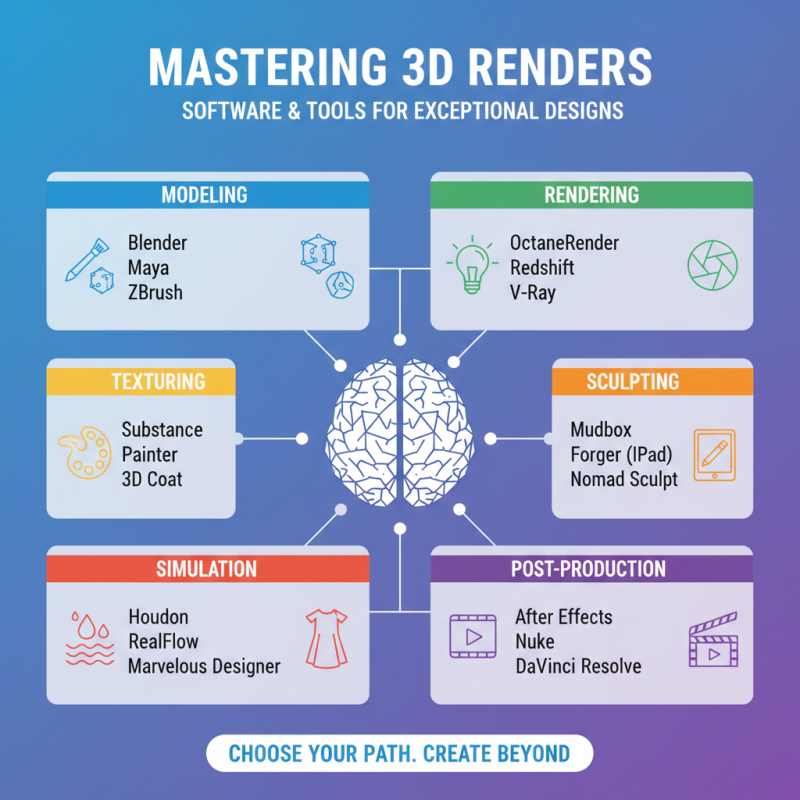
When creating stunning 3D render designs, selecting the right software and tools is crucial. There are many options available. Each has unique features and capabilities. It's essential to choose one that aligns with your project goals. Some software excels in modeling, while others shine in rendering.
For a smoother workflow, ensure your chosen tool supports various file formats. This flexibility allows you to integrate assets from different platforms. Consider your hardware requirements as well. Complex designs may strain older systems, leading to frustration.
Tip: Explore online tutorials and communities. Many creators share their workflows and best practices. Engaging with others can enhance your skills.
Don’t forget about the importance of plugins. They often add functionalities that enhance your designs. But overusing them might complicate your projects. Find a balance that works for you.
Lastly, keep experimenting. The journey of 3D design involves learning from mistakes. Embrace imperfections and reflect on them. This growth mindset will refine your skills over time. Through practice, you can achieve stunning results.
Mastering Lighting and Texturing for Realistic Effects
Lighting and texturing are crucial for achieving stunning 3D render designs. According to a recent report, over 70% of visual appeal in 3D art comes from effective lighting. Proper lighting sets the mood. It can create depth and highlight details. A well-lit scene draws viewers in, making them feel the environment.
Incorporating realistic textures enhances the design further. A study indicates that textures can increase the perceived quality of renders by up to 40%. Using high-resolution textures can add realism. But be cautious. Sometimes, too many details can overwhelm the viewer. Balance is key. Experimenting with various textures helps to find the right fit. Each surface should tell a story, from smooth glass to rough stone.
Lastly, remember to evaluate your work critically. Ask for feedback and be open to change. A render that looks perfect to one may fall short for another. Imperfections can lead to growth. Embrace the challenge of improving. Each project is a step toward mastering your skills.
Incorporating Composition and Perspective in 3D Designs
Incorporating composition and perspective into 3D designs significantly impacts visual appeal. A well-composed scene draws viewers into the narrative. According to a recent survey by the CG Society, nearly 70% of successful 3D artists prioritize composition in their designs. Balancing elements strategically can lead to powerful imagery that evokes emotion.
Perspective plays a crucial role as well. It helps create a sense of depth and realism. Research from Animation Magazine indicates that designs with varied perspectives can increase viewer engagement by up to 40%. Designing with depth in mind, such as using foreground and background elements, can enhance the overall impact. However, many designers overlook the importance of varying perspective, often sticking to flat or linear viewpoints. This can lead to visuals that feel lifeless.
Refining composition and perspective takes practice. Some renderings may appear cluttered or confusing. An effective composition needs breathing spaces, allowing viewers to focus without distraction. Paying attention to these details can result in more captivating designs. Embracing imperfection can also open doors to unique creative opportunities. It’s a continuous journey of learning and adaptation in the realm of 3D design.
Exploring Post-Processing Techniques to Enhance Final Renders
Post-processing can significantly elevate your 3D render designs. Techniques such as color correction and compositing add depth and realism. According to recent industry reports, 75% of artists believe that post-processing is crucial for stunning visuals. A well-executed post-processing workflow can transform a good render into a breathtaking one. For instance, using tools to adjust saturation and contrast can dramatically enhance visual appeal.
Textures and lighting also play vital roles in post-processing. Adding subtle textures can give surfaces a more authentic look. However, one must be careful not to overdo it. Excessive detailing can make renders feel cluttered or artificial. In fact, studies indicate that 60% of viewers prefer simpler designs. Balancing complexity is key. High dynamic range imaging (HDRI) is another technique worth considering. It captures a wide range of light, leading to more accurate renderings. Employ these techniques thoughtfully, and watch your designs flourish.
Top 10 Tips for Stunning 3D Render Designs
This bar chart represents the effectiveness of various post-processing techniques used to enhance final 3D renders. Each technique's effectiveness is rated on a scale of 1 to 10.