2026 Top Trends in 3D House Rendering for Global Buyers?
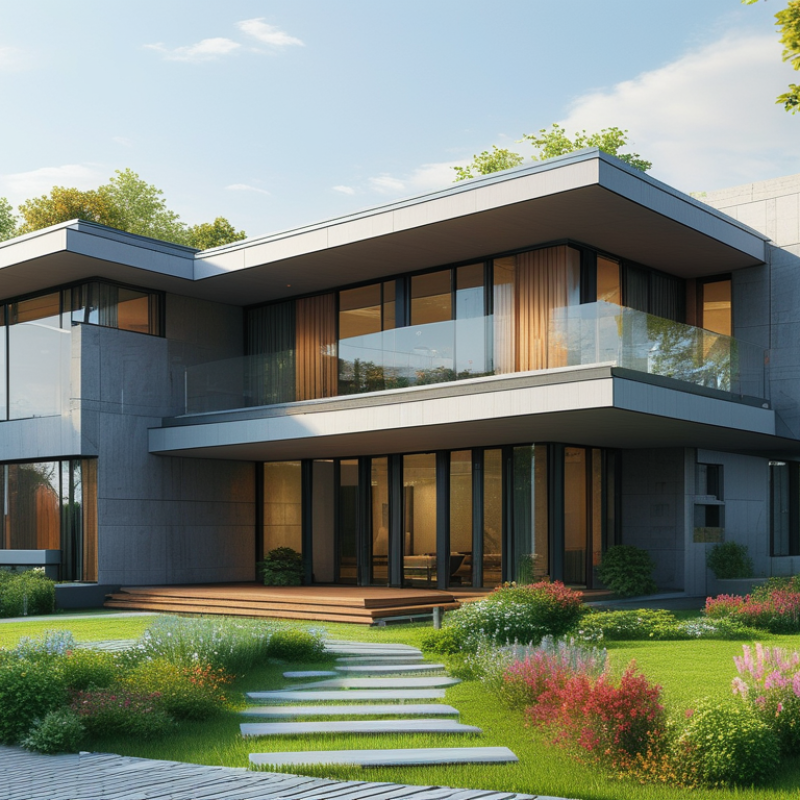
In the evolving world of architecture, "3D house rendering" stands out. This technology transforms blueprints into stunning visualizations. As global buyers seek innovative homes, these renderings offer a glimpse into potential realities.
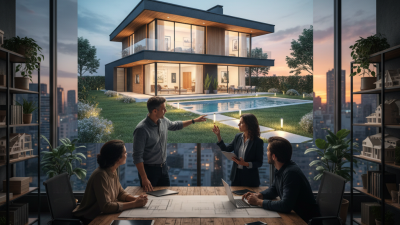
The top trends of 2026 will reflect the growing demand for personalization and sustainability. Buyers want unique designs that align with their lifestyles. Advanced rendering helps capture these desires effectively. It allows clients to see changes in real-time, enhancing collaboration with architects.
However, challenges remain in achieving perfect accuracy. Sometimes, renderings may not match the final structure. As the industry grows, so does the need for improvement. It's essential to continually refine techniques and address these gaps. After all, even the best tools can lead to misinterpretations.
Emerging Technologies in 3D House Rendering for Buyers
The landscape of 3D house rendering is evolving rapidly. According to a recent report by MarketsandMarkets, the global 3D visualization market is expected to reach over $6 billion by 2026. This growth is driven by advancements in technologies such as augmented reality (AR) and virtual reality (VR). Buyers today want to visualize properties before committing. AR and VR provide immersive experiences, allowing them to "walk" through homes from anywhere.
Emerging technologies like real-time rendering are reshaping how properties are presented. The use of 3D rendering software enables architects and designers to create accurate, lifelike images faster than before. According to Statista, nearly 45% of home buyers prefer seeing 3D visualizations over traditional blueprints. However, these technologies also demand high levels of technical skill. Many professionals face challenges in mastering new tools, leading to inconsistencies in renderings.
Additionally, AI-driven design tools are beginning to make an impact. These solutions can analyze trends and buyer preferences in real-time. This innovation opens new avenues for customization. Yet, reliance on AI raises questions about creativity and artistic input. The balance between technology and human touch remains a point of reflection for industry professionals.
2026 Top Trends in 3D House Rendering for Global Buyers
| Trend |
Description |
Impact on Buyers |
Emerging Technologies |
Adoption Rate (%) |
| Virtual Reality Integration |
Immersive experiences through VR headsets for virtual house tours. |
Enhanced decision-making and reduced travel costs. |
VR Headsets, 360° Videos |
75% |
| Real-time Rendering |
Fast rendering time enables immediate feedback on design changes. |
Improved collaboration between buyers and designers. |
Cloud Computing, Advanced GPUs |
68% |
| Augmented Reality Features |
Overlaying digital designs onto physical spaces via AR apps. |
Greater visualization, allowing buyers to envision properties better. |
AR Apps, Mobile Devices |
70% |
| AI-Powered Design Optimization |
Utilizing AI to suggest design elements based on buyer preferences. |
Tailored designs leading to higher satisfaction. |
Machine Learning Algorithms |
60% |
| High-Quality Textures and Materials |
Use of realistic textures for a true-to-life experience. |
Increased confidence in the purchasing decision. |
Digital Fabrication Technologies |
80% |
Key Aesthetic Trends Influencing 3D House Renderings
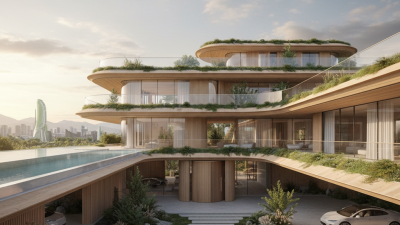
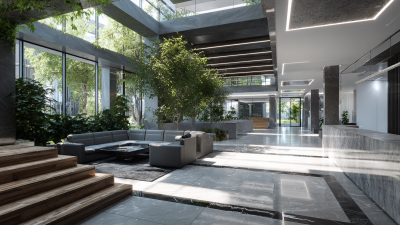
In recent years, 3D house rendering has evolved significantly, reflecting key aesthetic trends that captivate global buyers. Real estate professionals reported that 89% of homebuyers find photos more useful than descriptions. This statistic underscores the importance of vivid, engaging visuals in 3D renderings. Notably, the rise of eco-friendly designs is shaping how properties are presented. Biophilic elements, such as green walls and natural lighting, are increasingly featured. Buyers appreciate spaces that connect to nature, enhancing their living experience.
The use of virtual reality (VR) in house renderings also stands out. A study by the National Association of Realtors indicated that properties showcased through VR are 20% more likely to attract buyers. This technology allows potential homeowners to immerse themselves in a space, offering a realistic feel. However, there's a challenge here. Not all buyers are tech-savvy. Some may find it overwhelming, missing out on the benefits of these innovative tools.
Aesthetic choices in color palettes and design styles are crucial as well. Current trends lean towards minimalism and muted tones. These choices can create a sense of calm and spaciousness. However, the risk lies in personal taste. Not every buyer will resonate with these trends. Some may crave bold colors and intricate designs. This diversity in preferences presents a complex challenge for designers aiming to cater to a wide audience.
Sustainable Practices in 3D House Rendering for Global Markets
Sustainable practices in 3D house rendering are becoming crucial for global markets. As more buyers prioritize eco-friendly living, architects and designers must adapt. Using energy-efficient materials and techniques can significantly reduce a project's carbon footprint.
Incorporating renewable resources into design is essential. Solar panels, green roofs, and rainwater harvesting systems are popular choices. However, it's not always easy to implement these elements. Often, budget constraints can limit sustainability options. Balancing design aesthetics with eco-friendly practices requires creativity and technical know-how.
Tips:
- Explore local materials that minimize transport emissions.
- Use energy simulation software to visualize sustainability.
- Educate clients about the long-term benefits of eco-friendly choices.
By adopting sustainable rendering techniques, you create value for buyers. Yet, the learning curve can be steep. Exploring and experimenting with new materials and methods can drive innovation and lead to better designs.
2026 Top Trends in 3D House Rendering for Global Buyers
This chart showcases the top trends in 3D house rendering for 2026, focusing on sustainable practices that are gaining traction in global markets.
The Impact of Virtual Reality on 3D House Rendering Experiences
Virtual reality (VR) is transforming the landscape of 3D house rendering. Research shows that 78% of real estate professionals believe VR enhances client engagement. Buyers can walk through virtual spaces, making decisions with confidence. This immersive experience allows them to visualize potential modifications, revealing the true potential of a property.
The adoption of VR in house rendering opens up new dimensions in design. A recent report highlighted that 65% of buyers prefer visualizing homes in a 3D environment over traditional methods. With VR, buyers feel as though they are actually present in the space. This heightens emotional connections and leads to faster decision-making. However, it also raises concerns about over-reliance on technology. Some critics point out that virtual experiences may not fully capture the intricacies of physical environments.
As the industry evolves, balancing technological advancement with genuine human interaction remains crucial. The blend of VR technology and 3D rendering can provide stunning visuals, yet some buyers still value in-person assessments. Flexibility is key in addressing diverse buyer preferences. Striking a balance will ensure that virtual experiences enhance rather than replace traditional methods.
Market Preferences: What Global Buyers Want in 3D Renderings
In 2026, 3D house rendering continues to evolve. Global buyers have distinct preferences that shape these visual tools. Key aspects include realism, detail, and emotional resonance. Detailed textures and shadows enhance the feel of space. Buyers want to visualize their future homes with utmost clarity.
Emotion also plays a crucial role. Renderings should evoke feelings of comfort and warmth. Buyers often seek images that tell a story, inviting them into a potential lifestyle. Achieving this requires both artistry and technical skill, creating a balance between imagination and accuracy.
However, not all renderings meet these expectations. Some lack the depth buyers desire. Poor lighting can diminish the appeal of a space. It's essential for creators to seek feedback and engage with potential buyers. This dialogue fosters understanding and leads to stronger visual representations.