Top 2026 Trends in 3D Architectural Rendering for Buyers?
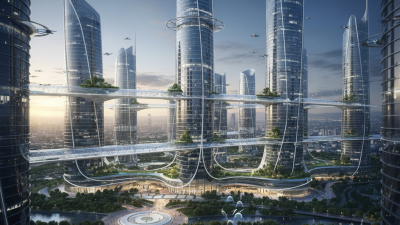
In the world of architecture, 3D Architectural Rendering has emerged as a revolutionary tool. This technology allows architects to visualize their designs in stunning detail. As we move towards 2026, several trends are shaping the future of this field.
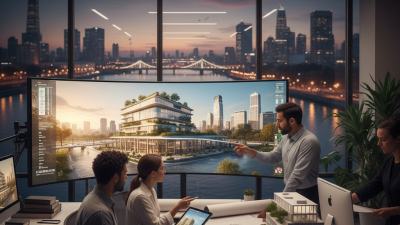
One notable trend is the integration of virtual reality. Clients can now immerse themselves in a virtual environment. This experience enhances decision-making and fosters better client-architect collaboration. Another promising direction is the use of artificial intelligence. AI can streamline workflows and generate realistic renders in mere hours.
However, challenges remain. Not all projects benefit equally from 3D Architectural Rendering. Some designs may lose their essence during the rendering process. Architects need to maintain a balance between creativity and technology. By doing so, they can truly harness the power of 3D Architectural Rendering while remaining authentic to their vision.
Emerging Technologies Revolutionizing 3D Architectural Rendering
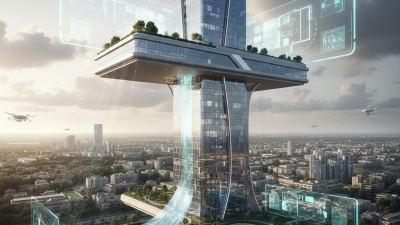
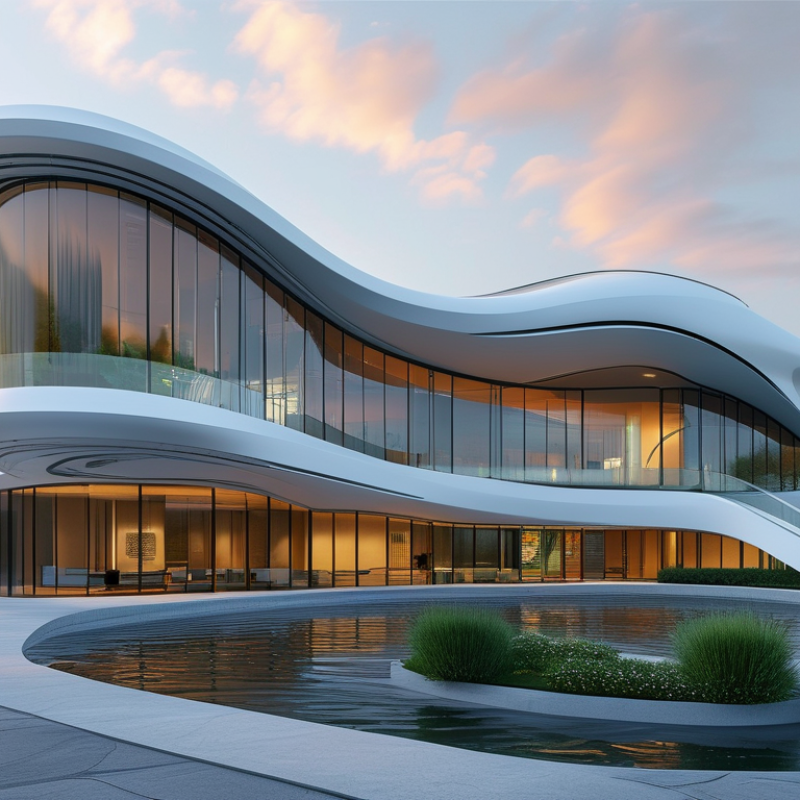
The landscape of 3D architectural rendering is being transformed by emerging technologies. One noteworthy trend is the integration of artificial intelligence. AI algorithms can analyze vast amounts of data to enhance design choices. This leads to more efficient rendering processes, improving speed and accuracy. However, reliance on AI sometimes limits creative expression, creating a tension between technology and artistry.
Virtual and augmented reality are also gaining traction. These immersive technologies allow buyers to walk through designs in real-time. Clients can visualize spaces more effectively, resulting in better decision-making. Yet, there are challenges. Not all stakeholders have access to VR/AR tools, which can create a divide in understanding project nuances.
Another advancement is cloud-based rendering services. This technology enables quicker collaboration among teams, regardless of location. Issues may arise from heavy dependence on internet connectivity. Without reliable access, workflows can suffer. As these technologies develop, they invite scrutiny about their impact on traditional practices. The results can be impressive, yet the balance between innovation and foundational methods needs ongoing reflection.
Key Trends in Photorealistic Visualization for Real Estate Buyers
The world of architectural rendering is evolving rapidly.
Photorealistic visualization stands out as a key trend for real estate buyers.
This technology allows buyers to experience properties before they are built.
Sophisticated graphics create stunning images that mimic reality. Textures and lighting enhance the experience.
Walking through a space virtually feels natural.
Buyers enjoy customization.
They can see different design options and materials. Imagine changing kitchen cabinets with a single click.
These visual tools build confidence in decisions. Yet, some buyers may find it overwhelming.
Too many choices can lead to indecision. Balancing options with clarity is essential.
User experience matters greatly. A seamless interface ensures ease of use.
However, not every program meets this standard. Some can be frustrating, lacking intuitive design.
As the industry grows, consistent feedback is vital. Understanding user needs will drive better solutions.
In the end, embedding imperfection can lead to better outcomes in this dynamic field.
The Role of Virtual Reality in Enhancing 3D Architectural Presentations
Virtual Reality (VR) is transforming the landscape of 3D architectural rendering. This technology allows buyers to immerse themselves in virtual spaces, providing an experience beyond traditional renderings. With VR, buyers can explore a building’s layout and feel its ambiance. This sensory engagement enhances their understanding of the design.
Using VR in presentations has its challenges. Some users may experience discomfort due to motion sickness. It’s essential to ensure the virtual environment is user-friendly. Architects should consider a gradual introduction to VR experiences, allowing users to acclimate slowly. This can make the process more enjoyable.
Tip: Offer multiple VR options to cater to different preferences. Not all clients will be comfortable with the same level of immersion. Tailoring experiences can lead to better satisfaction.
Another consideration is how VR can simplify complex ideas. It allows real-time alterations, making it easier to visualize changes. However, architects must balance creativity with practicality. Overly complex designs may confuse buyers. Keeping things straightforward can enhance effectiveness.
Tip: Regular feedback from clients can guide the presentation process. Understanding their needs helps refine future renderings and VR experiences.
Sustainability and Eco-Friendly Design Trends in 3D Rendering
Sustainability in 3D architectural rendering is increasingly vital. Eco-friendly design trends are shaping the industry. Many architects are now using software that emphasizes energy efficiency. This approach reduces waste and promotes greener living spaces. Artists can create virtual models incorporating sustainable materials like bamboo or recycled steel. These elements enhance visual appeal while supporting eco-conscious choices.
The impact of virtual reality in architecture is growing. Designers can simulate how natural light interacts with a building's environment. This aids in reducing energy consumption. 3D rendering allows clients to visualize sustainable features. Rainwater harvesting systems and green roofs become tangible through high-quality visualizations. However, the challenge remains in balancing aesthetics with functional sustainability.
Despite progress, some renderings still overlook local ecology. Designers must consider native plants in landscaping. The industry must reflect deeper meanings beyond visual beauty. Striving for true sustainability should guide every creative decision. It’s crucial to avoid superficial trends and focus on long-term impacts. The evolution of 3D rendering needs reflection and honest evaluation.
The Impact of AI on Efficiency and Creativity in Architectural Rendering
Architecture is evolving rapidly with AI integration. Designers now have powerful tools to enhance creativity. These advancements improve workflow efficiency. Yet, the reliance on AI presents challenges. What happens when creativity meets technology?
AI can automate tedious tasks. This leaves more time for designers to innovate. Yet, some may feel constrained by the templates AI produces. Originality can sometimes take a backseat. Designers should find a balance. Embrace AI but keep the human touch alive.
Tip: Experiment with different AI tools. Assess which ones boost your workflow without stifling your creativity. Experimentation fuels growth. Also, stay updated on tech trends in architectural rendering. The landscape is always changing, and adaptability is key. This journey requires both skill and reflection. How do tools shape your artistic vision?