2026 Best Architectural Rendering Techniques for Global Buyers?
In the dynamic world of architecture, "Architectural Rendering" plays a pivotal role. It transforms ideas into visual representations. As global buyers seek clarity in designs, effective rendering techniques hold great significance.
The year 2026 is expected to bring innovative advancements. These will enhance the effectiveness of architectural visuals. Buyers often desire more than just images; they long for immersive experiences. The right techniques can make these experiences possible, enabling better decision-making.
However, the challenge lies in keeping up with ever-evolving technology. Not every technique may suit a specific project. Sometimes, simplicity can be more effective than elaborate designs. Striking a balance between realism and creativity is essential. This journey in architectural rendering will continue to evolve, demanding ongoing learning and adaptation.
Emerging Trends in Architectural Rendering Techniques for 2026
As we approach 2026, architectural rendering techniques are evolving rapidly.
The integration of virtual reality (VR) and augmented reality (AR)
is becoming more prevalent. These technologies allow clients to immerse themselves in designs before construction begins.
Visualizing spaces in real-time enhances decision-making. However, not all firms utilize these methods effectively,
leading to missed opportunities.
Additionally, artificial intelligence (AI) is transforming rendering processes.
Efficient algorithms can create realistic images in shorter timeframes. Designers can explore multiple aesthetics quickly,
but this relies heavily on accurate data. A failure to input precise details can result in misleading representations.
The challenge lies in balancing technology with human creativity, ensuring authentic designs.
Another trend involves sustainable practices in rendering. Emphasizing eco-friendly materials and energy-efficient designs is critical.
Many projects now showcase their environmental impact through clear visuals. However, some renderings may exaggerate these aspects,
prompting skepticism. Maintaining credibility is essential. Clients seek genuine representations,
and transparency is key to building trust in the architectural rendering landscape.
Comparative Analysis of 2D vs. 3D Rendering in Architecture
In the architectural world, 2D and 3D rendering techniques serve distinct purposes. 2D rendering, often simpler, uses flat images to showcase designs. This technique can effectively communicate ideas quickly. However, it lacks depth and realism. It may leave viewers wanting more detail. Some architects find it limiting when trying to convey spatial relationships.
On the other hand, 3D rendering offers a more immersive experience. It captures light, texture, and depth, presenting a lifelike representation of a project. Clients often respond more positively to 3D visuals. Yet, this technique can be time-consuming and costly. Not all projects warrant the investment in 3D rendering. Sometimes, 2D visuals can provide clarity far more efficiently.
Both methods have their own value, yet they also pose challenges. The choice between 2D and 3D often depends on the project scope and audience. Miscommunication can arise from relying solely on one method. It's essential to evaluate which rendering technique aligns with specific project goals. Both can enhance architectural concepts but require thoughtful application.
Best Practices for Optimizing Architectural Renderings for Marketing
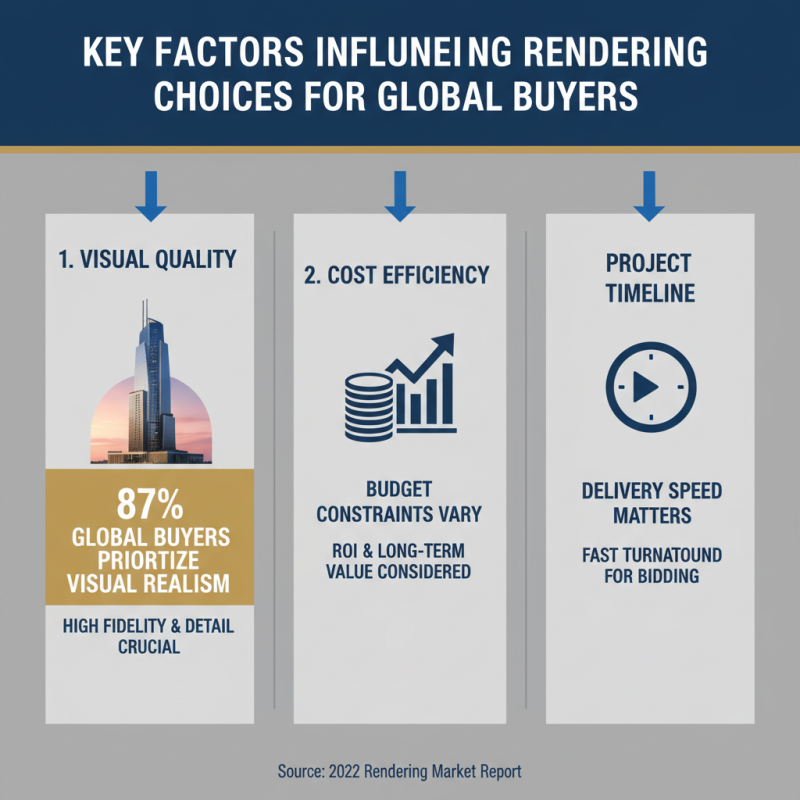
Creating effective architectural renderings requires a blend of technical skill and marketing insight. According to recent industry reports, 82% of potential buyers rely on visuals when making decisions about real estate. This statistic underscores the importance of high-quality renderings that can effectively convey a design's vision and functionality.
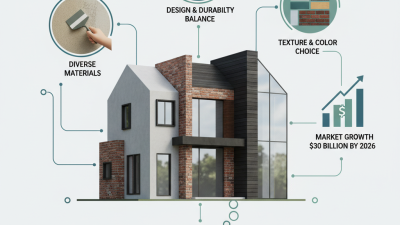
One of the best practices for optimizing architectural renderings involves focusing on lighting and textures. The right lighting can dramatically enhance the mood and impact of a rendering. Including diverse textures helps convey a sense of material quality, making designs feel more tangible. Aim for realistic shadowing and contrast; this catches the eye and invites more engagement from viewers.
Tips: Always check for consistency in style and design elements across renders. Inconsistencies may confuse potential buyers. Also, consider incorporating project contexts, such as surrounding environments or intended uses. This approach adds realism and helps clients envision the project in their lives. Don’t overlook the details; small imperfections make a rendering relatable, resonating with real-world experiences.
2026 Best Architectural Rendering Techniques for Global Buyers
| Technique |
Description |
Benefits |
Ideal Use Case |
| 3D Modeling |
Creating a digital representation of a building or space in three dimensions. |
Helps visualize the spatial relationship and proportions of the design. |
Concept development and design presentations. |
| Photorealistic Rendering |
High-quality images that closely resemble real life. |
Attracts potential buyers with stunning visuals and realistic details. |
Marketing materials and client presentations. |
| Virtual Reality (VR) |
Immersive experience allowing users to explore spaces in real-time. |
Enhances engagement and allows clients to experience designs fully. |
Showcasing complex designs and client walkthroughs. |
| Augmented Reality (AR) |
Overlaying digital elements onto the real world via devices. |
Interactive and engaging presentation of architectural designs. |
Client interaction and site evaluations. |
| Animation |
Moving renderings that showcase the design's functionality. |
Visually compelling storytelling to convey the design process. |
Project pitches and marketing videos. |
Future Technologies Shaping Architectural Visualization in the Coming Years
The architectural visualization landscape is changing rapidly. Advanced technologies are playing a pivotal role. Techniques like virtual reality (VR) and augmented reality (AR) are becoming mainstream. These tools allow clients to immerse themselves in designs. This hands-on experience enhances understanding and engagement.
Artificial intelligence (AI) is also transforming the field. AI-driven software can generate realistic renderings faster than ever. However, relying solely on algorithms can overlook human creativity. A balance between technology and human insight is crucial. Some designers may struggle to adapt to these tools, fearing a loss of artistic touch.
3D printing is evolving too. It allows for tangible models of designs. Yet, the environmental impact of materials used needs consideration. Sustainable practices should guide the choice of resources. Reflection on these aspects is essential for future success in architectural rendering. Embracing technology while maintaining a connection to traditional methods ensures a holistic approach.