What are the Benefits of 3D Floor Plan Design?
In today's real estate market, "3D Floor Plan Design" has become essential. As expert architect James Harrison states, "3D designs breathe life into spaces." This innovative approach enhances visualization for clients and helps them understand layouts better.
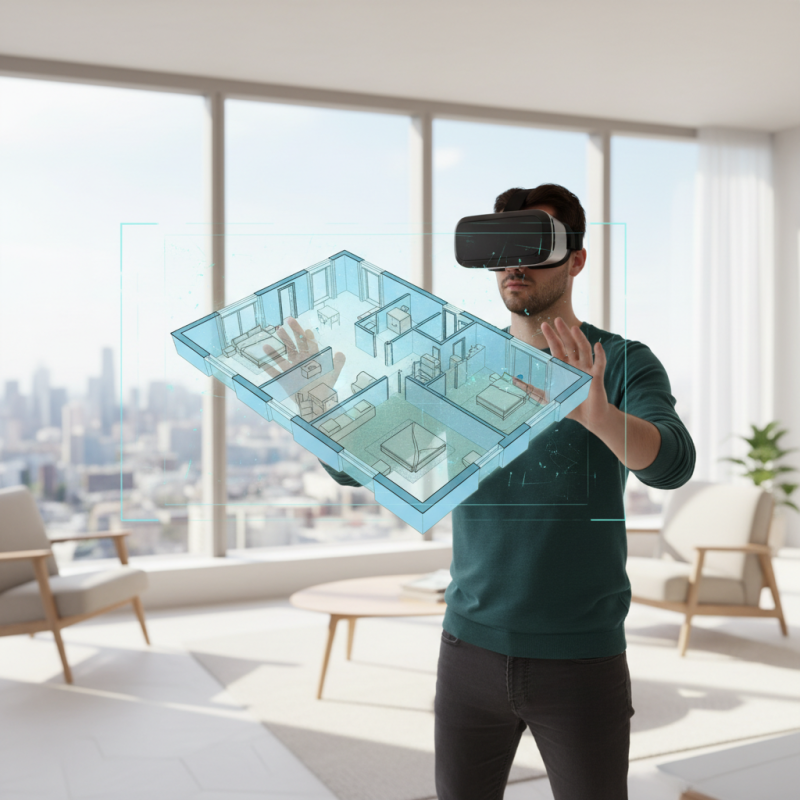
Imagine walking through a virtual representation of your future home. You can explore every corner, visualize furniture placements, and feel the space's flow. These detailed designs offer a realistic preview that can reduce decision-making time. However, some may find the technology overwhelming.
It's important to consider potential drawbacks. While 3D designs enhance clarity, they can lead to unrealistic expectations. Clients may become attached to a vision that is hard to replicate. Balancing creativity with feasibility is crucial in this evolving field. Therefore, embracing both the benefits and challenges of 3D Floor Plan Design can yield rewarding results.
Advantages of Visualizing Space with 3D Floor Plans
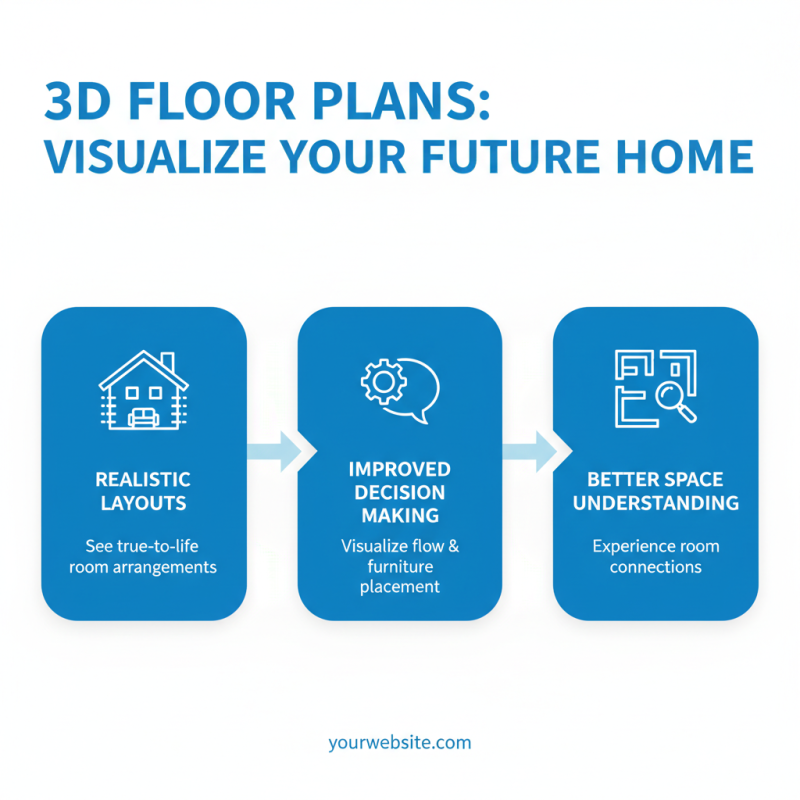
3D floor plans offer a unique way to visualize space. These designs create a realistic representation of layouts. Homeowners can see how rooms flow into each other. This visual aid helps in making better decisions.
With 3D models, colors and textures can be added. Users can visualize furniture placements and decor styles. Imagine seeing a cozy living room or a spacious kitchen. This can spark inspiration for design choices. However, it can make some people feel overwhelmed. Too many choices can lead to confusion.
Accessibility is another benefit. 3D floor plans can be shared easily online. They allow collaboration between clients and designers. Yet, this technology might not suit everyone's taste. Some individuals prefer traditional sketches. It's essential to consider personal preferences when choosing a design style.
Enhanced Client Communication through 3D Design
3D floor plan designs transform how clients visualize spaces. With rich, detailed visuals, clients can grasp ideas more easily. Traditional 2D plans often confuse. But a 3D layout shows depth and proportion. Clients can walk through rooms in a virtual sense. This makes discussions clearer and more engaging.
Enhanced communication arises from these designs. Clients can express preferences better. Designers receive direct feedback, minimizing misunderstandings. However, some clients might still struggle with technology. They may need guidance to navigate 3D models. Patience is crucial here. Not every client will react positively. Some may feel overwhelmed by choices presented. It’s essential to address these feelings openly.
Incorporating 3D designs also invites creativity. Clients visualize potential layouts. But too many options sometimes lead to decision fatigue. Designers must guide them through concepts without pushing. Balancing creativity and practicality is a challenge. The goal should be a design that resonates with the client’s vision. Navigating these waters can boost the partnership between designers and clients.
What are the Benefits of 3D Floor Plan Design? - Enhanced Client Communication through 3D Design
| Benefit |
Description |
Impact on Client Communication |
| Improved Visualization |
Clients can see the layout and design of the space more clearly. |
Enhances understanding and reduces misconceptions about design. |
| Interactive Walkthroughs |
Offers the ability to explore the space virtually. |
Increases engagement and excitement for clients. |
| Customization Options |
Allows clients to visualize different design choices. |
Facilitates better decision-making by the clients. |
| Clearer Communication of Ideas |
3D models provide a tangible representation of ideas. |
Reduces back-and-forth discussions and clarifications. |
| Reduced Errors and Revisions |
Identifies potential issues early in the design process. |
Saves time and costs associated with revisions. |
Improved Accuracy in Space Planning and Design
3D floor plan design brings significant benefits, especially when it comes to improved accuracy in space planning. Traditional methods often fall short, leading to misjudgments about space usage. Designers can easily miscalculate dimensions, affecting overall functionality. A 3D floor plan eliminates guesswork. It visually represents space, allowing for a clearer understanding. This can reduce costly mistakes during the construction phase.
Using a 3D model, one can explore spaces in a virtual environment. This not only helps in visualizing the area but also highlights potential design flaws early. Imagine walking through a room before it's even built. You can assess the flow between spaces, alter layouts, and even test different furniture arrangements. It transforms the design process into a more interactive experience. However, it requires careful planning and consideration. Overlooking minor details can lead to significant issues later on.
Even with 3D technology, the need for human touch remains. Designers must ensure accurate translations from digital to real-world scenarios. After all, not every design will work perfectly in practice. A balance of creativity and practicality is essential to achieve the desired outcome. The ultimate goal is a functional and aesthetic space that meets the user’s needs.
Time and Cost Efficiency of 3D Floor Plan Creation
The development of 3D floor plans significantly enhances time efficiency in the design process. Traditional methods can take weeks or even months. In contrast, 3D design tools streamline this, allowing for quick revisions. Changes can be made in real time, reflecting immediate needs. Clients see ideas come to life faster. This immediate visualization reduces back-and-forth discussions.
Cost efficiency is another key advantage. With faster turnaround times, less labor is required. This reduces overall project costs. The ability to make adjustments early in the design saves money that would otherwise be spent on physical prototypes or extensive revisions later. However, reliance on technology can sometimes lead to oversights. Designers may miss details that manual planning would highlight.
Clients gain a clearer understanding of spaces. Yet, not everyone is tech-savvy. Some may struggle with complex software. The learning curve can be frustrating. It's essential to balance quick delivery with thoroughness. Adapting to new tools demands effort. Regular training ensures that the benefits of technology are fully realized.
Impact on Marketing and Selling Real Estate Properties
3D floor plan design can significantly enhance the marketing and selling of real estate properties. Buyers want to visualize spaces before committing. A well-designed 3D floor plan provides a realistic perspective. It helps potential buyers understand the layout better. This leads to greater engagement with listings.
However, some agents overlook the importance of quality. A poorly executed floor plan can mislead buyers. Buyers might feel confused. They may also question the credibility of the listing. Attention to detail is crucial. A well-structured layout can communicate the property’s unique features effectively.
Incorporating 3D floor plans in marketing materials is an investment. It can set a property apart in a competitive market. Yet, it requires thoughtful execution. Data shows buyers appreciate clarity. They want to know how each room connects. If the presentation isn't clear, it may backfire. Real estate professionals need to carefully balance creativity and accuracy.