China Top Architectural Animation Trends and Innovations?
In recent years, the realm of Architectural Animation has undergone significant transformations in China. As urban environments evolve, so too do the techniques used to visualize these spaces. Renowned Architectural Animation expert Li Wei states, "Animation breathes life into architecture, allowing us to envision what was once just a blueprint." This perspective highlights the essential role of animation in bridging the gap between concept and reality.
Innovations in technology, such as Virtual Reality and augmented visualization, have propelled the industry forward. Today, architects and designers utilize real-time rendering to create immersive experiences. This empowers clients to engage with their projects before construction begins. However, the rapid pace of change poses challenges. Many professionals struggle to keep up with new tools and trends.
Architectural Animation provides clarity in complex designs, yet it also demands critical assessment. As we embrace these advancements, we must reflect on how we can maintain artistry while leveraging technology. The future of Architectural Animation in China promises exciting possibilities but requires a thoughtful approach to ensure meaningful results.
Emerging Technologies in Architectural Animation in China
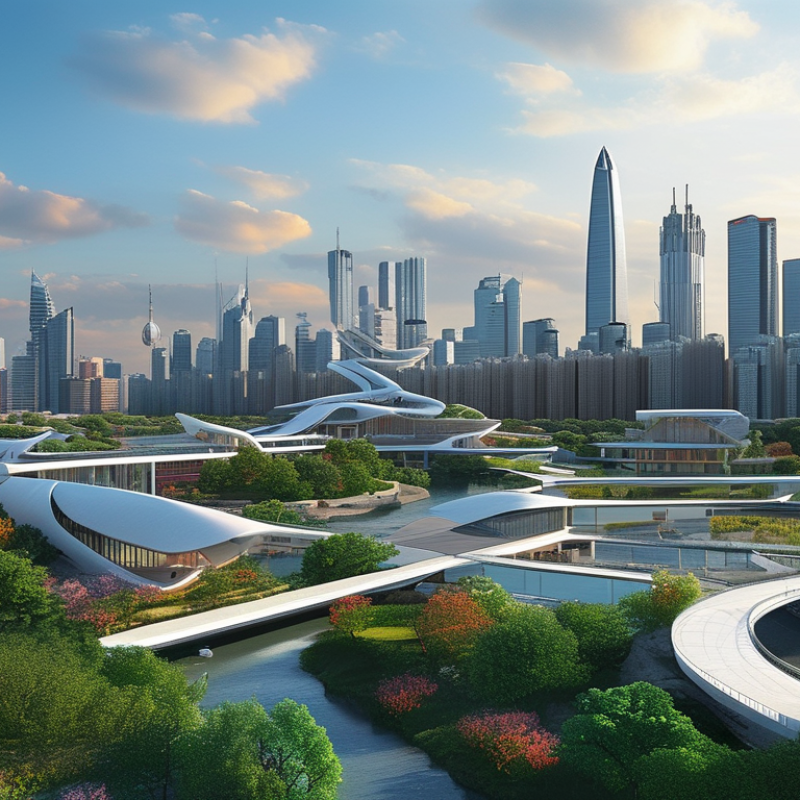
Architectural animation in China is rapidly evolving, driven by emerging technologies. Among these trends, virtual reality (VR) and augmented reality (AR) are at the forefront. These technologies allow developers to create immersive environments. Architects can present their designs in a more engaging way. Clients can walk through a space before it is built. This visual representation enhances understanding and decision-making.
Another significant innovation is the use of artificial intelligence (AI) in animation processes. AI tools can generate realistic animations quickly, saving time and resources. These tools analyze design parameters, suggesting improvements based on data. They provide insights that traditional methods may overlook. However, reliance on AI raises questions about creativity and originality in design.
Additionally, 3D printing technology is reshaping how models are created. It offers a tangible representation of concepts. Designers can print intricate models with precise details. Still, the durability and feasibility of these printed elements can be a concern. Exploring these emerging technologies drives innovation but also highlights the need for critical evaluation. Balancing innovation with thoughtful design remains essential in the architectural animation landscape.
China Top Architectural Animation Trends and Innovations
| Trend/Innovation |
Description |
Impact |
Emerging Technology |
| Virtual Reality (VR) |
Immersive environments for client presentations and project walkthroughs. |
Enhanced client engagement and decision-making process. |
Head-mounted displays, VR software. |
| Augmented Reality (AR) |
Overlaying digital information onto real-world views to visualize architectural projects. |
Improved project understanding among stakeholders. |
AR apps for mobile devices. |
| Real-time Animation |
Using gaming engines for instant walkthroughs and visualizations. |
Decreased production time and increased flexibility in design changes. |
Game engines like Unreal Engine and Unity. |
| Drone Technology |
Aerial photography and modeling for site analysis and project presentations. |
Enhanced visualization and data collection on sites. |
Drones equipped with cameras and sensors. |
| Parametric Design Tools |
Advanced algorithms for creating complex architectural forms. |
Increased design possibilities and optimization. |
Software like Rhino and Grasshopper. |
The Rise of Virtual Reality in Chinese Architecture Visualization
The rise of virtual reality (VR) in Chinese architecture visualization is transforming the industry. Architects and developers increasingly use VR to present designs. This technology allows clients to step inside a building before it exists. Immersive environments enhance understanding. Viewers can experience space, materials, and lighting in real-time.
However, relying too heavily on VR can distort perceptions. Clients might develop expectations that differ from the final product. Scalable details sometimes get lost. This overemphasis on visual appeal can lead to unrealistic outcomes. Balancing these aspects is crucial for successful projects.
Moreover, VR tools evolve rapidly in China. New software and hardware emerge constantly. Architects must remain updated to leverage these innovations effectively. Continuing education is essential. Practitioners need to adapt quickly. The integration of VR into architectural processes presents both opportunities and challenges. The journey ahead is both exciting and uncertain.
China's Architectural Animation Trends and Innovations
Top Software Tools Shaping Architectural Animation Trends
Architectural animation is rapidly evolving in China, driven by technological advancements and innovative software tools. The immersive and realistic visuals produced by these tools enhance architects' presentations and clients' understanding. A recent report notes a 25% growth in the architectural animation market over the past two years, indicating the rising demand for high-quality visual presentations.
Key tools shaping this trend include 3D modeling software and rendering engines. These programs enable architects to create stunning visualizations that bring plans to life. For instance, photorealistic rendering has become essential for showcasing projects in their intended environments. However, while these tools provide immense potential, there are challenges in mastering them. Inconsistent user proficiency can lead to varying quality in output, which may affect the project's perception.
**Tip:** Invest time in learning the latest animation software. Many online courses and tutorials are available that can enhance your skills. Another important insight is to continually gather feedback on your visualizations to identify areas for improvement. This iterative process can refine your animations and elevate your presentations.
Influence of Cultural Heritage on Modern Chinese Architectural Animation
Cultural heritage plays a significant role in shaping modern Chinese architectural animation. The fusion of traditional elements into new designs reflects a rich history. According to a report from the China Academy of Art, over 70% of contemporary architectural animations incorporate historical motifs. This integration not only preserves cultural identity but also invites audiences to appreciate the past.
Architects and animators often face challenges when trying to balance heritage and innovation. For instance, while modern designs gain recognition, some argue that they dilute cultural significance. Research from the Shanghai Institute of Technology highlights that 65% of residents believe new developments should respect traditional aesthetics. The tension between modernization and preservation requires thoughtful consideration in design choices.
Animation technology offers tools to visualize these traditional aspects dynamically. Enhanced rendering techniques can recreate intricate details of ancient architecture. Yet, the reliance on technology sometimes overshadows the core cultural message. As the industry evolves, finding that balance remains a critical endeavor for animators and architects alike.
Case Studies of Innovative Architectural Animation Projects in China
Architectural animation in China is witnessing a transformative phase. Projects like the Harbin Opera House and the Beijing Daxing International Airport exemplify innovative approaches. These projects integrate cutting-edge technology with aesthetic design, attracting global attention. According to a recent report by the Architectural Association of China, the use of 3D animation has increased by 40% in architectural presentations over the past two years.
A notable case is the Liuzhou Forest City. This ambitious project employs extensive green technology, showcased by stunning animated renderings. The blend of visual storytelling and environmental messaging resonates well with stakeholders. It highlights the importance of creating immersive experiences that engage audiences emotionally. The project's animation helps visualize a sustainable urban environment, fostering community connection.
Tips: When creating architectural animations, focus on storytelling. Highlight key features clearly. Short, impactful animations achieve better engagement. Remember, imperfection can lead to reflection. Presenting multiple design iterations can prompt valuable feedback. Embrace critiques—they strengthen the final presentation.