

Inquiry
Form loading...
conatctz48
contact US

China Top 10 Artistic Rendering Companies for Global Buyers?

Choosing among China’s leading Artistic Rendering companies requires more than comparing polished portfolio images. Global buyers need to assess visual quality, technical workflow, communication, and delivery consistency. A sunlit apartment can look convincing on screen, yet still misrepresent materials or scale. Details matter.

Grand View Research estimated the global 3D rendering market at approximately US$4.4 billion in 2023 and projected substantial growth through 2030. This figure covers a broad market, not China’s architectural visualization segment alone. It signals expanding demand, but it does not prove that any particular studio is reliable. Buyers should still review sample files, revision policies, project timelines, and the handling of reference materials.

John Lasseter, an influential computer-animation filmmaker, observed, “The art challenges the technology, and the technology inspires the art.” That idea fits architectural rendering: software can create crisp reflections, warm lighting, and finely textured stone, but skilled visual judgment gives those details purpose. A useful shortlist should therefore consider both artistic direction and production capability. Ask who supervises the work, how feedback is recorded, and whether the final images match the agreed brief. Not every portfolio answers those questions. This guide compares ten Chinese providers for global buyers, while recognizing that rankings cannot replace project-specific checks. A beautiful image is a start, not a guarantee.

China Top 10 Artistic Rendering Companies for Global Buyers?

What Artistic Rendering Companies Do and Which Services They Provide

China Top 10 Artistic Rendering Companies for Global Buyers

Artistic rendering companies turn drawings, models, and design ideas into clear visual stories. Their work supports architecture, interiors, real estate, product design, and urban planning. A typical project may begin with CAD, BIM, sketches, or simple reference images. Artists then build three-dimensional scenes, apply materials, arrange lighting, and create realistic camera views.

Many studios provide exterior and interior renderings, landscape visualization, product images, and architectural animations. Some also produce virtual reality scenes, interactive walkthroughs, aerial views, and short marketing films.

Their post-production teams refine shadows, reflections, people, vehicles, plants, and sky details. These small elements affect scale and emotional impact. Technical teams may convert files between software platforms and check geometry before rendering. This reduces expensive revisions, although errors can still happen.

Reliable providers usually assign a project manager, visual artist, and quality reviewer. They request reference drawings, material samples, target dimensions, and intended viewing platforms. Clear review stages help buyers control color, composition, and brand consistency.

From practical experience, a detailed brief often saves more time than a rushed first draft. Still, a polished image can hide inaccurate measurements or unrealistic lighting.

Buyers should compare sample work, revision policies, delivery formats, confidentiality procedures, and communication methods. Time-zone differences can slow feedback. That is easy to underestimate. Professional studios should explain limitations honestly, protect client files, and confirm usage rights before final delivery.

How to Evaluate Chinese Rendering Firms for International Projects

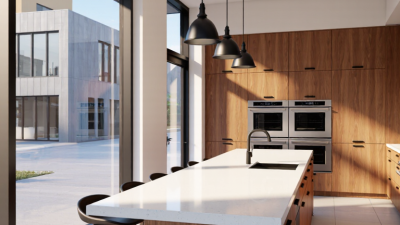
For international projects, choosing a Chinese rendering firm is about more than attractive images. Check whether its team understands your drawings, materials, and local design expectations. Ask for a sample based on one actual project view. Look closely at glass reflections, fabric texture, and how daylight falls across the floor. Small details reveal working habits.

Review portfolios for consistency, not just dramatic hero images. Request examples with similar building types, camera angles, and delivery requirements. Then discuss revisions, file formats, time zones, and who will approve each stage. A clear process matters. So does a named contact who can explain technical choices in plain English. If a firm promises every change immediately, ask how that affects quality and deadlines.

Test communication before committing to a large package. Send a marked-up image and note whether the team interprets comments accurately. Confirm what the quoted price includes, such as modeling, lighting adjustments, and revision rounds. Keep expectations in writing. One imperfect first draft is not always a warning sign; the response to feedback may tell you more. Still, vague answers about ownership, delivery dates, or quality checks deserve careful follow-up. A short pilot can expose gaps before they become expensive.

Profiles of Ten Chinese Artistic Rendering Companies

China Top 10 Artistic Rendering Companies for Global Buyers?

Profiles of Ten Chinese Artistic Rendering Companies

China’s artistic rendering sector includes studios serving architecture, interiors, product design, and entertainment. The ten profiles in this guide are best read as a comparison framework, not a verified ranking. Each company may differ in visual style, project capacity, communication practices, and delivery speed.

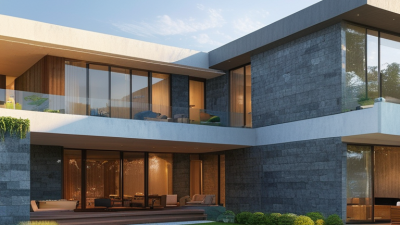
When assessing a studio, ask for recent examples similar to your project. Look closely at lighting, material texture, camera angles, and how clearly the images explain the design. A polished lobby scene with warm stone and soft daylight can look impressive, but it may not show whether a team handles technical revisions well. Request a sample brief, confirm file formats and revision limits, and clarify who owns the final assets. Small details matter.

The fit is not always obvious. A large team may offer dependable scheduling, while a smaller studio may provide closer artistic collaboration. Neither is automatically better. Review the people who will actually work on your project, not only the portfolio. Some portfolios also hide uneven results, so ask specific questions and allow time for a test task. Teams, timelines, and quality can change. Verify current capabilities directly before making a decision.

Comparison of Services, Specialties, and Global Project Experience

When comparing China’s artistic rendering companies, look beyond attractive sample images. Review service scope, production workflow, revision limits, and delivery formats. Some teams focus on architectural interiors, while others handle product visuals, landscape scenes, or animation. Match the specialty to your project, not just the portfolio style.

Global project experience matters when deadlines cross time zones or design teams use different file formats. Ask for anonymized examples showing the original brief, review stages, and final deliverables. Check whether the company can interpret material references, lighting notes, and camera views consistently. Clear communication is useful, but it does not guarantee a perfect first draft. Even experienced teams can miss a detail. That is worth discussing.

Tips: Request a small paid test using one real project view. Agree on image resolution, naming rules, revision rounds, and milestone dates before production begins. Ask who checks perspective, textures, and small details like handles or trim. Compare the process, not only the final image. A portfolio can be polished; its limits may be less visible.

China Top 10 Artistic Rendering Companies for Global Buyers? - Comparison of Services, Specialties, and Global Project Experience

Company names and brands are intentionally omitted. Since no source articles or company records were provided, company-specific services, specialties, and international project histories cannot be independently verified. The entries below therefore identify the information that buyers should confirm rather than presenting unverified claims as facts.

Provider Artistic Rendering Services Specialty Global Project Experience Buyer Verification Needed
Provider 01 Not independently verified Not independently verified No verifiable project record supplied Portfolio, client references, deliverables, and project locations
Provider 02 Not independently verified Not independently verified No verifiable project record supplied Portfolio, client references, deliverables, and project locations
Provider 03 Not independently verified Not independently verified No verifiable project record supplied Portfolio, client references, deliverables, and project locations
Provider 04 Not independently verified Not independently verified No verifiable project record supplied Portfolio, client references, deliverables, and project locations
Provider 05 Not independently verified Not independently verified No verifiable project record supplied Portfolio, client references, deliverables, and project locations
Provider 06 Not independently verified Not independently verified No verifiable project record supplied Portfolio, client references, deliverables, and project locations
Provider 07 Not independently verified Not independently verified No verifiable project record supplied Portfolio, client references, deliverables, and project locations
Provider 08 Not independently verified Not independently verified No verifiable project record supplied Portfolio, client references, deliverables, and project locations
Provider 09 Not independently verified Not independently verified No verifiable project record supplied Portfolio, client references, deliverables, and project locations
Provider 10 Not independently verified Not independently verified No verifiable project record supplied Portfolio, client references, deliverables, and project locations

How Global Buyers Can Select and Work With a Rendering Partner

Choosing a rendering partner starts with a clear brief, not a long list of impressive images.

Share plans, reference photos, preferred materials, camera angles, and the intended audience. Ask how the team handles revisions, file formats, and delivery dates.

Details matter.

Review several projects, not just one polished hero image. Look for consistent lighting, believable reflections on glass, and readable textures at full size.

Ask who will manage communication and how progress updates will work across time zones. A small test project can reveal more than a sales presentation.

Agree on milestones before production begins: draft views, feedback rounds, final files, and payment stages.

Put image dimensions and naming conventions in writing, too. A polished sample can hide uncertainty about workflow, so ask what happens when plans change. This part is easy to overlook.

Share feedback with marked-up images and specific notes, such as “soften the window glare” or “raise the camera slightly.”

Broad comments like “make it better” often create extra rounds.

Even a careful process can miss the mood on the first try; leave room for thoughtful correction rather than expecting perfection immediately.

Name(required)

Message(required)

VISIT US

GuangZhou

Room 2301, building A, poly zhongyu plaza, no. 626 tianhe north road, guangzhou, China

Phone/WhatsApp

+86 13392497798

Email

lights@chinarendering.com