How to Choose the Best 3D Architectural Rendering Company?
Choosing the right 3d Architectural Rendering company can shape how clients, investors, and project teams understand a design. A convincing image does more than look attractive. It should represent the building’s materials, scale, lighting, and surroundings with care. A glass facade, for example, should reflect its environment without hiding the structure behind it. Small details matter.
The selection process takes more than browsing a polished portfolio. Review work similar to your project, and inspect images at full size. Ask how the team handles CAD or BIM files, design changes, and feedback from architects. Clear answers can reveal whether a provider understands the production process, not just the final image. Also confirm deliverables, timelines, revision limits, and what the quoted price includes. These details help prevent surprises near a deadline.
Communication counts, too. A reliable company should explain its workflow, flag missing information, and describe how it protects project details. References or case studies may offer useful evidence, though every project has different needs. A low price is not always a bargain, and a dramatic render is not automatically accurate. It can be both.
This guide explores the practical questions to ask before choosing a rendering partner. It considers visual quality, technical capability, collaboration, cost, and delivery standards. No checklist can remove every risk. But a thoughtful review can help you choose a team that fits your design, schedule, and expectations.
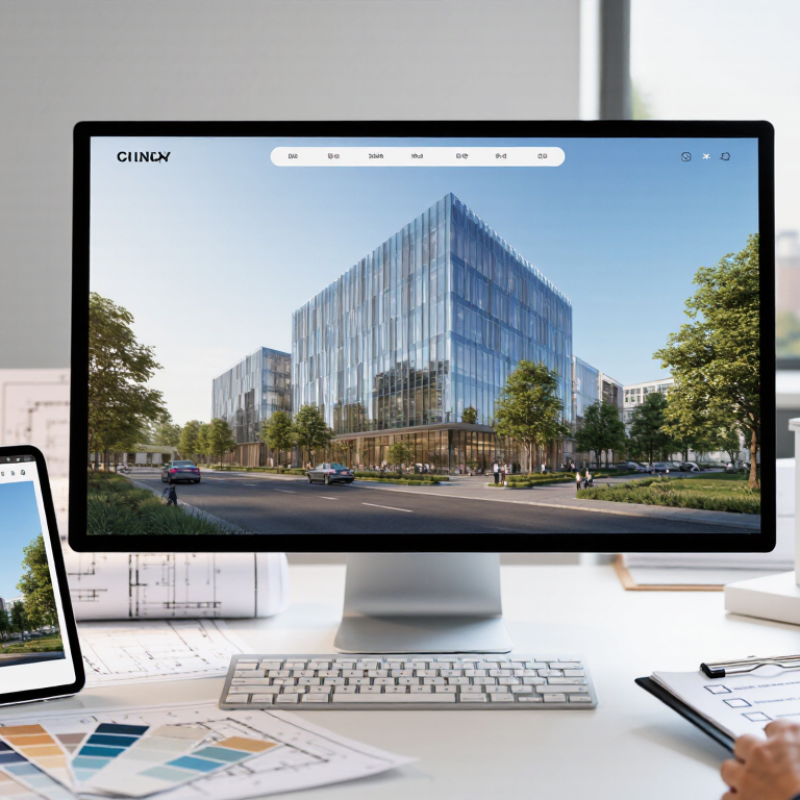
Define Your Project Goals and Rendering Requirements
How to Choose the Best 3D Architectural Rendering Company?
Define Your Project Goals and Rendering Requirements
Before comparing studios, decide what each image must help someone do: approve massing, test materials, market a residence, or explain circulation. List the audience, deliverables, image count, aspect ratios, deadline, and revision rounds. A planning image needs clear access and context; a sales image may need warm interiors and realistic landscaping. Be specific about what is fixed and what may change. A brief can still miss something.
Unclear inputs can waste production time. FMI’s 2021 construction data-quality study estimated that project teams spent about 13% of their time searching for information. The finding covers construction data broadly, not rendering alone, but it shows why organized inputs matter. Provide current plans, elevations, material references, camera viewpoints, and a named decision-maker for approvals. Ask how a studio manages version changes, lighting choices, and model accuracy. Review relevant samples, not just the prettiest image. I’d leave room for assumptions to be challenged; early concepts are rarely as settled as the brief suggests.
Tips: Send a marked-up plan with camera locations, three reference images, and a short “must show / must avoid” list. State image dimensions and file formats. Confirm what counts as a revision before work begins.
Understand the Services and Technologies Rendering Companies Offer
A good 3D architectural rendering company should offer services that match your project, not just attractive images. Ask whether its team handles modeling, interior and exterior views, animation, virtual walkthroughs, or construction-stage visuals. Request examples similar to your project, such as a sunlit kitchen, a street-level storefront, or a high-rise viewed from several angles. Details matter. Check how the team manages revisions, deadlines, and feedback. A polished sample is useful, but a clear production process is more reassuring.
Technology affects both visual quality and collaboration. Ask which tools the company uses for modeling, lighting, rendering, and file sharing. Real-time rendering can help teams review materials and layouts quickly, while traditional rendering may suit highly detailed final images. Neither approach is automatically better. Ask how lighting, textures, and landscaping will be matched to your plans. Confirm accepted file formats and whether your designers can review working files. Small mismatches happen; clarify who corrects them and how many revision rounds are included.
Tips: Share drawings, material references, and camera views before requesting a quote. Ask for a small test image if the project is complex. Compare sample details at full resolution, not only on a phone screen. One thing is easy to miss: a beautiful image may still misrepresent scale. Request dimensions or reference objects when accuracy matters.
How to Choose the Best 3D Architectural Rendering Company?
Compare the image-resolution formats a provider can deliver. Higher resolutions contain more pixels and can support larger displays or detailed print output; the best choice depends on your project’s intended use.
Values show megapixels, calculated from each format’s width × height. Confirm that a company’s services and rendering workflow can meet your required output dimensions.
Evaluate Portfolios, Experience, and Industry Expertise
How to Choose the Best 3D Architectural Rendering Company?
A strong portfolio shows more than attractive images. Look for projects similar to yours: a sunlit apartment interior, a glass office façade, or a tight urban site. Check whether materials, shadows, and people feel convincing at close range. Ask how the team handled revisions, missing design details, and deadline changes. Then inspect closely. A beautiful image can still hide a weak process.
Experience matters when renderings must reflect real project information. The NBS Digital Construction Report 2023 reported that 68% of respondents used BIM. That figure signals how common digital building workflows have become, but BIM use alone does not prove rendering expertise. Ask candidates how they interpret models, manage version changes, and coordinate with architects. Request a sample deliverable and a clear explanation of its assumptions. Small mismatches matter.
Tips: Compare portfolios by project type, not image count. Ask who will create your visuals and how many revision rounds are included. Check whether the team understands your sector’s materials, planning context, and audience. If answers feel vague, pause. A short test image may reveal more than a polished sales presentation.
Compare Workflows, Communication, Timelines, and Pricing
A rendering company’s workflow should be clear before you sign. Ask how the project moves from supplied plans to a white model, material pass, lighting review, and final images. Request a sample schedule with approval points. This shows whether your team can correct window proportions before polished textures make changes costly. Check how feedback is recorded. Markups tied to a specific camera view are easier to act on than scattered email notes. Small detail, big difference.
Timelines depend on more than image count. Confirm when the studio needs drawings, material references, and site photos, and ask how quickly it responds to review comments. A five-day promise may not include client approvals or major design changes. Get the stages and handoff dates in writing. Leave time for one realistic revision round. Delays happen. Some are avoidable; others come from missing information. That distinction matters.
Compare pricing by scope, not headline total. Check the number of views, image resolution, revision rounds, 3D model ownership, and charges for added changes. Ask what counts as a revision; moving a chair differs from changing the building façade. A clear quote should identify exclusions and payment milestones. If two proposals differ sharply, ask what each leaves out. This part is easy to underestimate, and budgets do not always behave neatly.
Confirm Deliverables, Revisions, Rights, and Contract Terms
A polished preview is only one part of a rendering project. Before choosing a company, ask for a written list of deliverables: image count, resolution, file formats, camera views, and any animation or 360-degree output. Details matter. A “final image” could mean a web-sized JPEG, not a print-ready file. Confirm whether editable 3D files are included, and check that delivery dates match your design milestones.
Set revision expectations before work begins. Ask how many rounds are included, what counts as a minor edit, and how new design changes affect fees and timing. For example, adjusting a window reflection may be a small revision; changing the building façade after modeling is underway may not be. Request a review schedule with clear approval points. It can feel overly formal, but vague feedback often creates avoidable delays.
Clarify usage rights in the contract. Make sure it states where, how, and for how long you may use the images, including websites, print materials, and project presentations. Confirm whether the company can display the work in its portfolio, and whether that requires your approval. Review payment stages, cancellation terms, confidentiality, and charges for extra work. Read the fine print, even when the proposal seems straightforward. A missed detail now can become an awkward conversation later.