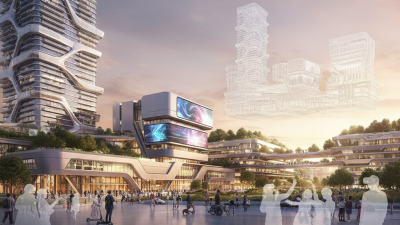
How to Create Stunning Architectural Rendering for Your Projects?
Architectural Rendering is more than just a visual tool; it shapes the perception of a project. This process captures the essence of design in stunning detail. A well-executed rendering invites viewers to step into a space before it exists. It communicates ideas, emotions, and concepts effectively.
Yet, creating impressive architectural renderings often involves challenges. The complexity of translating a blueprint into a lifelike image is daunting. Many struggle with color accuracy and realistic textures. Lighting can drastically alter the perception of a space. Reflecting on these aspects can improve one's skills.
Artists and architects must remain open to critique. Feedback helps refine techniques and enhance work quality. Even experienced professionals sometimes miss vital details. Embracing imperfections can lead to growth and innovation. Acknowledging these challenges is essential for creating remarkable architectural renderings.
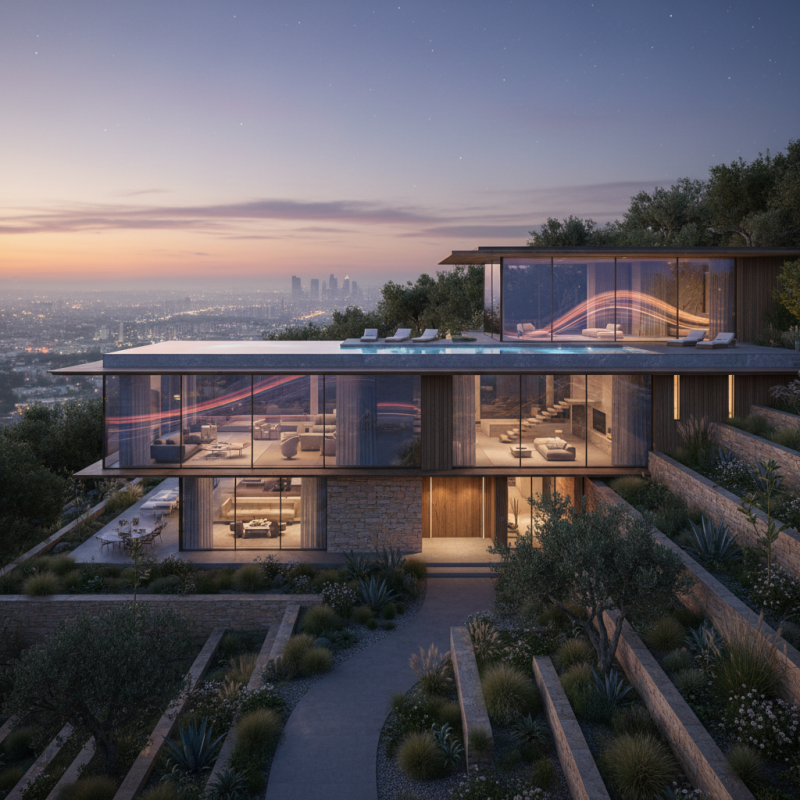
Understanding Architectural Rendering and Its Importance
Architectural rendering plays a crucial role in modern architecture and design. It transforms ideas into visual stories. According to recent industry reports, 80% of clients prefer visual content over text. This underscores the power of rendering in communicating complex architectural concepts. It provides a tangible glimpse of future projects, enabling stakeholders to imagine the end results.
However, not every rendering hits the mark. Some miss the essence of the project or fail to capture the intended mood. Quality varies greatly. A staggering 35% of architects believe that many 3D renderings are unrealistic. Achieving perfection in rendering is challenging. Balancing accurate details with artistic representation is vital yet often overlooked. The struggle for detail can lead to oversights in color or lighting.
Investing time in understanding the nuances of architectural rendering is essential. Data shows that well-executed renderings can reduce project revision times by 30%. This is a significant benefit when managing time-sensitive projects. Clients are more likely to approve designs that resonate visually. Before creating a stunning rendering, reflect on the project’s core message. Capture the design’s spirit and ensure it aligns with client expectations. This deep understanding can elevate a good rendering into a great one.
How to Create Stunning Architectural Rendering for Your Projects?
| Dimension |
Description |
Importance |
| Realism |
Reflecting real-life conditions and materials. |
Enhances client understanding and engagement. |
| Lighting |
Use of natural and artificial light effects. |
Sets the mood and atmosphere of the design. |
| Textures |
Detailed surface quality representation. |
Adds depth and tactile characteristics to visuals. |
| Color Schemes |
Use of color palettes to convey emotions. |
Influences client preferences and decisions. |
| Perspective |
Viewpoints that highlight design features. |
Helps in visualizing the scale and context of the project. |
| Animation |
Dynamic visual representation of architecture. |
Captures user interest and enhances presentations. |
Essential Tools and Software for Architectural Rendering
Creating stunning architectural renderings requires the right tools and software. Various applications help streamline the design process. Some focus on 3D modeling, while others excel in rendering. Each has its pros and cons. A modeling tool might simplify initial concepts, yet may lack advanced lighting features. On the other hand, some rendering software might offer beautiful results, but could be challenging to use.
When selecting tools, consider usability and features. Look for software that suits your project needs. Some applications come loaded with presets. This can save time but may also limit creativity. Customizing models and textures can lead to unique outcomes. However, not every detail will turn out as expected. Sometimes, the rendered output can look different than intended. This can be frustrating but provides opportunities for learning.
Don't overlook the importance of practice. Experiment with different software to find your comfort zone. Each tool has a learning curve. Mistakes happen, and that's okay. They often lead to breakthroughs in design. Embrace the imperfections in your early drafts. Over time, these experiences will enhance your skill set.
Architectural Rendering Software Usage Statistics
Step-by-Step Process for Creating Architectural Renderings
Creating stunning architectural renderings is an essential skill for architects and designers. The process is detailed but rewarding. First, gather accurate data about your project. This includes dimensions, materials, and environmental context. According to industry reports, 85% of architects agree that accurate data enhances the quality of renderings significantly. Without solid information, your visuals may lack realism.
Next, choose the right software tools. Many professionals recommend using 3D modeling software. These tools let you experiment with textures and lighting. However, some tools can be complex and overwhelming. It's crucial to find a balance between functionality and usability. Reports suggest that 70% of designers struggle with learning new software. Regular practice can alleviate this issue over time.
Finally, pay attention to details. Adding small elements, like landscaping or furniture, can elevate your renderings. However, don't overcrowd your visuals. A cluttered scene can distract from the main structure. Some architects struggle with this concept and often overcomplicate their designs. Continuous feedback from peers can help refine your approach, ensuring that your renderings truly resonate with viewers.
Tips and Techniques for Enhancing Realism in Your Renderings
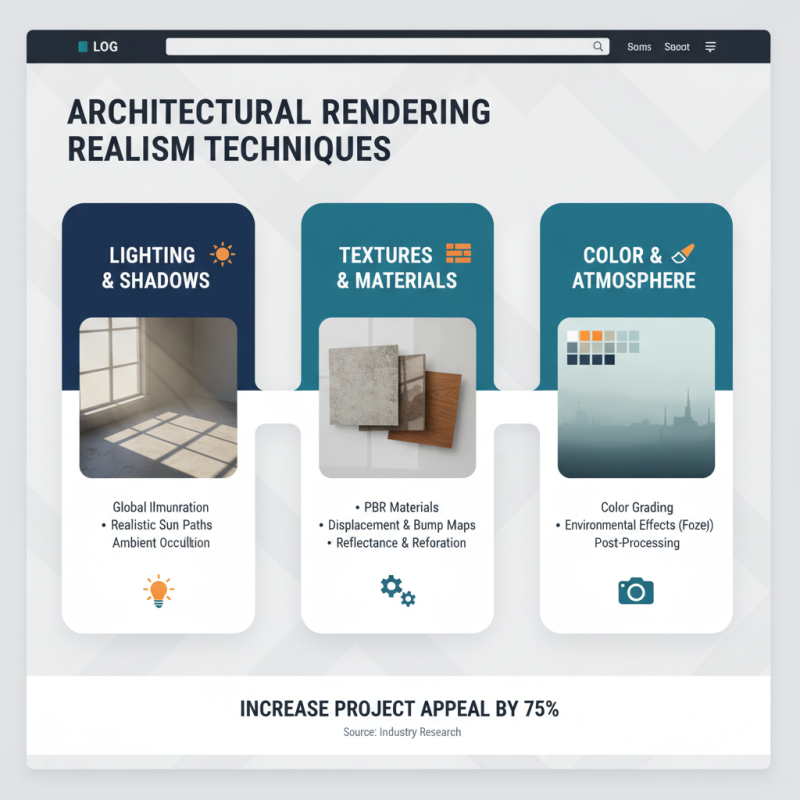
Creating stunning architectural renderings involves several techniques that enhance realism. Realism is not just about accurate colors; it also includes lighting, shadow, and textures. According to industry research, high-quality renderings can increase project appeal and client satisfaction by up to 75%. This statistic highlights the importance of detail in your work.
When working on textures, consider the materials you represent. Real-world materials have unique properties. For example, wood grain varies greatly between species. Incorporating such details elevates your renderings. Additionally, lighting can transform any scene. Natural light sources create dynamic contrasts. Overusing artificial lights can diminish authenticity.
Furthermore, reflections and inconsistencies can add depth. A perfect reflection may seem unrealistic. It's vital to allow for imperfections, as they mirror real life. Pay attention to the environment. Contextual elements like trees or people can ground a design. Data suggests that environments with contextual elements lead to a 60% greater engagement in viewer analysis. Making these choices can vastly improve how your architectural project is perceived.
Common Mistakes to Avoid in Architectural Rendering Projects
When creating architectural renderings, avoiding common mistakes is key. One frequent error is neglecting the context of the building. A stunning structure can appear out of place if its surroundings aren't considered. Incorporate elements like trees, roads, and nearby buildings to enhance realism. Vague backgrounds can distract from the main focus.
Lighting plays a crucial role in rendering quality. Poor lighting can overshadow intricate details and distort colors. Use natural light effectively to showcase the textures and materials. Experiment with different times of day. Be mindful that too much brightness can wash out details.
Another pitfall is underestimating the power of composition. A cluttered scene can confuse viewers. Aim for a balanced layout that directs the eye toward the focal point. Limit the number of objects in the frame. This creates a cleaner, more impactful presentation. Reflection on these aspects can greatly improve your architectural renderings.