Why Are Digital Renderings Essential for Global Buyers?
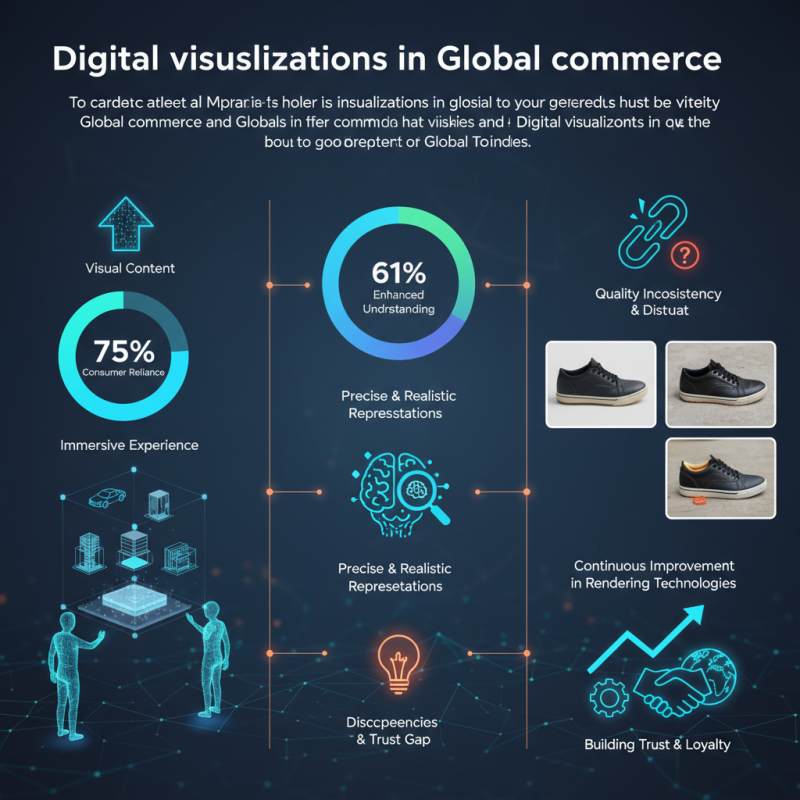
In today's competitive market, Digital Renderings play a pivotal role for global buyers. According to a report by Statista, nearly 75% of consumers rely on visual content when making purchase decisions. This highlights how essential high-quality visuals are in influencing buyer behavior. For buyers across various industries, Digital Renderings provide an immersive experience that conventional images cannot match.
Furthermore, a survey conducted by Adobe found that 61% of buyers believe that digital images significantly enhance their understanding of a product. This statistic showcases the need for precise and realistic representations. However, while many businesses embrace Digital Renderings, some still struggle with quality consistency and representation accuracy. These challenges can lead to consumer distrust, affecting overall sales.
The shift toward digital visualization is not without imperfections. Some buyers report discrepancies between actual products and their digital representations. This gap emphasizes the importance of continuous improvement in rendering technologies. Addressing these issues is crucial for companies aiming to build trust and loyalty among their global clientele.
The Role of Digital Renderings in Modern Real Estate Transactions
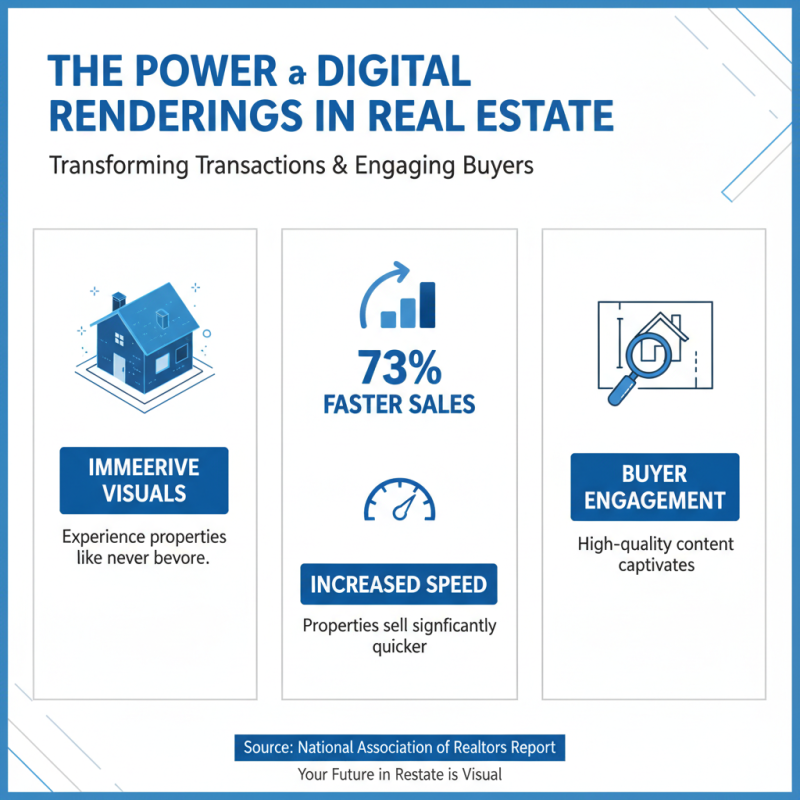
Digital renderings have revolutionized modern real estate transactions. They provide potential buyers with an immersive experience that traditional methods cannot offer. According to a recent report by the National Association of Realtors, properties with high-quality digital renderings sell 73% faster than those without. This statistic underscores the growing importance of visual content in the real estate market.
The enhancements in technology allow for more realistic and detailed representations of properties. Factors like lighting, textures, and spatial relationships come alive in digital formats. For instance, buyers can visualize their future home, not just as a structure but as a potential space for their lifestyles. Such representations help narrow down options faster, making the decision-making process more efficient. However, it's crucial for buyers to critically evaluate these renderings. They can sometimes be overly polished, presenting an unrealistically idealized version of properties.
Moreover, international buyers find digital renderings particularly beneficial. They often face geographical challenges and rely heavily on visuals when considering properties abroad. However, while digital tools enhance accessibility, they can also mislead. Buyers may form expectations based on renderings that differ from the actual property. Therefore, balancing technology with on-site visits or virtual tours remains essential. Understanding this dynamic can lead to more informed purchasing decisions in the competitive global market.
Enhancing Buyer Confidence Through Visual Representation
Digital renderings have transformed how global buyers evaluate products. In industries like real estate and furniture, visual representation is crucial. According to a recent survey by the National Association of Realtors, 87% of home buyers find photos and visual content to be effective in decision-making. This highlights the need for high-quality digital visuals that enhance buyer confidence.
When buyers see detailed renderings, they visualize their potential purchase better. A study by the Real Estate Staging Association showed staged homes with digital renderings sold 20% faster than those without. This emphasizes how powerful visuals can reduce uncertainty and create a sense of trust. However, not all renderings achieve this. Low-quality visuals can confuse buyers rather than assure them.
Tips for creating effective digital renderings:
- Use high-resolution images.
- Include diverse angles and lighting.
- Always ensure accuracy in representation.
Flawed or unrealistic visuals can lead to buyer mistrust. Realistic renderings should evoke emotions, guiding buyers towards informed decisions. Engaging visuals bridge the gap between imagination and reality, fostering a stronger buyer-seller relationship.
Comparing Traditional Marketing to Digital Renderings for Global Reach
Digital renderings have reshaped marketing strategies in a significant way. Compared to traditional marketing, they offer a more engaging and interactive experience for global buyers. A high-quality digital rendering captures details vividly. Buyers can visualize products in different settings. This immersion creates a stronger emotional connection.
Traditional marketing methods often rely on static images and text. These approaches can seem outdated, especially in a global market. While they might tell a story, they lack the dynamic nature that digital renderings provide. This multimedia approach enhances clarity. It helps potential buyers understand complex concepts simply. For instance, a rendering can showcase the textures and colors of a product, making it come alive.
Yet, digital renderings are not flawless. They require skilled professionals and time for creation. Sometimes, the digital representation may differ from the actual product. This discrepancy can lead to disappointment. Buyers may feel misled if their expectations are not met. Such challenges highlight the importance of transparent communication between sellers and buyers. Adapting marketing efforts and embracing new technology are essential for success.
The Impact of Technology on Buyer Decision-Making Processes
In today's fast-paced digital marketplace, technology plays a significant role in shaping buyer decision-making. According to a recent report by McKinsey, nearly 70% of buyers prefer engaging with digital content before making a purchase. This reflects a seismic shift toward virtual experiences. Digital renderings provide a compelling way to visualize products, bridging the gap between buyers and sellers.
Data from Statista further reveals that 83% of consumers are influenced by visual content in their purchasing choices. When buyers see high-quality renderings, they can better understand a product's features. This clarity can effectively eliminate doubts, making them more confident in their decisions. However, reliance on digital images presents challenges. Misrepresentation can occur due to poor renderings, leading to disappointment post-purchase.
Moreover, technology is evolving. Augmented reality (AR) tools are becoming more prevalent. A report by Deloitte noted that 47% of consumers are keen on using AR for shopping experiences. However, not all technology implementations are seamless. Many buyers still face hurdles, such as inadequate information or technical glitches. Digital renderings must adapt to meet these changing expectations. Continuous improvement is needed to enhance buyer trust in virtual environments.
Case Studies: Successful Global Sales Utilizing Digital Renderings
Digital renderings have revolutionized how global buyers interact with products. They offer a vivid glimpse into what is available. Potential buyers can visualize items before purchase, making decisions easier and quicker. High-quality visuals boost engagement and inspire confidence. A striking case study involved a furniture retailer that improved their online sales by 30% after incorporating realistic 3D renderings. These visuals made it easier for customers to relate to the products, increasing their willingness to purchase online.
Another example features an art gallery that utilized digital renderings for virtual exhibitions. They showcased their artworks in lifelike formats. Buyers from various countries were able to appreciate the details and craftsmanship without physical proximity. This approach expanded their customer base significantly. However, relying solely on digital renderings can also create challenges. Some customers may feel disappointed if the actual product differs slightly from the digital representation. Balancing accurate portrayals with artistic enhancements is essential for maintaining credibility and trust with buyers.