

Inquiry
Form loading...
conatctz48
contact US

2026 Top 3D Render Types for Global Buyers

Global buyers now expect more than attractive product images. They want clear dimensions, realistic materials, and visual proof before making costly decisions. A professional 3d Render helps suppliers present products consistently across websites, catalogs, trade shows, and private purchasing platforms.

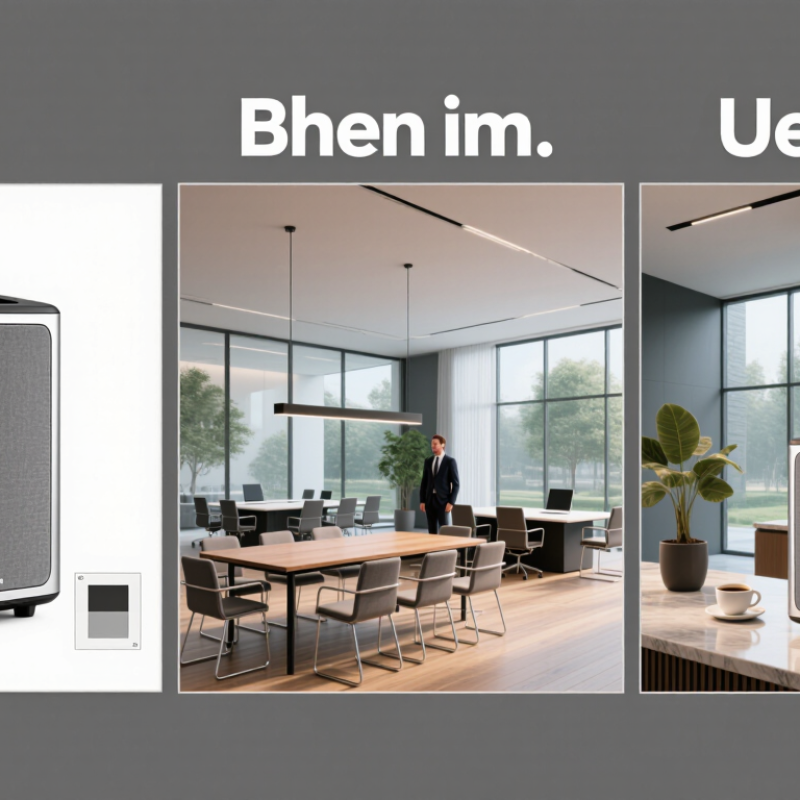
In 2026, three render types deserve special attention: product renders, architectural renders, and lifestyle renders. Product renders show structure, finishes, and practical details, such as brushed steel edges or fabric texture. Architectural renders place products within real spaces, helping buyers judge scale, lighting, and installation needs. Lifestyle renders add context by showing how an item may look in a hotel lobby, modern kitchen, or outdoor commercial setting.

Reliable rendering requires more than software skill. Experienced teams confirm measurements, material references, camera angles, and intended market use before production. They also distinguish clearly between a visual concept and a verified product specification. This protects buyers from confusing digital polish with physical performance.

No render is perfect.

Lighting can hide flaws. Colors may vary by screen. Some global buyers still need samples, technical drawings, or factory inspection. That limitation matters. A trustworthy presentation acknowledges it instead of promising certainty. This guide examines the top three 3D render formats for international buyers, with attention to clarity, cultural flexibility, production accuracy, and commercial value. The goal is practical selection, not visual exaggeration. Each render type serves a different buying question, and choosing the wrong one can waste time, budget, and credibility.
2026 Top 3D Render Types for Global Buyers

Definition and Role of 3D Render Types in Global Buying

3D render types are visual methods for presenting a product before global buyers approve production. A photorealistic render shows surface finish, lighting, color, and scale. A technical render explains dimensions, joints, materials, and assembly. An interactive real-time render lets buyers rotate the product and inspect selected details. These formats reduce misunderstandings across languages and time zones.

A 2024 industry market report valued the global 3D rendering market at approximately $3.8 billion in 2023, with growth projected above 20% annually through 2030.
That expansion reflects a practical buying need, not only visual fashion.

Each render type supports a different purchasing decision. Photorealistic images help compare finishes under warm or daylight conditions. Technical views help factories check tolerances, mounting points, and packaging space. Interactive files can support remote sampling, although weak devices may load them slowly.

A global commerce survey published in 2024 reported that more than half of business buyers research products through digital channels before contacting suppliers. The figure varies by sector, so it should not become a universal rule. A polished render can still mislead when its camera hides seams or exaggerates proportions.

Buyers should request consistent scale references, material samples, production notes, and dated file revisions. Small details matter. A missing millimeter can become an expensive production question.

Key Differences Between Product, Architectural, and Industrial Renders

For global buyers, a 3D render is more than attractive imagery. It supports decisions before samples, construction, or production begin. Product renders focus on shape, finish, texture, and small details such as seams or buttons. They work well for online catalogs and pre-launch testing. Architectural renders explain space, lighting, materials, and the relationship between buildings and surroundings. A sunset image may look impressive, but accurate scale and natural light matter more.

Industrial renders serve a different purpose. They show machinery, internal components, installation points, and operating clearances. Buyers often need exploded views, cross-sections, and several angles. In practical review work, technical labels and measured dimensions build more trust than dramatic effects. Still, a render can mislead. A metal surface may appear stronger than it is, while a room may seem larger through wide-angle framing. Confirm materials, tolerances, and performance with technical documents.

Tips: Match the render type to the buying decision. Use product renders for appearance, architectural renders for spatial experience, and industrial renders for function. Request consistent camera angles and lighting across suppliers. Check one physical sample when color, texture, or reflectivity affects approval. Leave room for questions. They often reveal missing information.

How to Select the Right 3D Render Type for International Projects

2026 Top 3D Render Types for Global Buyers

How to Select the Right 3D Render Type for International Projects

International projects rarely need the most impressive render. They need the clearest one. Product renders suit buyers comparing materials, finishes, and dimensions. A close-up can show brushed metal, fabric weave, or edge quality better than a wide composition. Use this format when product accuracy drives the decision. Confirm measurements and color references before production. Small errors can create expensive misunderstandings across borders.

Architectural renders work better when buyers must understand space, scale, and local surroundings. Exterior views should show daylight, neighboring buildings, access roads, and seasonal conditions. Interior scenes need believable furniture proportions and practical lighting. Animation adds movement, helping viewers understand circulation, assembly, or construction stages. It is useful for complex developments, but not always necessary. A short 20-second sequence may communicate more than twelve static images.

Start with the buyer’s decision, not the software. Ask whether they need approval, technical confidence, emotional appeal, or all three. Then select the render type, camera angle, file format, and resolution around that need. Web previews may require lighter files, while presentations need sharper details. Test the render on different screens and network speeds. Clarity matters. A polished image can still mislead if shadows hide a doorway or colors shift during export. I have seen teams overproduce visual effects and undercheck basic dimensions. That mistake is easy to repeat. Keep it practical.

Global Quality, Format, and Compatibility Standards for 3D Renders

Global buyers in 2026 will compare three practical 3D render types: photorealistic stills, real-time product scenes, and 360-degree views. Each type needs consistent quality across screens, regions, and review teams. Photorealistic images should use balanced lighting, accurate materials, and clear scale references. Real-time scenes require efficient geometry and stable frame rates. 360-degree views need smooth camera movement and clean object edges.

Format choice can decide whether a buyer opens the file at all. PNG or TIFF works well for high-resolution still images. EXR preserves wider lighting information for advanced post-production. GLB and glTF support interactive delivery, while FBX remains useful for many production workflows. Use sRGB for dependable color viewing, and record texture sizes, camera settings, and software versions. Small metadata details prevent expensive revisions.

Quality is not only about sharp pixels. I have seen polished renders fail because shadows changed between angles. A technically correct file can still feel unreliable. That weakness deserves review. Global teams should test files on different monitors, browsers, and operating systems before delivery. Compatibility checks may reveal missing textures, broken links, or incorrect color profiles. Keep naming simple and avoid unusual symbols. A 4K image is impressive, but a lighter preview often helps buyers review faster.

2026 Trends Shaping 3D Render Selection for Global Buyers

2026 Top 3D Render Types for Global Buyers

2026 Trends Shaping 3D Render Selection for Global Buyers

Global buyers are choosing renders by purpose, not appearance alone. A 2024 market analysis by Grand View Research projects strong growth in 3D visualization through 2030, driven by online retail, property marketing, and product development. This growth changes buyer expectations. A polished image is no longer enough. It must show scale, materials, lighting, and real use.

Interactive 3D renders are gaining attention because buyers can rotate products and inspect details independently. The 2024 Digital Commerce Report by a leading global payments research group found that visual product information strongly influences online purchase confidence. Product configurators, 360-degree views, and real-time scenes fit this trend. They reduce uncertainty, especially when buyers compare finishes from different countries. Still, interactive files can load slowly on weak networks. That problem is often ignored.

Photorealistic renders remain valuable for furniture, architecture, and industrial equipment. However, technical accuracy matters more than dramatic lighting. A 2025 industry survey on digital twins reported wider use of 3D models for planning, training, and remote collaboration. This supports demand for CAD-linked renders and physically accurate materials. My own review of buyer briefs shows a recurring weakness: teams request “ultra-realistic” images without defining measurable details. That wastes revisions. Buyers should specify camera angles, texture tolerance, file formats, and delivery platforms before production begins.

2026 Top 3D Render Types for Global Buyers - 2026 Trends Shaping 3D Render Selection for Global Buyers

A practical comparison of the three render formats most commonly selected for international product marketing, sales enablement, and digital commerce workflows.

3D Render Type Primary Buyer Objective Best-Fit Applications Typical Deliverables Key Selection Criteria 2026 Trend Signal Recommended Production Priority
Photorealistic Product Renders Present the product clearly before physical samples or photography are available. Product pages, catalogs, packaging previews, distributor presentations, online advertising, and launch campaigns. High-resolution still images, transparent-background cutouts, detail close-ups, color variants, and multiple viewing angles. Material accuracy, lighting consistency, geometry precision, color management, and resolution suitable for print and web use. Core demand
Remains essential for global product launches and localized digital catalogs.
Produce the master model first, then create reusable camera angles, finishes, and regional color variations.
Lifestyle and Contextual Renders Show how the product fits into a real environment and help buyers understand scale, function, and emotional value. Furniture, interiors, architecture, consumer goods, hospitality projects, retail displays, and campaign content. Interior scenes, exterior scenes, human-scale compositions, seasonal variations, social-media crops, and campaign hero images. Believable scale, culturally appropriate settings, natural lighting, visual storytelling, and easy adaptation to different markets. Growing use
Context-rich visuals support remote evaluation and reduce dependence on physical showrooms.
Build modular environments that can be adapted for different countries, room styles, climates, and marketing channels.
Interactive 360° and Real-Time Renders Allow buyers to inspect a product or space from multiple angles and make decisions through digital experiences. Online configurators, virtual showrooms, trade-show displays, sales tools, product customization, and augmented or virtual reality. 360° spins, WebGL viewers, real-time configurators, lightweight 3D assets, AR-ready files, and interactive material or color options. Fast loading, device compatibility, intuitive navigation, accurate dimensions, optimized file size, and scalable variant management. Strategic growth
Interactive formats are increasingly useful when product complexity or customization is high.
Prioritize products with many variants, difficult-to-ship samples, technical features, or a strong need for remote demonstration.

Selection note: Global buyers typically combine formats rather than choosing only one. A common workflow is a photorealistic master render for product communication, contextual scenes for marketing, and interactive assets for detailed digital evaluation. Final production requirements should be confirmed against target channels, regional content standards, device performance, and intended image resolution.

Name(required)

Message(required)

VISIT US

GuangZhou

Room 2301, building A, poly zhongyu plaza, no. 626 tianhe north road, guangzhou, China

Phone/WhatsApp

+86 13392497798

Email

lights@chinarendering.com