Why is 3D Architectural Rendering Essential for Global Buyers?
In the world of real estate, 3D Architectural Rendering has become a vital tool for international buyers. This advanced technology transforms two-dimensional designs into stunning visualizations. Experts agree that these renderings provide clarity and insight into a property's potential. John Smith, a leading architect in the industry, emphasizes, "3D Architectural Rendering bridges the gap between imagination and reality."
For global buyers, the importance of this technology cannot be overstated. High-quality renderings foster better understanding and appreciation of architectural plans. They highlight essential details that traditional blueprints often miss. Today’s buyers seek more than just floor plans; they crave immersive experiences. Yet, many still underestimate the value of investing in quality renderings.
Moreover, the industry faces challenges such as varying standards across different regions. It’s crucial to ensure consistency and reliability in visual presentations. As the market becomes more competitive, buyers need to reflect on their expectations. Embracing the potential of 3D Architectural Rendering leads to informed decisions and successful investments.
The Role of 3D Architectural Rendering in Global Real Estate Market
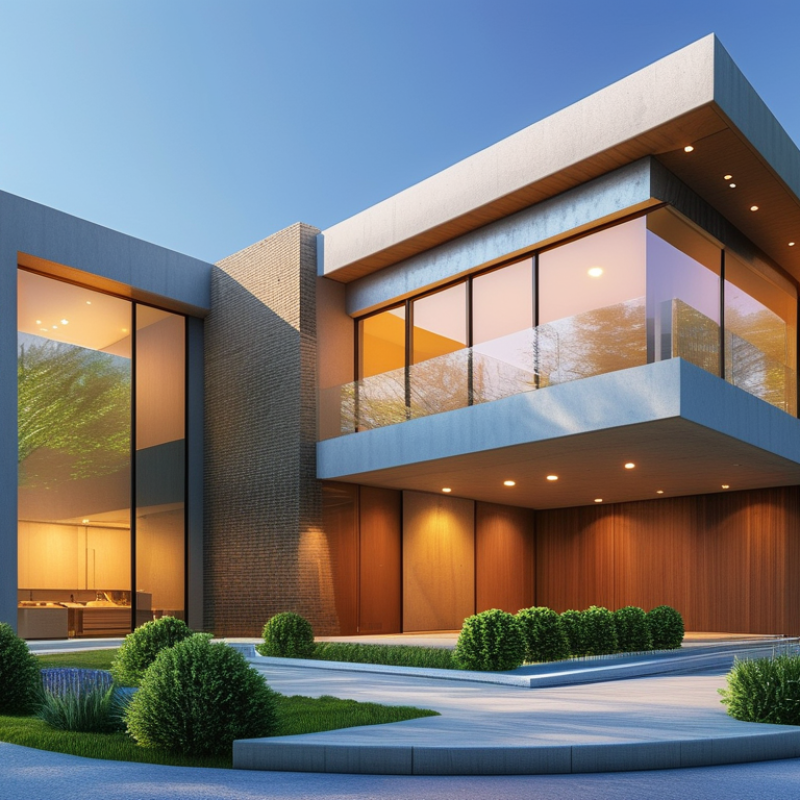
3D architectural rendering plays a critical role in the global real estate market. This technology allows buyers to visualize properties with stunning clarity. In an era where sight is everything, virtual models give potential buyers a comprehensive view of their future investment. Buyers can explore every corner, detail, and finish. This immersive experience boosts confidence in purchasing decisions.
When selecting a property, global buyers seek more than just images. They desire a vivid presentation that showcases design and functionality. 3D rendering serves as a virtual tour, eliminating the guesswork. It enables buyers to envision their living spaces, making the decision-making process smoother. Architectural elements come alive, highlighting quality and aesthetics.
Understanding how to maximize rendering impact is crucial. Start with a well-defined concept. Ensure that every detail aligns with project goals. Keep lighting and texture realistic. Also, seeking feedback can refine the final output. Sometimes, what looks good on screen might not translate well to real life. Always be open to adjustments and improvements. Prioritize creating lifelike visualizations to meet buyer expectations effortlessly.
Enhancing Visualization: The Impact of 3D Renderings on Buyer Decisions
3D architectural rendering plays a crucial role in shaping buyer decisions in today’s competitive market. When potential buyers evaluate properties, visual appeal greatly influences their choices. 3D renderings provide rich visual details that traditional plans cannot. A well-crafted rendering showcases textures, colors, and spatial relationships in ways that spark the imagination. This enhanced visualization makes it easier for buyers to envision living in a space, drastically improving the likelihood of a sale.
However, not all 3D renderings are created equal. In some cases, the provided visuals can be overly idealized or lack accuracy. Buyers may be left feeling misled if the final product does not match the rendered image. This discrepancy can erode trust, highlighting the need for reliability in 3D visualization. Working with skilled professionals who prioritize realistic representation can significantly mitigate these risks. Ensuring that the final output aligns closely with buyer expectations is essential for maintaining credibility in the market.
Impact of 3D Architectural Renderings on Buyer Decisions
Cost-Effectiveness of 3D Renderings for International Property Buyers
In the competitive market of international real estate, 3D architectural rendering offers significant cost-effectiveness for global buyers. According to a report by the Harvard Business Review, high-quality visual content can drive a 41% higher click-through rate. With engaging renderings, buyers can better visualize properties, reducing the likelihood of dissatisfaction after purchase. This visual clarity helps bridge the gap for remote buyers, making them feel more confident in their investment.
While 3D renderings enhance perceived value, they also streamline the buying process. Remote listings often suffer from misrepresentation. Quality renderings address this issue, showcasing properties accurately. A study from Deloitte indicates that virtual tours and 3D renderings can decrease the time spent on property viewings by up to 30%. However, it’s essential to ensure that these renderings remain true to the actual property. Overly polished images can lead to disappointment for buyers who arrive expecting perfection.
When considering 3D renderings, it’s vital to communicate effectively with real estate professionals. Discuss the level of detail and realism you expect. While many companies offer impressive visuals, not all meet the same standards. Clear communication can help ensure that the final product aligns with your expectations. Remember, investing in quality and transparent communication is just as crucial as the visual aspect, adding to the overall value of your international property purchase.
Building Trust: How 3D Renderings Foster Transparency in Transactions
3D architectural rendering has transformed the way buyers perceive properties. It helps buyers visualize spaces that don’t yet exist. This technology fosters transparency in real estate transactions. High-quality 3D images allow buyers to see architectural details, colors, and layouts. Buyers can explore properties from their homes, reducing uncertainty.
However, it does not eliminate all risks. Sometimes, renderings can create unrealistic expectations. Projects may differ from images shown, leading to disappointment. It is essential for buyers to understand that these are digital representations. Clear communication between developers and clients can mitigate misunderstandings.
The use of 3D renderings builds trust between parties. When buyers see accurate and detailed renderings, they feel more confident. This helps to establish a reliable rapport with sellers. While the technology is impressive, buyers should remain vigilant. They should verify information and clarify any uncertainties. Balancing trust with skepticism can lead to better decisions.
Trends in 3D Architectural Rendering: Meeting the Needs of Global Buyers
3D architectural rendering is transforming how global buyers perceive properties. As the market becomes increasingly competitive, meeting the specific needs of these buyers is crucial. High-quality renderings provide a tangible sense of space and design. This visual representation allows potential clients to imagine themselves in a space long before it is built.
The trends in 3D architectural rendering reflect a shift towards more immersive experiences. Virtual reality and augmented reality are becoming prevalent tools. These technologies create interactive environments, enhancing client engagement. Buyers appreciate seeing their future homes through lifelike visuals. This approach not only impresses them but also helps in making informed decisions.
Tips for effective 3D rendering include focusing on details. Highlight key architectural features that define a space. Use realistic lighting to create mood and atmosphere. Not all renderings will resonate equally with every client, so wise feedback integration is essential. Understanding buyer feedback can direct improvements and refine presentation techniques. It's vital to keep up with technological advancements for continual growth in this field.
Why is 3D Architectural Rendering Essential for Global Buyers? - Trends in 3D Architectural Rendering: Meeting the Needs of Global Buyers
| Dimension |
Description |
Importance |
Current Trends |
| Quality of Visualization |
High-quality renderings provide realistic visuals of the project. |
Essential for attracting buyers and investors. |
Use of advanced rendering technologies like VR and AR. |
| Cost Efficiency |
3D rendering reduces costs associated with physical models. |
Saves resources while still achieving high visual impact. |
Increased use of cloud rendering services. |
| Project Communication |
Enhances communication between architects, clients, and stakeholders. |
Ensures all parties are aligned on vision and expectations. |
Integration of collaborative software for better team interaction. |
| Market Demands |
Increasing demand for tailored designs in the real estate market. |
Helps respond to specific buyer needs effectively. |
Customization features in renderings gaining popularity. |
| Sustainability |
3D rendering can showcase sustainable building practices and materials. |
Attracts environmentally conscious buyers. |
Highlighting eco-friendly features in projects becoming standard. |