
Inquiry
Form loading...
conatctz48
contact US

China Best SketchUp To Render Services for Global Buyers?

For global buyers, choosing the right Sketchup To Render service involves more than comparing prices or browsing polished portfolio images. A convincing render should explain space, materials, lighting, and design intent with practical clarity. It should also respect local building styles, buyer expectations, time zones, and project communication standards.

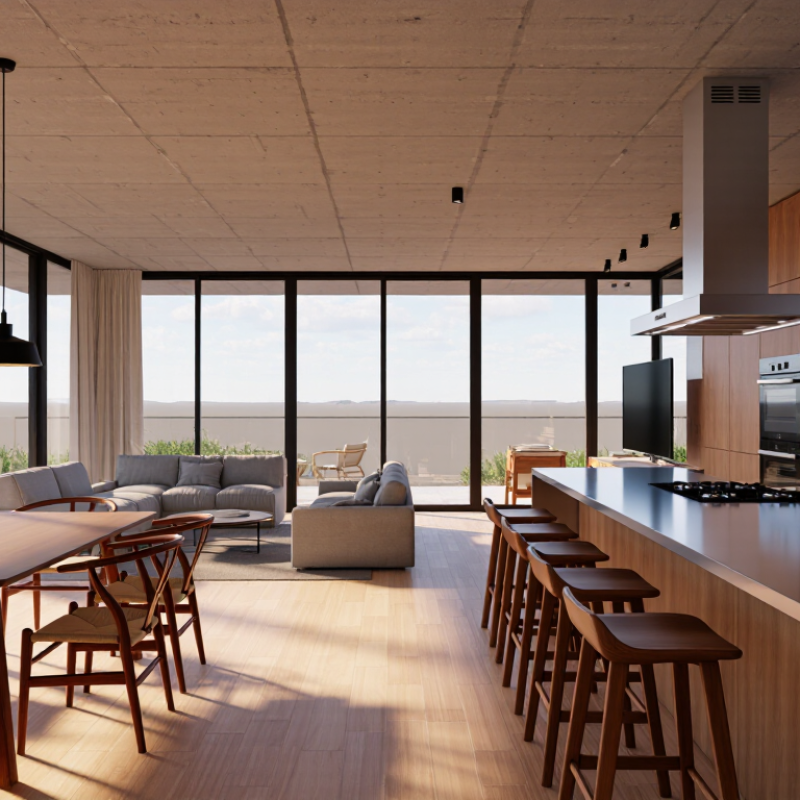
Daniel Tal, author of Rendering with SketchUp, has expressed a valuable principle: “Rendering should serve communication before decoration.” This idea remains relevant for international projects. A skilled team can transform a simple SketchUp model into a detailed visual scene, with warm daylight across a timber floor, realistic shadows beneath furniture, and accurate reflections on kitchen surfaces. The result should feel believable, not artificially perfect.

Experience matters.

Professional providers usually check model structure, missing textures, camera angles, and scale before rendering. They ask useful questions about the target audience and final image purpose. Marketing images need emotional atmosphere. Construction discussions require clearer material and spatial accuracy. These goals are different.

However, no service is flawless. Some impressive images hide weak geometry or incorrect proportions. I have also seen projects lose time because clients supplied unclear references. That problem deserves honest attention. Reliable Sketchup To Render partners explain limitations, confirm revision rounds, protect project files, and communicate realistic delivery dates. They should provide test views before producing a complete image set.

This guide examines how global buyers can evaluate expertise, workflow, visual quality, communication, and value. The strongest choice is not always the cheapest. It is the provider that turns design information into dependable visual evidence.
China Best SketchUp To Render Services for Global Buyers?

What SketchUp-to-Render Services Include

China Best SketchUp To Render Services for Global Buyers?

SketchUp-to-render services convert a working 3D model into presentation-ready images. Typical work includes geometry cleanup, layer organization, missing-component replacement, and file compatibility checks. Specialists then assign materials, such as brushed stone, matte paint, oak grain, or reflective glass. They refine daylight, artificial lighting, shadows, camera height, and lens perspective. The 2021 National BIM Report found that 73% of respondents used BIM, showing wider demand for coordinated digital models. Yet, a SketchUp file is not automatically construction-ready. Small errors matter.

A reliable provider should review the brief before rendering. That review should identify room dimensions, target audience, image size, and required viewpoints. It should confirm whether textures come from measured samples or visual estimates. Render packages may include still images, 360-degree views, short walkthroughs, source files, and web-optimized formats. The 2023 State of Design and Make report found that 55% of industry leaders considered sustainability a major business priority. This supports careful material representation and daylight studies. Revision logs also reduce avoidable rework.

Professional judgment appears in small details. A kitchen needs believable under-cabinet glow, not just brighter exposure. A facade needs material scale, edge definition, and realistic sky reflection. In practice, I have seen attractive renders hide incorrect dimensions. That weakness deserves honest labeling. Ask for a test frame, revision limits, delivery dates, and similar project samples. The cheapest quote may omit model repair, making the final cost higher.

What SketchUp-to-Render Services Include

This practical 40-hour project plan shows how production time is typically allocated across the main stages of converting a SketchUp model into presentation-ready renderings.

The allocation covers model preparation, materials, lighting, camera setup, rendering, and post-production. Actual time varies by model complexity, number of views, and required output quality.

How China-Based Rendering Services Process Project Files

China-based rendering teams usually begin by receiving SketchUp files through a secure project channel.
They check file versions, missing textures, model scale, and linked components before production. This prevents avoidable rework. A coordinator then records the requested views, output size, lighting mood, and delivery date. Experienced teams ask for reference images when design intent is unclear. That small question often saves hours.

Artists clean hidden geometry, repair broken paths, and organize scenes for stable rendering. They preserve the original design while adjusting materials, camera height, and natural light. Large files may be divided into manageable scenes. A technical lead reviews test images for incorrect reflections, rough edges, or floating objects. Clients normally receive previews before final high-resolution output. Comments should be specific. “Make it warmer” needs a visual reference, or interpretations can drift.

Reliable workflows keep revision records and name every approved camera clearly. They also confirm color profiles, image dimensions, and archive requirements before export. In practice, file preparation affects quality more than many buyers expect. Yet no process is perfect. Heavy textures can slow review, and rushed feedback may create inconsistent revisions. A capable service explains these limits instead of promising effortless results. That honesty supports better decisions for international buyers.

Which Quality Standards Global Buyers Should Evaluate

Global buyers should judge SketchUp-to-render services by measurable quality standards, not attractive previews. A bright image can hide incorrect geometry, weak textures, or missing construction details. Geometry accuracy comes first. Check dimensions, wall thickness, openings, furniture scale, and camera alignment against the original SketchUp file. Request a comparison sheet with marked revisions.

The 2024 Global 3D Rendering Market Analysis estimated the market at about US$5.95 billion in 2023, with strong projected annual growth. This growth increases supplier choice, but not necessarily quality. The 2024 State of Design and Make study surveyed more than 5,000 industry professionals, showing how widely digital workflows now influence project decisions. For international buyers, consistent workflows matter. Ask whether the provider follows written naming, export, color, and revision standards. Confirm delivery in suitable formats, including high-resolution images and editable source files where required.

Lighting needs practical testing. A kitchen should show believable under-cabinet shadows, not glowing surfaces. Exterior scenes should retain window reflections and material texture. Request daylight and evening samples. Also verify revision limits, response times, and secure file handling. A missing texture can be fixed quickly. Incorrect proportions are more expensive. I would also inspect imperfect samples. Overly polished portfolios may conceal real production problems. One concern remains: many services promise photorealism without defining measurable acceptance criteria. Buyers should create their own checklist before ordering.

China Best SketchUp to Render Services for Global Buyers? — Which Quality Standards Global Buyers Should Evaluate

Evaluation Dimension Recommended Quality Standard Measurable Acceptance Criteria Evidence Global Buyers Should Request Buyer Risk if Not Verified
SketchUp Model Integrity The rendered scene should accurately reflect the supplied SketchUp model, dimensions, materials, openings, furniture, and design intent. No unauthorized geometry changes; visible dimensions, camera views, and major components match the approved model and reference drawings. Before-and-after screenshots, scene comparison checklist, and a marked-up review file. The final image may look attractive but fail to represent the actual design.
File Compatibility The workflow should support commonly exchanged 3D and image formats without unnecessary conversion loss. Confirm compatibility for the supplied SketchUp version and required outputs such as SKP, FBX, OBJ, DWG, PNG, TIFF, or JPEG where applicable. A written software/version list and a test export using a small sample file before production. Missing textures, broken geometry, incorrect scale, or unusable deliverables.
Geometric Accuracy Models should preserve correct proportions, alignment, scale, and architectural details. Critical dimensions and alignment points should be checked against drawings or schedules; no visible floating, intersecting, or duplicated objects. Dimension-overlay screenshots, model inspection notes, and a defined tolerance for production-critical elements. Incorrect construction decisions, misleading marketing images, or costly redesign work.
Material and Texture Realism Materials should show believable scale, reflectance, roughness, transparency, bump, and texture direction. Texture scale matches the reference; wood grain, tiles, fabrics, glass, and metals display consistent physical behavior under the selected lighting. Material board, texture-source record, and close-up test renders before final production. The scene can appear artificial, inaccurate, or inconsistent across multiple views.
Lighting and Exposure Lighting should support the intended mood while preserving detail in highlights, midtones, and shadows. No distracting clipping, excessive noise, unnatural shadow direction, or inconsistent exposure between views. Low-resolution lighting preview, exposure notes, and a comparison against approved reference images. Important design features may be hidden or the presentation may look visually inconsistent.
Camera Composition Camera position, focal length, perspective, vertical lines, and framing should match the approved brief. Each view should have an approved camera ID or description, consistent aspect ratio, and no unintended perspective distortion. Camera sheet, thumbnail previews, and written approval of viewpoints before high-resolution rendering. The final composition may fail to communicate the intended space or product.
Image Resolution and Output Output resolution should be selected according to the final use: website, presentation, social media, print, or large-format display. The delivery specification should state pixel dimensions, aspect ratio, file format, color profile, transparency requirements, and compression settings. A written output schedule and sample files checked at 100% viewing size. Blurry details, unsuitable cropping, large file sizes, or poor print and web performance.
Color Management The service should use a consistent color workflow and clearly identify the color space used for delivery. Images should be delivered in the agreed color profile, commonly sRGB for digital use or a print-specific profile when required. Color-profile metadata, calibrated review samples, and a stated monitor and export workflow. Colors may shift between devices, browsers, printers, and marketing materials.
Rendering Noise and Artifacts Final images should be clean and free from visible fireflies, jagged edges, flicker, denoising smears, missing textures, and rendering defects. Inspection at 100% scale should show clean edges, stable details, and no visible defects in focal areas. 100% crop samples from difficult areas such as glass, foliage, reflective surfaces, and fine geometry. Professional presentation quality is reduced and post-production costs increase.
Revision and Approval Control The provider should use a documented review process with version control and clearly defined revision limits. Each revision should reference a dated preview, consolidated comments, responsible approver, and updated delivery status. Revision policy, feedback template, file-naming convention, and approval records. Repeated misunderstandings, uncontrolled costs, and delays in final approval.
Delivery Reliability Schedules should include milestones for asset review, draft previews, client comments, and final delivery. The agreed timeline should identify working days, time-zone assumptions, dependencies, and the effect of late client feedback. Project schedule, milestone tracker, communication response policy, and escalation contact. Missed launch dates, coordination problems, and additional rush fees.
Data Security and Confidentiality Client models, drawings, product information, and unpublished images should be protected throughout transfer, storage, and review. Use controlled access, secure file transfer, defined retention periods, and a signed confidentiality agreement where appropriate. Confidentiality agreement, access-control description, deletion policy, and optional information-security certification evidence such as ISO/IEC 27001. Unauthorized disclosure, intellectual-property disputes, or loss of sensitive project files.
Quality Management A repeatable quality-assurance process should be used rather than relying only on individual artistic judgment. A documented checklist should cover geometry, materials, lighting, camera, resolution, color, naming, and final file integrity. Sample QA checklist, internal approval record, corrective-action process, and optional ISO 9001 certification evidence. Quality varies between scenes, operators, or project stages.
Final Handover Package Files should be organized so the buyer can identify, review, archive, and reuse the deliverables efficiently. Include final images, source files if contracted, texture references, font or asset licenses where relevant, version numbers, and a delivery manifest. Sample folder structure, file manifest, naming rules, and confirmation of ownership or usage rights. Difficult archiving, missing dependencies, unclear usage rights, or expensive future updates.
Buyer evaluation note: Request a small paid test scene or sample workflow before awarding a large project. Compare technical accuracy, visual quality, communication, revision handling, data protection, and delivery discipline rather than judging price alone.

How Pricing, Timelines, and Revisions Are Typically Managed

China Best SketchUp To Render Services for Global Buyers?

How Pricing, Timelines, and Revisions Are Typically Managed

For global buyers, rendering prices usually depend on model complexity, image quantity, and required realism. A simple interior view may cost less than a detailed exterior scene with landscaping, furniture, and custom lighting. Experienced providers often quote per image or project phase. Ask whether modeling, material setup, lighting, and post-production are included. Hidden tasks create avoidable disputes.

A typical residential image may take three to seven business days after receiving a clean SketchUp file. Larger projects need longer schedules. The first preview often shows composition, materials, and lighting direction. Clients should provide references, dimensions, and camera views early. Small details matter. One missing floor plan can delay the whole workflow.

Revision terms should be written before payment begins. Many teams include one or two revision rounds, while major design changes may cost extra. A useful agreement defines response times, final resolution, file formats, and approval stages. In my experience, vague feedback causes more delays than technical problems. “Make it warmer” is not precise enough. Specify color, brightness, or material changes.

A dependable service also explains deposits, delivery milestones, and secure file handling. Do not choose only by the lowest quote. I have seen cheap estimates grow after revisions were added. Still, higher pricing does not guarantee better judgment. Request a sample workflow, confirm who checks the final image, and keep every decision in writing.

How to Select a Reliable Chinese Rendering Partner

Choosing a reliable Chinese rendering partner requires more than comparing prices. Start with recent project samples, not only polished images on a website. Look for realistic materials, accurate lighting, clean edges, and consistent furniture scale. Ask whether the team has handled projects similar to yours, such as retail interiors, housing developments, or product spaces.

Request a small paid test using your own SketchUp file. This reveals modeling accuracy, rendering quality, file handling, and response speed. A professional team should explain its workflow clearly, from scene preparation to final corrections. Ask who will manage your project and how technical questions are recorded. Time-zone differences can help, but unclear communication still creates delays. Do not rely on promises alone. Written milestones are safer.

Check the team’s experience through client references, project dates, and staff qualifications. Contracts should define image resolution, revision limits, delivery dates, ownership rights, and confidentiality duties. Clarify whether your original files remain protected after delivery. Ask how backups are managed and who can access them. Be careful with an unusually low quote. It may exclude modeling, revisions, or commercial usage rights. Still, expensive does not always mean better.

A practical test is simple. Send one scene and request two lighting directions. Compare the results against your brief, not personal taste alone. No checklist is perfect. A first review may miss small texture errors or incorrect camera height. Allow time for a second inspection, especially before client presentation. Reliable cooperation is built through visible process, precise feedback, and consistent delivery.

Name(required)

Message(required)

VISIT US

GuangZhou

Room 2301, building A, poly zhongyu plaza, no. 626 tianhe north road, guangzhou, China

Phone/WhatsApp

+86 13392497798

Email

lights@chinarendering.com