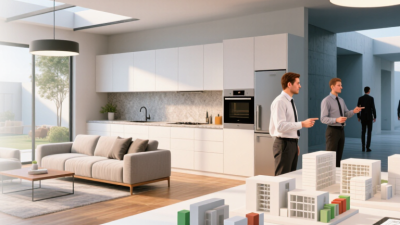


How to Choose the Best Real Estate Rendering Service?
Choosing the right Real Estate Rendering service is no longer a purely aesthetic decision. It affects trust, marketing speed, and how buyers imagine an unfinished property.
The National Association of REALTORS® 2024 Profile of Home Buyers and Sellers reports that 43% of buyers begin their search online. It also finds that 81% of buyers consider property photographs very useful. These figures make visual quality commercially important. Yet attractive images alone cannot rescue inaccurate layouts, unrealistic lighting, or misleading materials. A marble kitchen that looks perfect on screen may feel cold and impractical in person.
Ronen Bekerman, an architectural visualization educator and founder of The Craft, has described the goal simply: “The best image is the one that tells a story.” That principle should guide your evaluation. Ask whether the provider understands architecture, target buyers, local design expectations, and camera composition. Request comparable project samples, revision policies, delivery timelines, and proof of technical accuracy. A reliable studio should explain its workflow, from 3D modeling and texture selection to final color correction.
The Zillow Consumer Housing Trends Report also shows how strongly buyers depend on digital information before visiting a property. However, data does not replace judgment. I would not select the cheapest provider automatically. Nor would I trust a dramatic portfolio without checking floor-plan consistency and client feedback. The best choice balances realism, communication, technical expertise, and measurable marketing needs. Sometimes, less gloss creates more confidence.
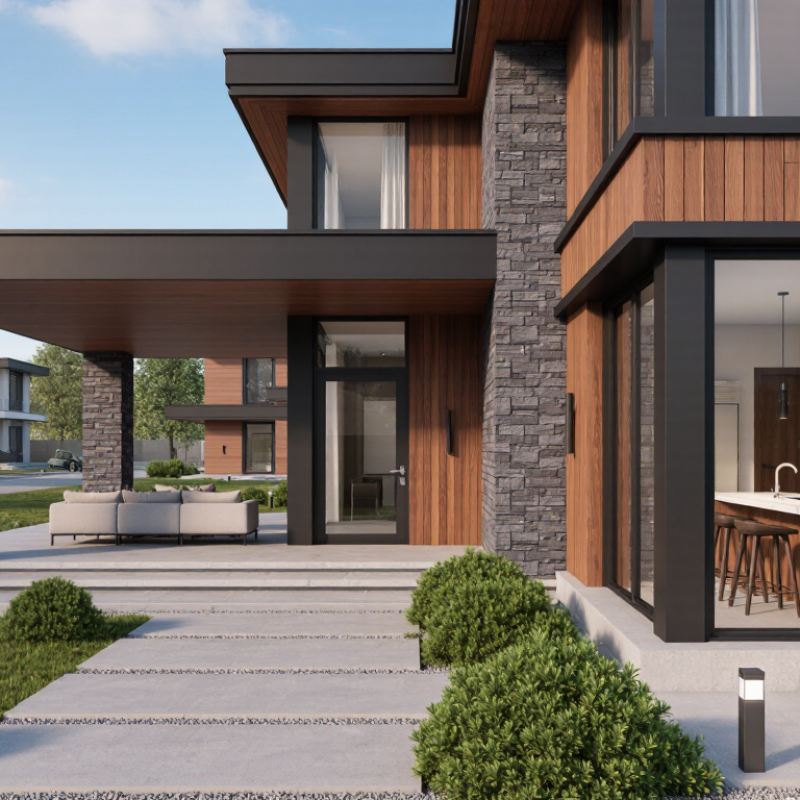
Define Project Scope Around NAR’s 2023 Finding That 81% Value Listing Photos
How to Choose the Best Real Estate Rendering Service?
Define the project around what buyers actually use. The National Association of Realtors’ 2023 Profile of Home Buyers and Sellers reports that 81% of buyers considered listing photos the most useful website feature. It also found that 83% of sellers wanted their agents to use high-quality photography. That evidence changes the brief. A rendering service should improve visual clarity, not simply produce attractive images.
Ask whether you need enhanced photographs, 3D interiors, virtual staging, floor plans, or exterior massing. Each output needs different expertise. Confirm image dimensions, delivery formats, revision limits, and turnaround times before production begins. Request one sample showing lighting, furniture scale, window views, and material texture. Small details matter. An oversized sofa can distort a room’s perceived value. Unrealistic shadows can weaken trust.
Use a service with a documented quality-control process. Compare the draft against the original property, room measurements, and approved design notes. A polished image can still misrepresent space. That risk deserves attention. I would leave time for one imperfect draft, because it can reveal unclear instructions or missing references. The NAR report supports prioritizing listing imagery, but it does not excuse careless production. Choose a provider that combines visual skill, real-estate familiarity, transparent revisions, and accurate representation.
Assess Photorealism, Scale Accuracy, Lighting, Materials, and Architectural Detail
How to Choose the Best Real Estate Rendering Service?
Assess Photorealism, Scale Accuracy, Lighting, Materials, and Architectural Detail
A strong real estate rendering should feel believable before it feels beautiful. Photorealism depends on accurate geometry, natural textures, and convincing depth.
Ask whether the team uses architectural drawings, site measurements, and verified dimensions. A sofa that is too large can quietly distort the entire room.
Compare doors, windows, ceilings, and furniture with the original plans. Scale errors are easy to miss on a screen.
Lighting and Materials
Lighting deserves practical testing. Daylight should match the stated orientation and time of day. Interior fixtures need believable intensity, color, and shadow softness.
Hard shadows may suit a sunny afternoon, but they can weaken a cloudy exterior scene. Materials also require close inspection.
Marble needs varied veining, wood needs grain direction, and glass needs controlled reflections. Perfect surfaces often look less realistic.
Architectural Detail
Architectural detail separates a quick image from a useful presentation. Check balcony edges, trim, handles, joints, mullions, and landscaping transitions.
Experienced artists usually explain their workflow, revision limits, delivery stages, and quality checks clearly. Request a small sample or a marked test view before commissioning many images.
I have seen attractive renders fail because the camera height felt unnatural. My own early reviews sometimes focused too much on polish and missed incorrect proportions. That mistake is worth remembering.
Reliable communication, documented changes, and a final comparison with the drawings can prevent expensive corrections.
Compare Turnaround Times, Revision Policies, and Delivery Formats for MLS Launches
When preparing an MLS launch, turnaround time can shape the entire marketing schedule.
Ask for a written delivery window, not a casual promise. A standard exterior rendering may arrive within two to five business days. Complex interiors often need longer. Confirm whether weekends, holidays, and client feedback affect the deadline. One missed image can delay a listing’s first impression.
Revision policies deserve equal attention.
Some services include one or two correction rounds, while others charge for every change. Ask what counts as a revision. A color adjustment differs from rebuilding a room, roofline, or landscape. Share marked-up references before production begins. This reduces confusion.
Still, even careful instructions can miss small details. I have found that a window frame or light fixture may look wrong only after viewing the full image. A dependable service should explain its correction process without defensiveness.
Delivery formats must match MLS requirements and your wider campaign.
Request high-resolution JPEG files for listing uploads, plus web-sized versions for faster page loading. Ask whether files use the correct color profile, dimensions, and naming structure. A transparent PNG may help with brochures, but it may not suit every listing platform. Check the final files on a phone and desktop before launch. Rendering quality matters, but practical delivery matters more.
Evaluate 3D and Virtual Tour Options, Used by 31% of Buyers per NAR 2023
Choosing a real estate rendering service starts with buyer behavior, not software labels. NAR’s 2023 data reports that 31% of buyers used virtual tours during their search. That figure makes tour quality a practical selection factor. A polished walkthrough should load quickly, show room connections, and preserve realistic scale. Ask for a live sample, not only attractive still images. Check whether windows, floor textures, and furniture proportions look believable. Small distortions can weaken trust.
Use 3D renderings when a property is unfinished, empty, or difficult to photograph. They can show a furnished living room, balcony outlook, or proposed kitchen clearly. Virtual tours serve a different purpose. They let viewers move through spaces at their own pace, helping remote buyers compare layouts. Request mobile testing, clear navigation, and accurate room labels. A service with a documented review process is safer than one promising instant perfection. Ask who verifies measurements. Ask how revisions are handled.
Experience matters when reviewing the first draft. Compare the digital scene with plans, photographs, and actual materials. Color can shift between screens. It happens. The best provider explains limitations instead of hiding them. I would test an awkward room, such as a narrow hallway, before approving a full project. If the service cannot represent difficult spaces honestly, impressive images may not reflect the buyer’s real experience. Pricing should identify revision limits, delivery dates, file formats, and tour hosting terms in writing.
Verify Licensing, Data Security, Pricing Transparency, and Portfolio References
How to Choose the Best Real Estate Rendering Service?
Choosing a real estate rendering service starts with verification, not visual style. Ask whether the company has an active business license and qualified professionals. Licensing requirements vary by location, so request registration details when possible. A polished website proves little. During project reviews, I have found that clear documentation often predicts smoother cooperation. It also shows whether the provider understands professional responsibility.
Data security deserves equal attention. Ask where files are stored, who can access them, and when they are deleted. Use secure file-sharing channels for floor plans, property documents, and private client information. Never assume confidentiality without written terms. Pricing should be equally clear. Request an itemized quote covering modeling, revisions, rendering resolution, delivery time, and possible extra charges. A cheap estimate may hide expensive changes later.
Review the portfolio carefully. Look for projects similar to yours, not only dramatic images. Check daylight balance, material texture, furniture scale, and architectural accuracy. Ask for references from recent clients, then confirm communication quality and deadline performance. A portfolio can be carefully selected. It may not show difficult projects. I once focused too heavily on image quality and overlooked revision limits. That mistake taught me to compare process, evidence, and service terms together. When details remain unclear, pause before paying a deposit.
Related Posts
-
Why Is 3D Architectural Rendering Important?
-
2026 Top Trends in 3D House Rendering for Global Buyers?
-
Comparing Top 3D House Rendering Services: Which One Delivers the Best Results?
-
10 Tips for Stunning 3D Home Rendering
-
Exploring the Future of 3D Architectural Rendering: Innovative Techniques Shaping Modern Design
-

Top 10 Tips for Stunning 3D House Rendering Techniques?