2026 How to Use Architectural Animation for Global Projects?
In the realm of global architecture, Architectural Animation has emerged as a transformative tool. It enables stakeholders to visualize complex designs before construction begins. This vital practice helps bridge the gap between conceptual ideas and real-world execution. By showcasing projects dynamically, it enhances communication amongst architects, clients, and investors.
Consider the impact of vivid animations that breathe life into blueprints. They offer an immersive experience, allowing viewers to walk through spaces virtually. Whether it's a skyscraper in New York or a cultural center in Tokyo, Architectural Animation breaks down geographical barriers. However, creating such animations requires skill and time. Sometimes, the imaginary worlds portrayed may not reflect the final outcome accurately.
In an era where clarity is paramount, the responsibility lies with creators to depict a truthful vision. Mistakes in animation can lead to misunderstandings or unrealistic expectations. Ultimately, mastering Architectural Animation means embracing both its power and its limitations. Striking that balance is crucial for successful global projects.
Importance of Architectural Animation in Global Projects
Architectural animation plays a crucial role in global projects. It translates complex designs into engaging visual narratives. This medium helps stakeholders visualize a project before construction begins. Realistic animations provide an understanding of scale, materials, and lighting. Such representations can be far more effective than static images. They evoke emotional responses, making designs more relatable.
In global projects, cultural nuances must be considered. Architectural animation allows for adjustments based on local preferences. It can illustrate how a building fits within its environment. However, creating animations that resonate with diverse audiences is challenging. Designers must avoid stereotypes and embrace authenticity. Engaging local experts can enhance the accuracy of these representations.
Animation can also highlight potential issues. Color schemes might clash with surroundings. The intended atmosphere may not align with local expectations. These reflections are vital for success. They prompt designers to reevaluate their choices. With thoughtful animation, creators can refine their visions and engage communities.
Key Techniques for Creating Effective Architectural Animations
Architectural animation plays a vital role in presenting global projects. These animations showcase how designs interact with their environments. Utilizing effective techniques can enhance communication and understanding among stakeholders.
Creating engaging architectural animations requires a focus on detail. Pay attention to lighting, textures, and movement. Realistic materials enhance the immersive experience. Use 3D modeling software to bring designs to life. This can help visualize intricate features that static images may miss. Incorporating lived-in elements, like people or furniture, adds a touch of realism. Viewers connect better with relatable scenes.
Consider this when you create animations. Reflect on the narrative you are telling. A compelling story guides the viewer’s experience. Sometimes projects miss the mark. They might lack context or fail to connect emotionally. Remember to seek feedback early and adjust accordingly. This iterative process can significantly improve the final product. Engaging animations can bridge cultural differences and convey a universal appeal.
Integrating Cultural Elements in Global Architectural Animations
In the realm of architectural animation, integrating cultural elements is crucial. Each community possesses unique stories and traditions. An effective animation should reflect these subtleties. For example, local materials, historical references, and design styles can enhance a project’s appeal. A sleek, modern design might clash with a community that values tradition. It’s essential to dive deep into the local culture and represent it authentically.
Cultural integration also means collaborating with local artists and historians. Engaging them ensures the animation resonates with the audience. Often, projects overlook this vital step, leading to a disconnect. A successful animation can evoke pride and a sense of place. Consider how colors, patterns, and sounds can reflect local heritage. The animation should tell a story that locals can identify with.
Still, challenges exist. Balancing modern architectural trends with traditional elements can be tricky. Some might view modern aesthetics as overshadowing cultural aspects. It’s a dance of respect and innovation. Striving for harmony in these contrasts is an ongoing journey for many architects and animators.
Tools and Software for Architectural Animation Production
Architectural animation has transformed how projects are presented globally. Understanding the tools and software available is crucial. A variety of software options exist, ranging from advanced rendering engines to intuitive modeling platforms. Each serves its purpose in the production pipeline. For instance, modeling software lets architects create detailed 3D structures. It can take time to learn these tools thoroughly, but mastery offers significant rewards.
Rendering engines are vital for achieving realistic animations. They allow users to simulate lighting, textures, and materials. These elements bring designs to life, but not every tool excels at every detail. Experimentation is key. Artists might find that one tool handles shadows better, while another excels in material rendering. Testing different software can highlight strengths and weaknesses you weren't aware of at first.
Choosing the right software often depends on the project's scope. Complex global projects may require more robust solutions. Collaboration tools are essential for teams spread across different locations. However, relying solely on technology can lead to miscommunication or creative discrepancies. It's important to balance software use with regular discussions among team members. Understanding each other's capabilities will enhance the final product.
2026 How to Use Architectural Animation for Global Projects?
| Tool/Software |
Main Features |
Suitable Projects |
Ease of Use |
Cost |
| Lumion |
Real-time rendering, large object library, video creation |
Residential, Commercial, Urban Planning |
Beginner Friendly |
$1499 |
| Blender |
Open-source, powerful modeling tools, animation capabilities |
All types of architecture |
Advanced |
Free |
| V-Ray |
High-quality rendering, compatibility with various software |
Interior Design, Exterior Visualization |
Intermediate |
$350 - $700 |
| 3ds Max |
3D modeling, animation tools, realistic rendering |
Complex architectural projects |
Advanced |
$1,545 |
| SketchUp |
User-friendly interface, extensive plugins, 3D modeling |
Residential, Commercial, Landscape design |
Beginner Friendly |
$299 - $699 |
Case Studies: Successful Global Projects Using Animation Techniques
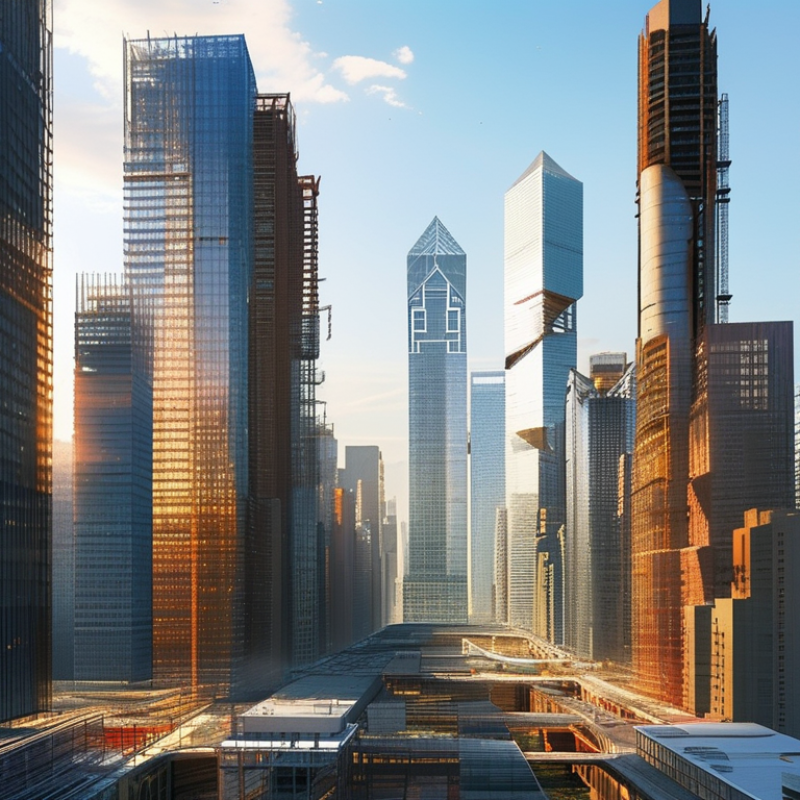
Architectural animation has transformed the way global projects communicate their vision. For instance, a prominent urban development project recently utilized immersive animation techniques. This approach allowed stakeholders to visualize complex design elements in an engaging format. By presenting the project through dynamic animations, the team effectively showcased varying perspectives and potential impacts on the surrounding environment.
In another case, an international cultural center leveraged animation to convey its unique architectural features. The animation highlighted how natural light would interact with the building throughout the day. Such details are often difficult to communicate through static images. However, this project faced challenges with viewer retention and understanding. Some audience members felt overwhelmed by the visual information, signaling a need for better pacing and storytelling.
These examples emphasize the necessity of meticulous planning in the use of architectural animations. Engaging viewers while maintaining clarity remains a critical hurdle. Animation can capture attention, but messages must be concise and focused. Learning from past experiences is essential for refining this evolving medium.