

How to Choose 3D Interior Rendering Services in 2026?
Choosing a 3d Interior Rendering service in 2026 is not just about finding the most polished image. It is about finding a team that can translate plans, materials, and real design decisions into a believable room. Architectural visualizer Peter Guthrie’s work offers a useful reminder: visualization should communicate a design clearly, not simply make it look dramatic. A practical question for any provider is, “Can this image help me judge the space?” Treat that as a selection test, not a quotation from Guthrie.
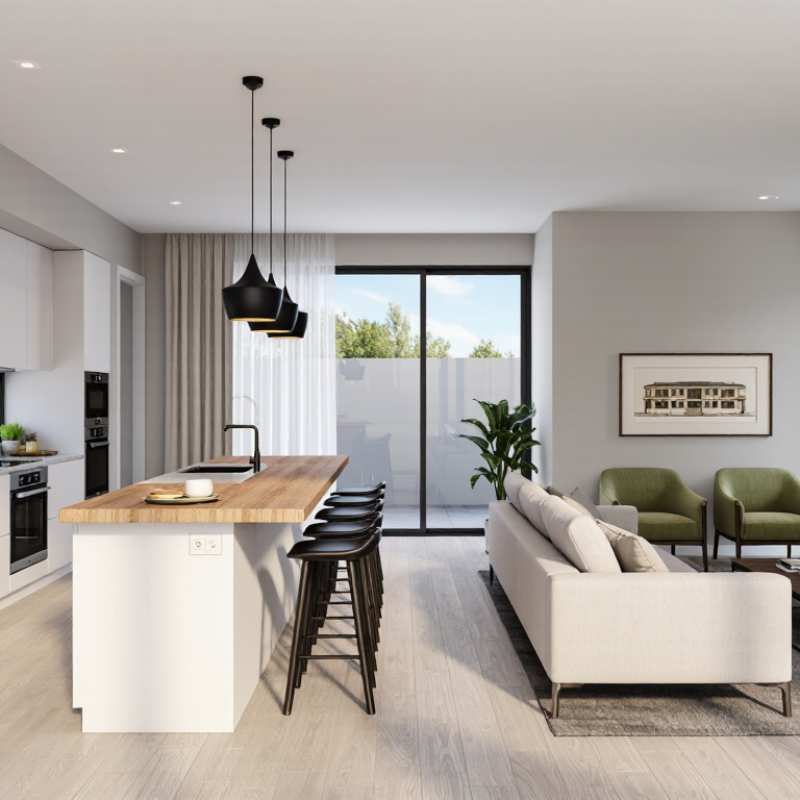
Look closely at the details. Do wood grains match the specified finish? Does daylight fall naturally across the kitchen island? Can the studio show how revisions, file delivery, and approvals work? Ask to see projects similar to yours, including views that reveal less flattering corners. Those often tell you more than a glossy hero image.
Price matters. So do communication, technical skill, and a clear revision process. A low quote may exclude essential changes; a beautiful portfolio may not reflect your project’s style. No checklist removes all uncertainty. But careful questions can expose gaps before work begins. The right partner should explain trade-offs plainly, welcome useful feedback, and make the design easier to evaluate—not merely easier to admire.
Map Rendering Needs to RIBA’s 8 Plan-of-Work Stages
How to Choose 3D Interior Rendering Services in 2026?
Map each rendering brief to the relevant RIBA Plan of Work stage. At Stage 0, early visuals can test broad options, such as daylight, room layout, and material mood. They are exploratory, not final specifications. At Stage 1, share the brief, measured plans, user needs, and budget assumptions with the rendering team. At Stage 2, request views that compare realistic design choices, like oak versus stone flooring. Small details matter.
At Stage 3, coordinated plans should guide camera positions and room geometry. During Stage 4, confirm that finishes, lighting, and built-in elements match the technical design; a polished image can still hide a practical clash. Stage 5 visuals may help explain approved design intent during construction, but they should not replace drawings or site checks.
At Stage 6, clear images can support handover information. At Stage 7, feedback from actual use may reveal what future visuals should test more carefully. Not every stage needs a new render.
Tips: Ask providers for stage-specific samples, revision limits, delivery dates, and file formats. Check how they handle uncertain dimensions and material changes. A quick review against the latest plans can prevent expensive-looking errors. Don’t choose on realism alone.

Define Deliverables Across AIA’s 5 Design Phases
Choose a rendering service by matching its output to each project phase, not by judging one polished image. In schematic design, request simple views that compare layouts, window positions, and daylight. A kitchen perspective can reveal whether an island blocks circulation. Keep materials provisional. Too much detail can make an early idea look settled.
During design development, ask for coordinated views showing selected finishes, lighting, furniture, and key dimensions. Confirm how revisions are priced and how quickly updated images arrive. In construction documents, renderings should support—not replace—drawings and specifications. They can flag visual conflicts, such as a pendant overlapping a cabinet, but they cannot verify every technical requirement. A useful service explains those limits.
Procurement and construction need different support. During procurement, use agreed images to communicate design intent to bidders, while keeping written specifications authoritative. During construction, request targeted updates only when approved changes affect visible spaces. A full re-render may waste time. Check file formats, image ownership, and revision allowances before signing. Also ask who confirms that the model reflects current drawings. Small mismatches happen, even with careful teams. Review them early.
Check BIM Compatibility Against NBS’s 73% Adoption Finding (2023)
How to Choose 3D Interior Rendering Services in 2026?
NBS’s 2023 Digital Construction Report found that 73% of surveyed construction professionals used BIM. That figure signals a common workflow, not a guarantee that every design team shares compatible files. When comparing rendering services, ask how they handle your BIM model before discussing mood boards or camera angles. Can they read your exchange format, preserve room names, and explain what happens to missing textures or altered geometry? A useful answer includes a clear test process.
Check whether the provider can work with IFC files or your project’s agreed format, and request a small sample export. Inspect a familiar space: a doorway, ceiling recess, and material finish should stay in the right place. Ask how revisions return to the design team. A rendered image may look convincing while hiding a broken handoff. BIM compatibility is not just file opening; it includes reliable coordination. I would not treat the 73% figure as proof that BIM is effortless. Survey findings have limits, and project teams still disagree about naming, detail, and model ownership.
Tips: Share a sample model before signing. Confirm software versions, exchange formats, revision limits, and who checks geometry. Ask for one marked-up test view. If the service cannot describe its handoff clearly, pause. The awkward detail now may become an expensive redraw later.
Compare Quotes by Scope, Revision Limits, and Delivery Time
When comparing 3D interior rendering quotes, check what each price actually includes. “One room” can mean a single camera view, not a complete set of angles. Ask whether the fee covers modeling from plans, furniture and lighting, material setup, and final image resolution. Confirm how many rooms and views are included, too. A polished kitchen close-up and a full-room perspective take different amounts of work.
Revision limits deserve a close read. Some quotes include two rounds, but only for small changes such as paint color or cushion placement. Moving a wall, changing cabinetry, or replacing the floor plan may count as new work. Ask for examples of included revisions and the cost of extra rounds. It is easy to overlook this detail. A vague answer can become an awkward surprise later.
Compare delivery dates alongside the scope. Request milestones for the first draft, feedback, and final files, and ask when the clock starts. A five-day promise may assume complete plans, finish samples, and consolidated feedback are ready. Check whether weekends are counted and whether revisions extend the schedule. Keep one shared list of comments; scattered messages can cause missed edits. I would still allow a little breathing room. Even a clear brief can leave a detail unresolved, like the exact sheen of a stone countertop.
Validate Image Quality Against Resolution and Material Benchmarks
How to Choose 3D Interior Rendering Services in 2026?
Validate Image Quality Against Resolution and Material Benchmarks
A polished preview can hide weak detail. Ask for a full-resolution sample, not a compressed portfolio image. Check its pixel dimensions against your intended use: a large print needs more detail than a small web preview. Zoom in on cabinet edges, grout lines, and fabric weave. They should remain clear without looking artificially sharpened. Details matter.
Material quality needs its own review. Request a scene showing several surfaces under the same lighting, such as matte paint, brushed metal, glass, and oak. Look for believable reflections and texture scale. Wood grain should not resemble oversized stripes, and glass should show subtle reflections rather than a flat gray tint. Compare samples with physical references or product specifications when available. A useful provider can explain how materials were calibrated, though one image cannot prove every finish will render perfectly. That limitation is worth discussing.
Tips: Ask for one close crop and one full-room view at the delivery resolution. Check for noisy shadows, blurred textures, and inconsistent reflections. Agree on file size, dimensions, and revision scope before work begins. I would not judge solely by one dramatic angle; ordinary views often reveal flaws.